


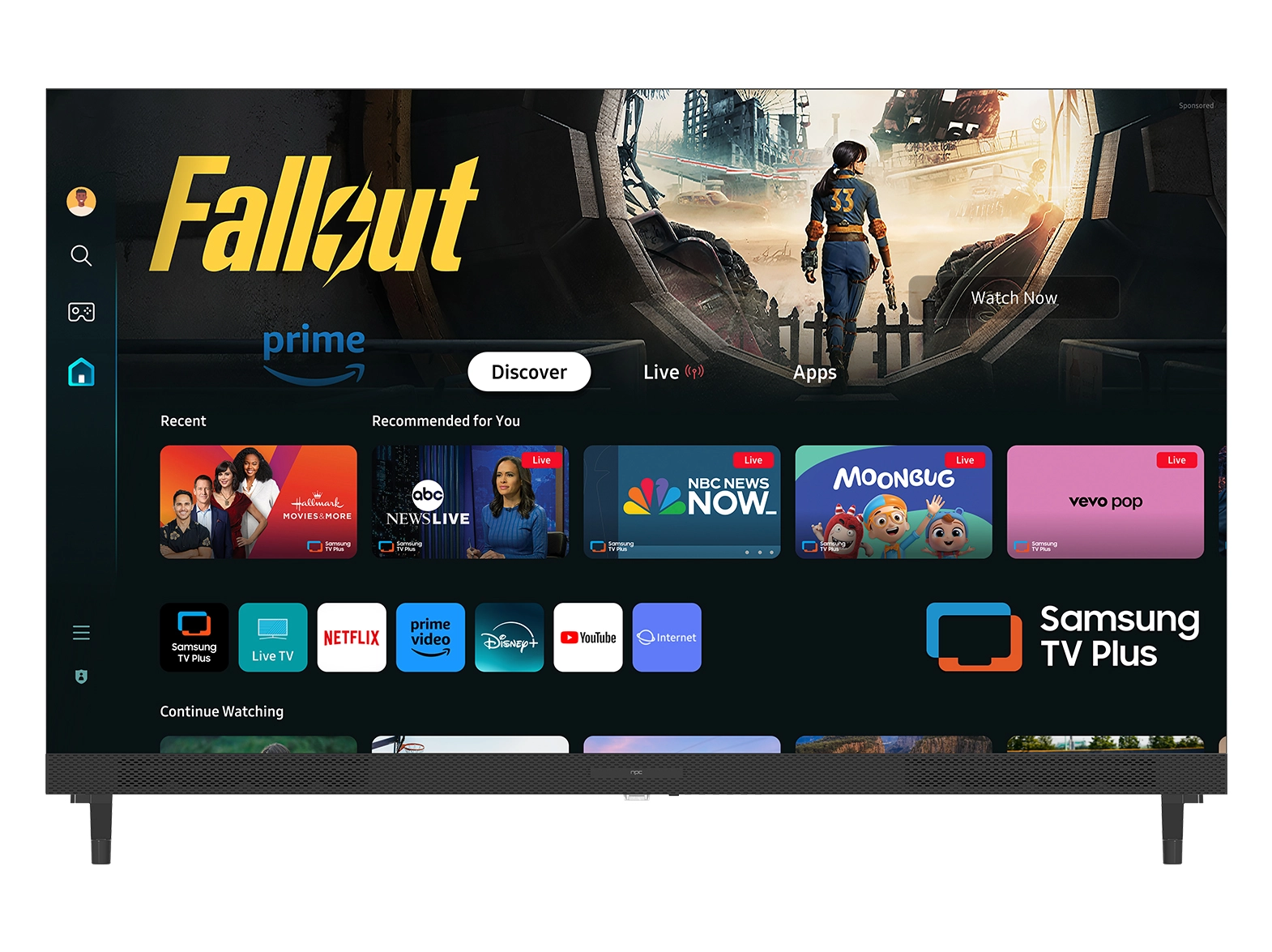


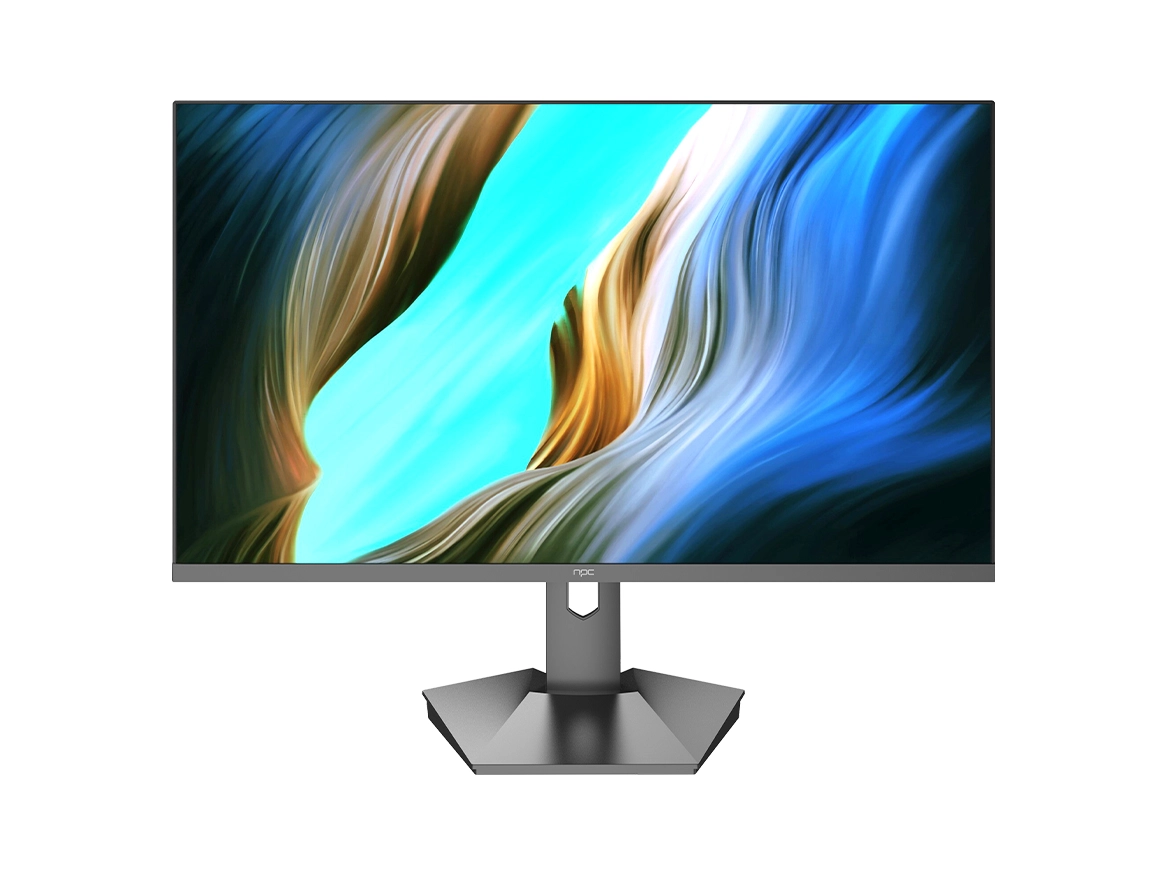


At NPC, we are dedicated to delivering smart TV solutions that enhance everyday entertainment through thoughtful technology and design. Our NPC-32N24 model, a 32 HD smart TV, integrates advanced features such as personalized user profiles with Voice ID and full smart home compatibility via ThinQ AI, Google Assistant, Alexa, Apple HomeKit, and Matter. Understanding how environmental factors, like room lighting, influence TV brightness requirements is essential to optimizing the viewing experience with our products.

The Relationship Between Room Lighting and TV Brightness
Room lighting plays a significant role in determining the optimal brightness level required for a comfortable and clear TV viewing experience. In brightly lit rooms, higher TV brightness is necessary to combat ambient light reflections and maintain image visibility, contrast, and color fidelity. Conversely, in dim or dark rooms, excessive brightness can cause eye strain and wash out details on the screen, leading to a less enjoyable experience.
For any television, especially in common sizes like 32 inches, balancing brightness settings according to room conditions helps deliver a clear image while balancing energy use and viewing comfort. Proper calibration tailored to room lighting helps preserve picture quality and extends the TV’s lifespan by avoiding overdriving its backlight.
Impact of Ambient Light on Viewing Quality
Ambient light affects how the human eye perceives color, contrast, and detail on a TV screen. In high ambient light conditions, reflections and glare on the screen can obscure darker areas, reducing the effective contrast ratio. This makes it difficult to distinguish fine details in shadows or dark scenes, impacting overall picture quality.
On the other hand, in low-light environments, a TV with adjustable brightness and good black level performance is preferred. A 32 HD smart TV with adaptive brightness or local dimming features can automatically optimize screen output to minimize eye fatigue and preserve detail in both bright and dark scenes.
Televisions designed with these considerations in mind allow users to enjoy consistent picture quality regardless of varying lighting conditions. Moreover, smart home integration enables easier control over lighting and TV settings, further enhancing the viewing environment.
Optimizing TV Settings for Different Lighting Conditions
Adjusting TV brightness and contrast settings based on room lighting is crucial for maximizing viewing comfort and image accuracy. In a brightly lit space, increasing the brightness and contrast can help offset ambient light, while in darker rooms, lowering the brightness reduces glare and preserves detail.
The NPC-32N24’s smart platform facilitates these adjustments through user-friendly interfaces and voice commands. Additionally, automatic brightness control, if available, can dynamically adjust the screen output in real time, based on sensor input to ambient light levels.
Viewing angles and screen finish also influence the impact of room lighting. Matte screens and anti-reflective coatings can reduce glare, making the TV more adaptable to various lighting environments. When selecting a 32 HD smart TV, these features should be considered alongside brightness specifications.
Enhancing Viewing Experience Through Environmental Awareness: NPC’s Perspective
At NPC, we understand that the interplay between room lighting and TV brightness is fundamental to delivering an optimal viewing experience. Our NPC-32N24 32 HD smart TV is engineered with features that support adaptive brightness control and smart home integration, allowing users to tailor their entertainment environment efficiently.
By combining advanced display technology with personalized controls such as Voice ID and compatibility with leading AI assistants, NPC empowers users to manage their viewing conditions seamlessly. Whether in a bright living room or a dimmed bedroom, the right balance of brightness and environmental control ensures that our 32 HD smart TV models provide both comfort and picture clarity, meeting the evolving demands of modern entertainment.


