


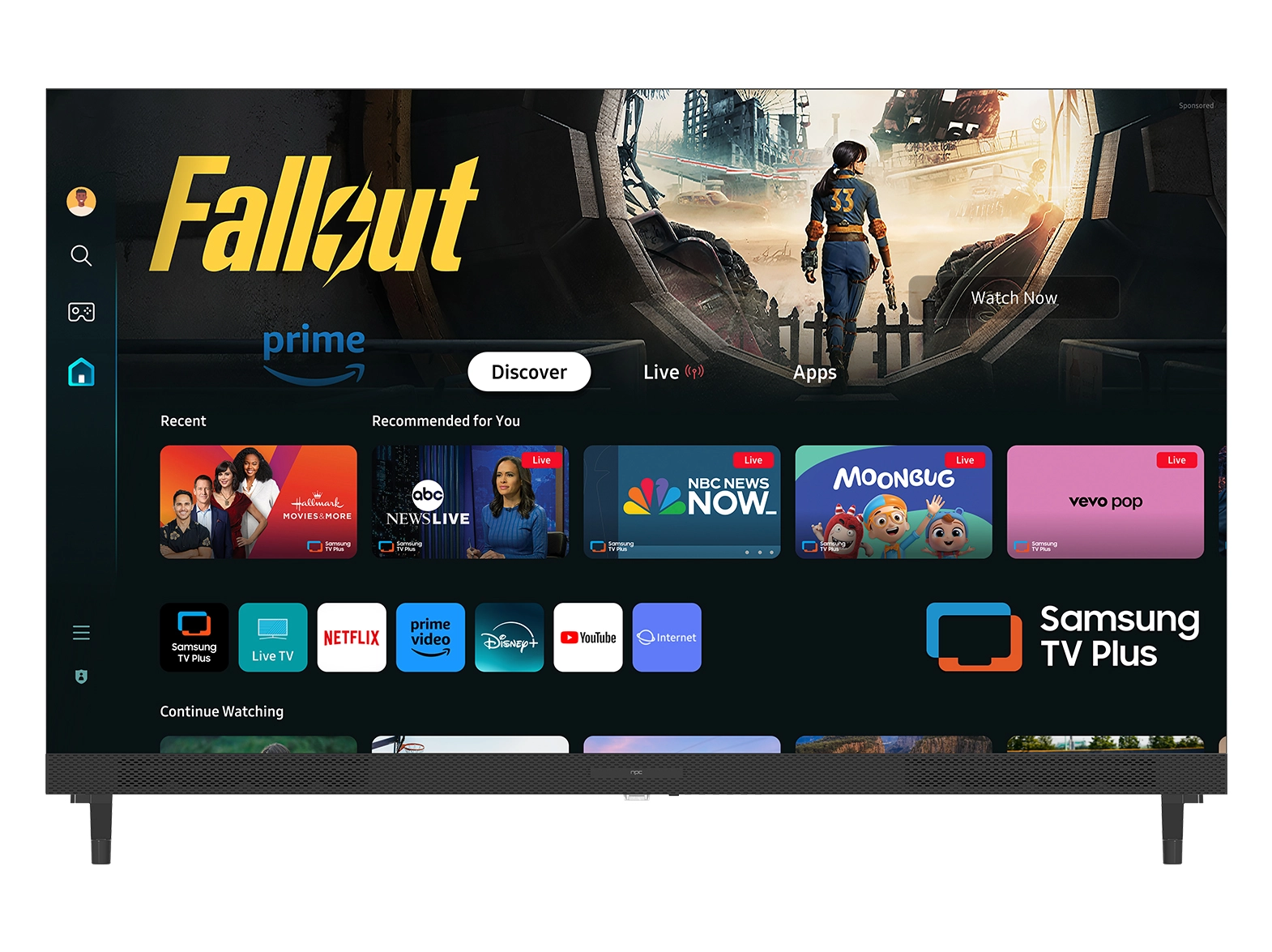


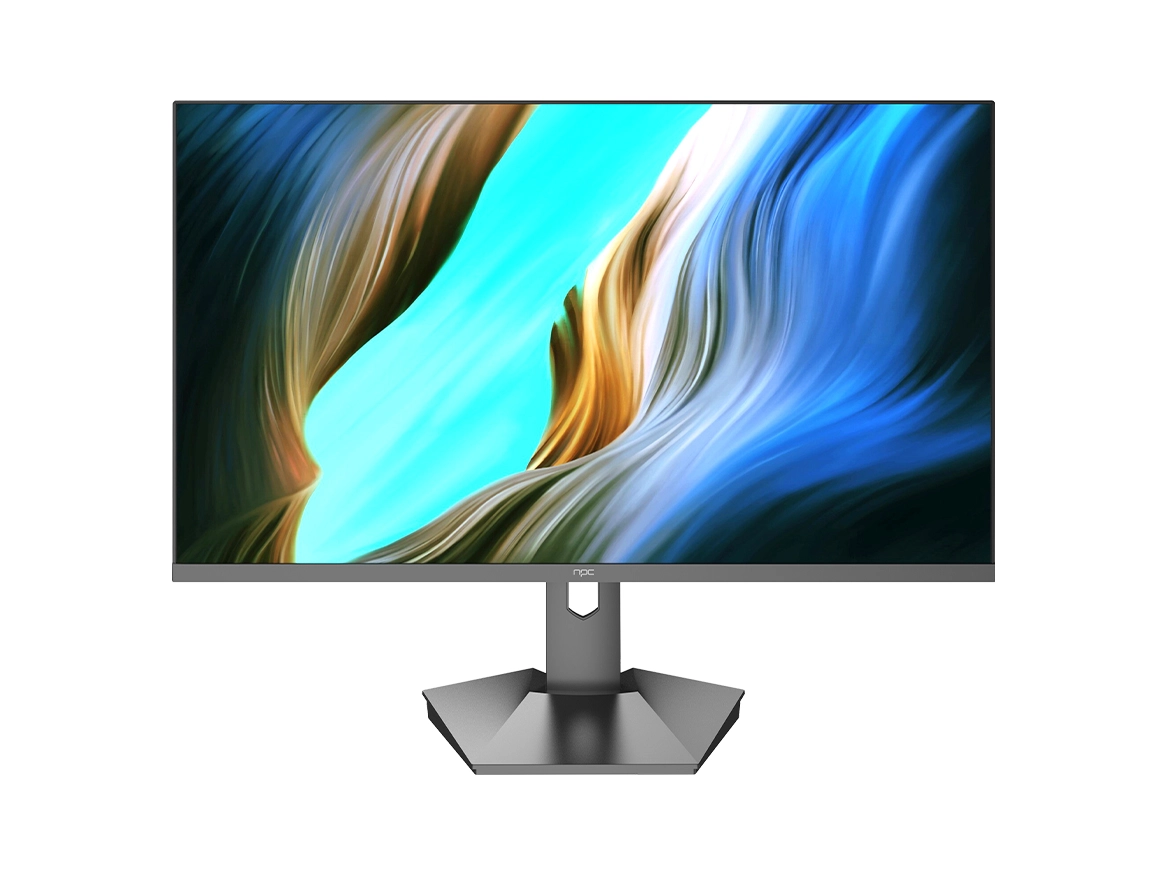


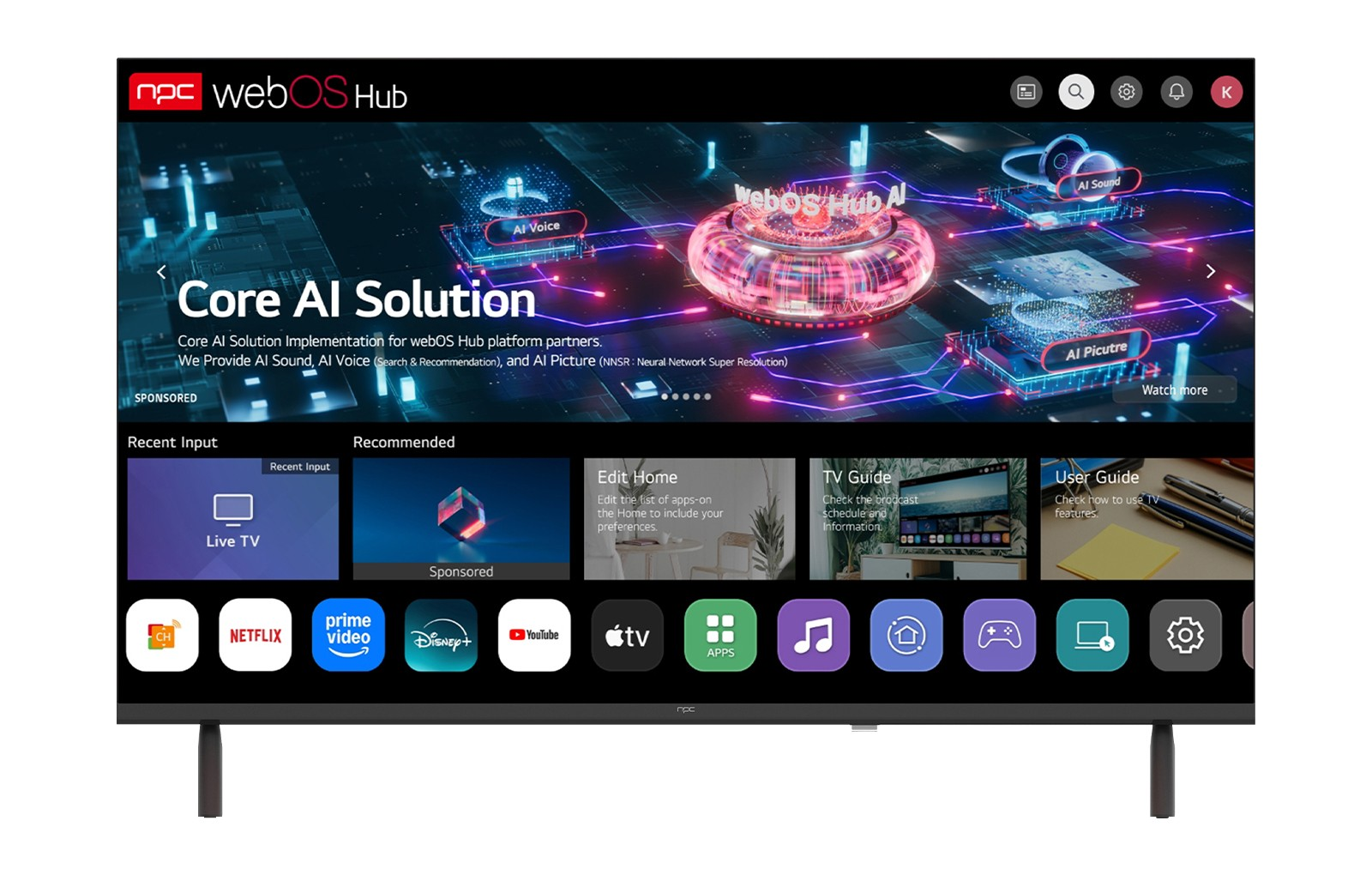
At NPC, we strive to provide high-quality viewing experiences through our range of smart TVs designed to meet various consumer needs. Our NPC-32N24 model, a 32 inch TV smart device, features LG’s webOS platform, which offers seamless access to popular streaming services like Netflix, YouTube, and Prime Video. Understanding the technical aspects behind TV performance, such as contrast ratios, helps us deliver products that combine excellent picture quality with smart functionality for everyday users.
Understanding Contrast Ratio: Static vs Dynamic
Contrast ratio is a critical metric in evaluating display quality. It defines the difference between the darkest black and the brightest white a screen can produce, which directly impacts picture clarity and depth.
Static contrast ratio measures this difference at a fixed point in time, displaying the darkest black and brightest white simultaneously on the screen. This ratio is determined by the panel’s inherent capabilities and does not change during operation. A higher static contrast ratio usually indicates better ability to display deep blacks and vibrant colors in a single frame.
Dynamic contrast ratio, on the other hand, measures contrast by adjusting the backlight or brightness dynamically depending on the content being displayed. This can significantly increase the contrast number since the TV dims the backlight during dark scenes to deepen blacks and brightens it during bright scenes. However, dynamic contrast ratio can vary widely depending on the manufacturer’s implementation and is usually a less reliable indicator of actual picture quality.
Importance of Contrast Ratios in a 32 Inch TV Smart Setup
For users considering a 32 inch TV smart model like NPC-32N24, understanding contrast ratio is vital as it affects the viewing experience in different lighting conditions. Static contrast ratio is often a more consistent measure of a panel’s performance, especially in standard room lighting. It ensures that scenes with both dark and bright elements appear balanced without loss of detail.
Dynamic contrast ratio may enhance viewing in darker environments by boosting perceived contrast, but it can sometimes cause fluctuations in brightness that distract viewers. This can be particularly noticeable during fast-moving scenes or transitions.
In terms of smart TV functionality, a 32 inch TV smart device with a good static contrast ratio will provide a stable and pleasant picture quality that complements the rich content available on modern streaming platforms.
Which Contrast Ratio Should Consumers Prioritize?
When choosing between dynamic and static contrast ratio as a benchmark, consumers should prioritize static contrast ratio for its reliability and consistency. While dynamic contrast ratio numbers may appear impressive, they often reflect artificial enhancements that do not translate into steady picture quality.
A balanced approach involves considering both ratios but focusing on the static contrast ratio alongside other display features such as resolution, color accuracy, and backlight technology. For a 32 inch TV smart device, this approach ensures a well-rounded viewing experience that matches the convenience and content variety offered by integrated smart platforms.
Balancing Picture Quality and Smart Features: NPC’s Approach
At NPC, we recognize that picture quality metrics like contrast ratio are fundamental to delivering a satisfying entertainment experience. Our NPC-32N24 32 inch TV smart model leverages LG’s webOS platform for seamless access to a wide range of streaming services, while maintaining a reliable static contrast ratio to ensure image clarity and depth.
By combining dependable display technology with smart functionality, NPC provides users with a device that supports both visual excellence and versatile content access. Whether streaming movies or browsing apps, our 32 inch TV smart solutions are designed to meet modern viewing demands without compromising on picture quality or usability.


