





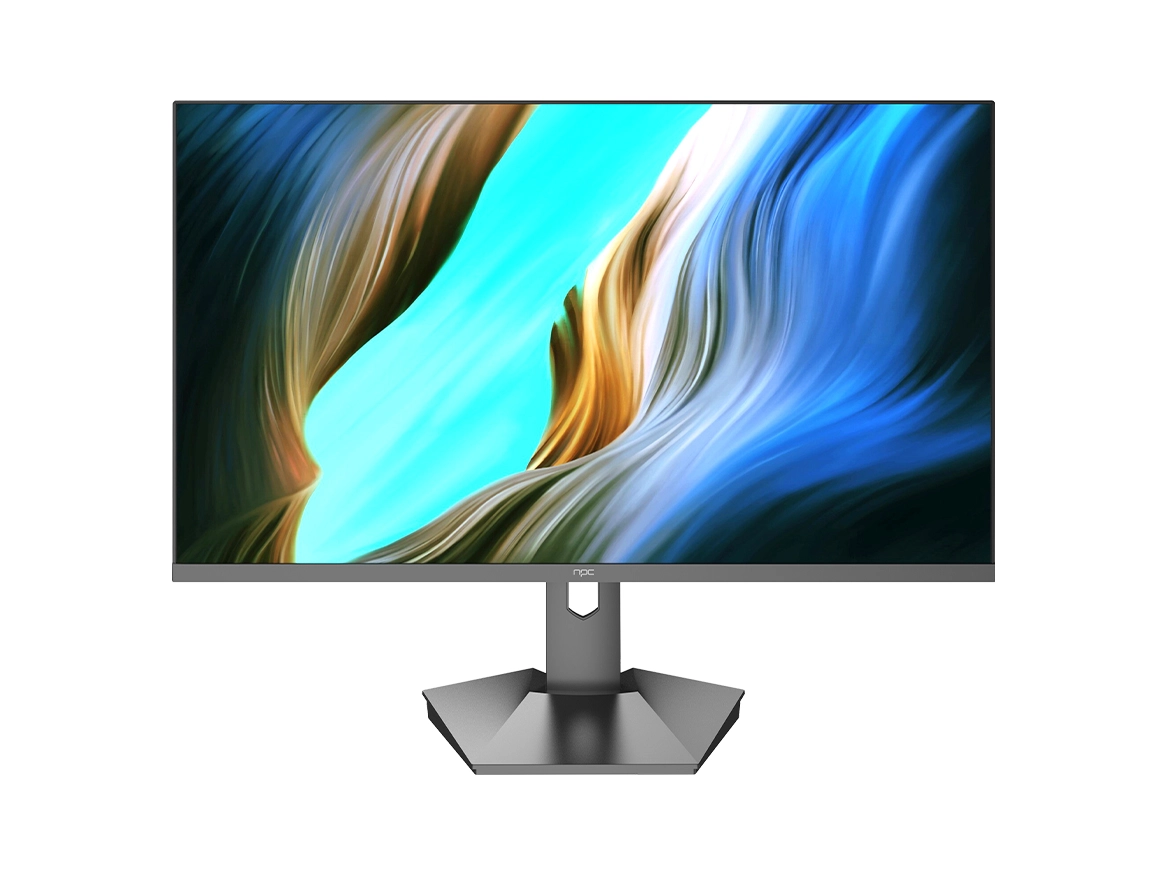


In the world of digital media production, achieving accurate and vibrant colors is a fundamental goal for creating visually compelling content. Color grading plays a vital role in this process, and one of the key tools used to enhance color accuracy is the 3D Lookup Table, commonly known as 3D LUT.

Understanding 3D LUTs
A 3D LUT is a predefined transformation table that transforms color values in an image. Unlike 1D LUTs, which only adjust brightness and contrast, 3D LUTs manipulate colors in a three-dimensional space. This allows for more complex color corrections and effects, enabling creators to achieve specific color palettes or emulate the look of different film stocks. By creating a grid that maps source colors to target colors, 3D LUTs facilitate precise adjustments that are essential for professional color grading.
These LUTs are especially beneficial during post-production as they offer a way to ensure that colors remain consistent across various devices. This consistency is particularly important when working with professional monitors that are used in color-critical environments. By utilizing 3D LUTs, colorists can confidently match outputs from different professional monitors, ensuring the final product appears as intended, regardless of the viewing context.
Enhancing Workflow in Color Grading
The integration of 3D LUTs into the color grading workflow can significantly enhance a professional's efficiency. Colorists often apply these LUTs as a first step in their grading process, allowing them to establish a base look quickly. This preliminary adjustment simplifies the subsequent grading adjustments needed to refine the image. Furthermore, the use of 3D LUTs promotes collaboration among team members by standardizing color references, facilitating clearer communication about the desired aesthetic.
For professionals who use high-quality displays, such as the NPC 27-inch Ultra HD professional monitor, the application of 3D LUTs becomes even more effective. These monitors are designed to accurately represent color spaces, such as sRGB and DCI-P3, enabling colorists to visualize adjustments in real-time. Thus, 3D LUTs not only streamline workflows but also enhance the overall precision of the grading process.
Benefits of Using Professional Monitors in Color Grading
When color grading, the choice of equipment can significantly impact the outcomes. Professional monitors, such as the NPC MU2707-K, are specially designed to support a wide color gamut and optimal resolution for color-critical tasks. With a maximum refresh rate of 100Hz and support for HDR10, these monitors ensure that colorists get the most accurate representation of their work.
Using suitably calibrated professional monitors in conjunction with 3D LUTs allows for a more reliable grading process. As colors are adjusted, professional monitors ensure that any changes can be monitored and refined immediately. This synergy between 3D LUTs and high-quality displays ultimately leads to a final output that is both visually stunning and true to the creator's vision.
Achieving Excellence in Color Grading
In summary, the implementation of 3D LUTs provides substantial benefits in professional color grading workflows. By allowing for complex color transformations and maintaining consistency across various displays, these tools enhance both the efficiency and quality of post-production work. Coupled with professional monitors like the NPC MU2707-K, colorists can achieve their desired visual aesthetics with a high degree of accuracy.
As professionals navigate the demands of modern content creation, leveraging the power of 3D LUTs and high-quality displays is essential for producing exceptional visual narratives. NPC is committed to providing top-tier monitors and support to help colorists maximize their creative potential, ensuring that colors are rendered accurately and beautifully across all media.


