






In the rapidly evolving landscape of gaming technology, Variable Refresh Rate (VRR) has emerged as a significant technological improvement, offering gamers a seamless and more immersive experience. This article explores VRR gaming, emphasizing how it enhances gameplay by reducing latency and screen tearing without necessitating the latest hardware upgrades.
Understanding VRR Technology
Variable Refresh Rate (VRR) is a display technology that synchronizes the refresh rate of your wide gaming monitor with the frame rate generated by your graphics card. This synchronization is vital as it addresses common issues like screen tearing, stuttering, and input lag, which can disrupt gameplay. By ensuring that frames are delivered to the display in harmony with the monitor’s refresh rate, VRR creates a fluid and uninterrupted gaming experience.
VRR is compatible with various devices and gaming setups, including consoles and PCs. Implementations such as AMD FreeSync and NVIDIA G-SYNC are two popular standards that support VRR functionality, making it accessible to a broad range of gamers. Console gamers, especially those using the latest generation systems, can significantly benefit from VRR's capabilities, enhancing their overall gameplay experience without the need for frequent hardware upgrades.
Advantages of Adopting VRR
One of the primary benefits of VRR gaming is its ability to provide smoother motion. Traditional gaming setups often experience discrepancies between frame rates and refresh rates, leading to feelings of frustration when gaming. With VRR, gamers can enjoy enhanced visual fluidity, allowing them to focus on gameplay rather than being distracted by graphical issues.
Moreover, VRR extends the life of existing gaming equipment. Instead of feeling pressured to buy buy gaming monitor upgrades frequently, gamers can maximize their current setups. This means they can stretch their investment while still experiencing high-quality gameplay. The technology offers a cost-effective pathway to improve gaming experiences without the financial burden of upgrading to the latest models or pieces of equipment.
Selecting the Right Gaming Monitor for VRR
When considering incorporating VRR gaming into your experience, buying the right gaming monitor is crucial. Key specifications to look for include refresh rate, response time, and compatibility with VRR technology. For instance, a monitor that supports at least 144Hz refresh rates is ideal for smooth gameplay and should ideally have a response time of 1ms to minimize latency.
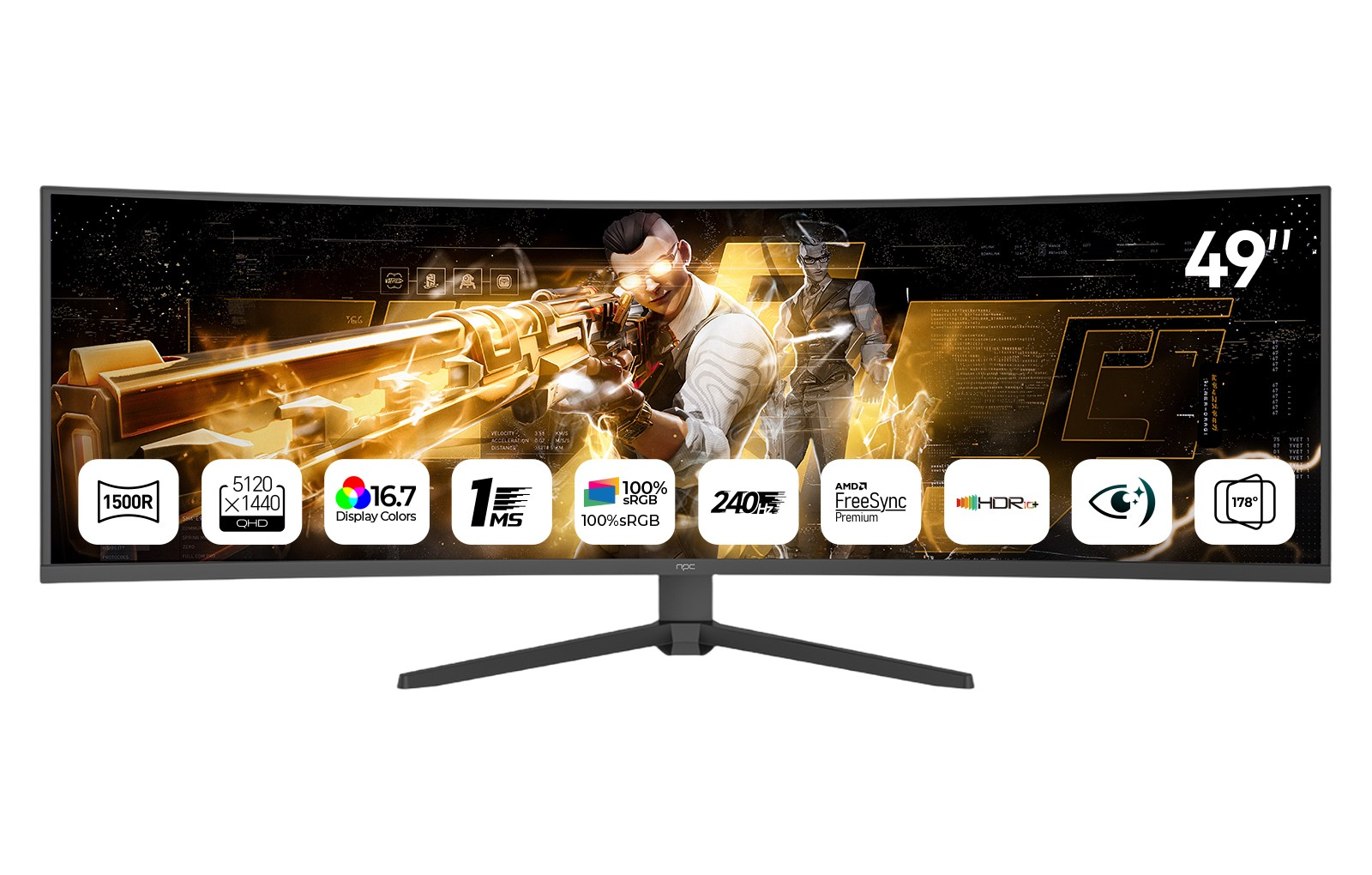
Choosing models that boast adaptive sync technology, such as the NPC-MU4986B-11, is beneficial. This 49-inch curved gaming monitor features an ultra-high definition VA panel, impressive refresh rates of 165Hz/240Hz, and supports HDR10. These features enhance the overall gaming experience, ensuring users can enjoy the full benefits of VRR technology without compromising on visual fidelity. Additionally, its adjustable tilt angle and comprehensive interface options, including VGA and HDMI, make it a versatile choice for any gamer looking to upgrade without overhauling their entire setup.
Elevate Your Gaming Experience with Advanced Technology
In summary, VRR gaming represents a substantial improvement in how gameplay can be experienced, allowing for smoother and more engaging sessions without the constant need for upgrades. By understanding the fundamentals of VRR, recognizing the advantages it brings, and selecting the right gaming monitor, gamers can achieve a noticeably smoother and more responsive gaming experience.
At NPC, we offer products like the NPC-MU4986B-11, designed to maximize your gaming potential and enhance every moment spent in virtual realms. Investing in VRR-compatible equipment is a step towards a smoother, more enjoyable gaming future.


