






In today's connected world, a stable internet connection is essential for smooth and responsive gaming experiences, especially for households with multiple gamers. Understanding the necessary internet speed for two people to game seamlessly can prevent issues such as lag and disconnections, which can significantly impact gameplay. This article aims to provide clarity on internet speed requirements, ensuring that both gamers can enjoy their high-performance gaming monitor setups without compromise.
Understanding Internet Speed Requirements
Internet speed is typically measured in megabits per second (Mbps), and this measurement is crucial for online gaming. Different games have varying bandwidth requirements, but generally, online gaming does not demand extremely high speeds. For most gaming titles, a minimum of 3 Mbps per player is considered adequate, while a speed of 10 Mbps or more per person is recommended for a smooth experience.
For two people gaming simultaneously, a combined speed of 10 Mbps to 20 Mbps is ideal, ensuring that both players have enough bandwidth for downloads, uploads, and voice chat without hindering performance. The type of game also plays a role—first-person shooters or action games might require more bandwidth compared to strategy or casual games.
The Impact of Other Online Activities
When evaluating how much internet speed is necessary for gaming, it’s important to consider other simultaneous internet activities. Streaming services, video calls, or downloads can complicate bandwidth usage. For instance, if one player is gaming while another watches videos in high definition, the bandwidth might be stretched thin.
In households with multiple devices connected, upgrading the internet speed to accommodate everyone's needs is prudent. For two gamers sharing the same connection, aiming for at least 25-50 Mbps can provide a buffer against bandwidth congestion, ensuring that gaming experiences on big gaming monitors are uninterrupted.
Choosing the Right Internet Plan
Selecting the right internet plan is crucial for gamers. Many internet service providers (ISPs) offer plans with varying speeds, and understanding your household's gaming needs helps in making an informed choice. A plan that guarantees sufficient downstream and upstream speeds is critical for online multiplayer games, where both latency and bandwidth impact performance.
In addition to speed, a stable connection is necessary. Fiber optic internet is often preferred by gamers primarily for its potential to deliver lower latency and more consistent speeds, especially for uploads, compared to many DSL and some cable implementations. When when comparing plans from different ISPs, be sure to inquire about latency rates alongside the advertised speeds to ensure optimal performance during gameplay.
Achieving Optimal Gaming Setup
To maximize the gaming experience for two individuals, combining sufficient internet speed with high-quality hardware is essential. Each player should consider investing in a big gaming monitor that can handle their gaming preferences, ensuring that the visual experience matches their internet capabilities.
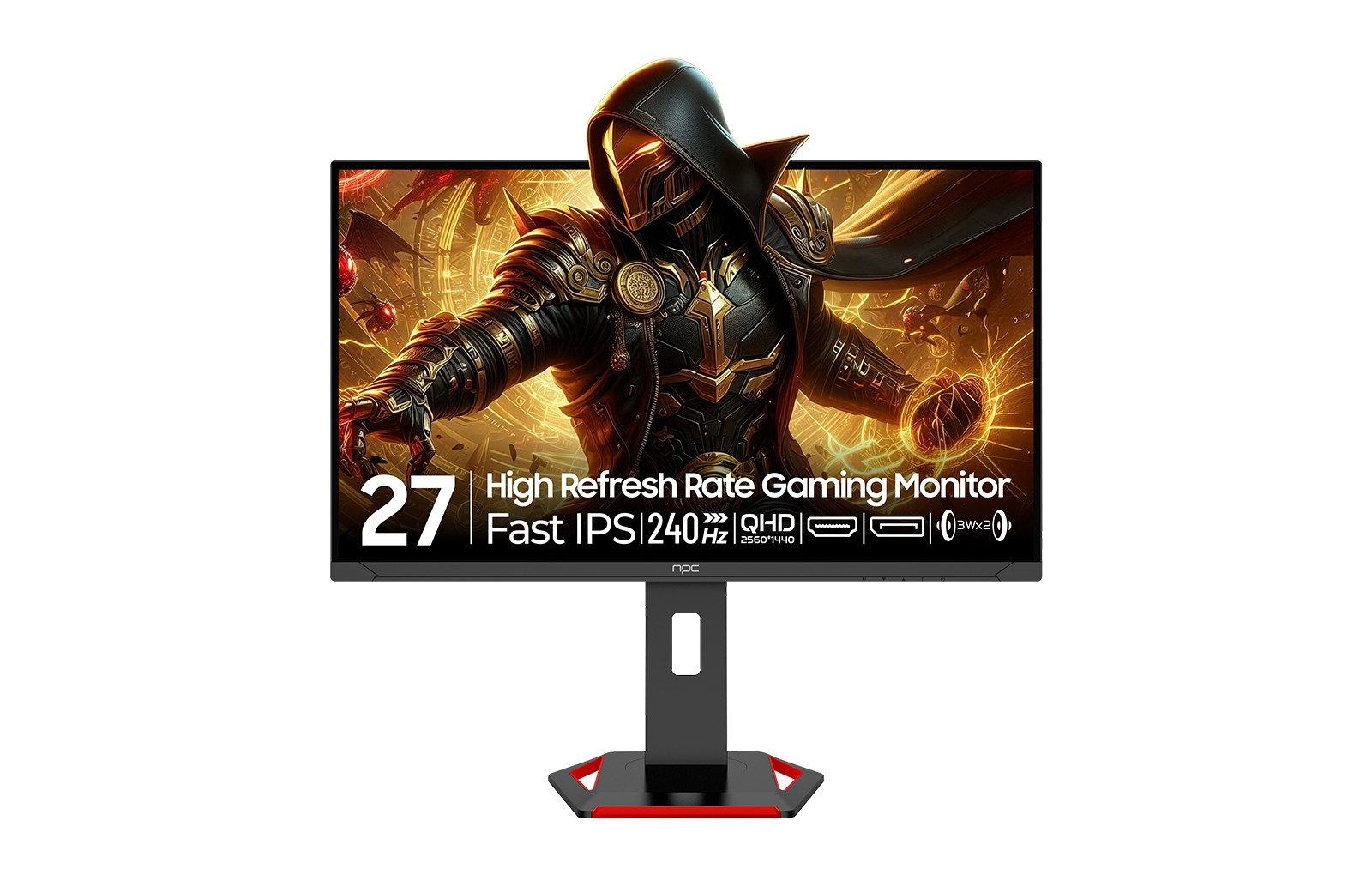
The NPC MZ2733-K8 gaming monitor, for instance, offers a QHD resolution with a refresh rate of up to 240Hz, making it an excellent fit for those who take their gaming seriously. This level of display performance ensures that the visual fluidity matches the responsiveness gained from a stable, low-latency internet connection.
In a household where two people are gaming, ensuring at least 25 Mbps of shared internet speed can significantly improve the experience. With the right setup and considerations, both players can enjoy their big gaming monitors and engage in competitive or cooperative gameplay without technical hindrances.
As gaming continues to evolve, so will the demands placed on our internet connections. Choosing the appropriate speed, alongside quality gaming hardware like the NPC MZ2733-K8, is central to fostering an enjoyable gaming environment for everyone involved.


