


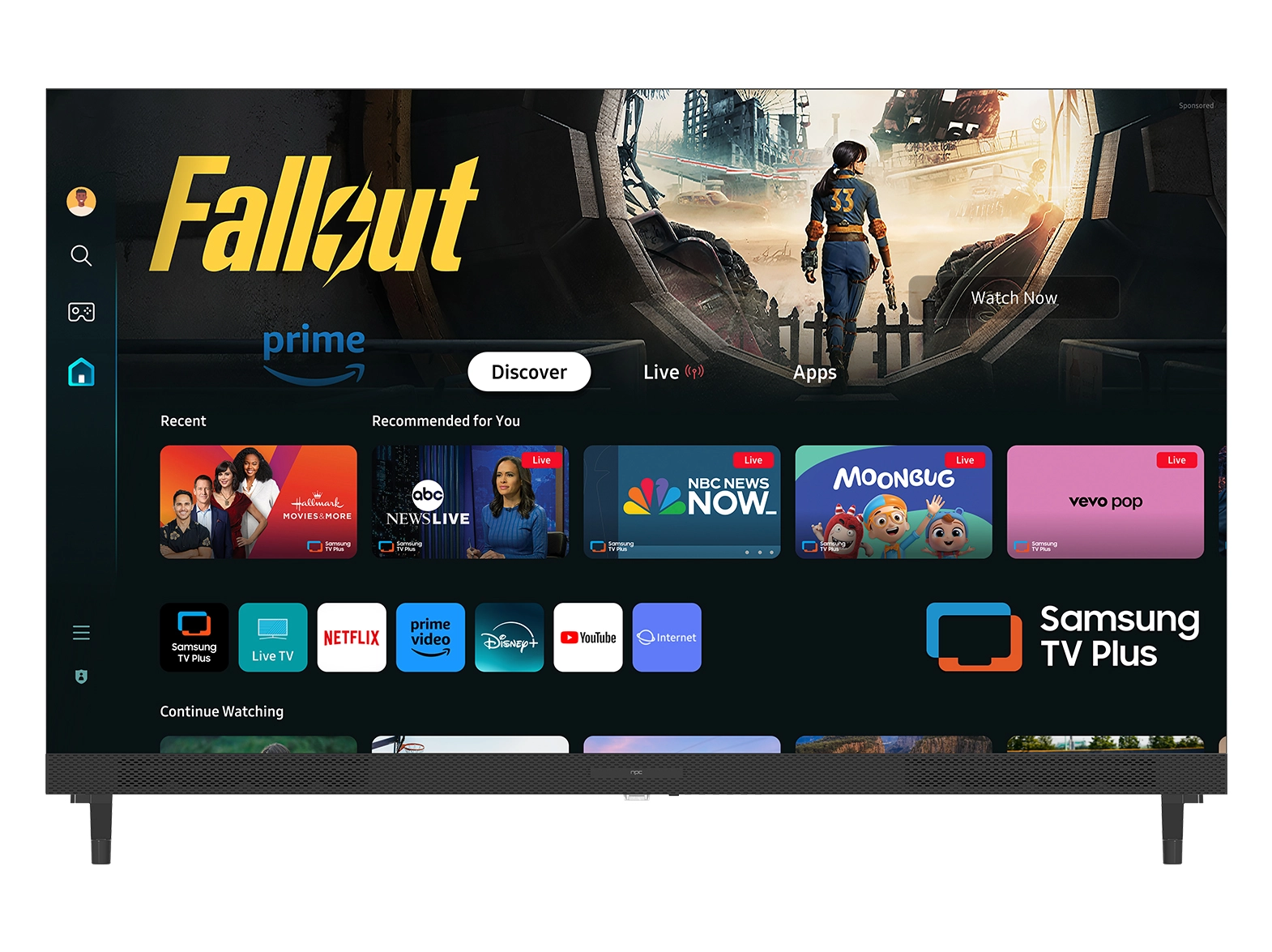




The streaming ecosystem has exploded. Where once there was a single dominant platform, consumers now navigate a landscape featuring giants like Netflix, Disney+, and HBO Max (now simply Max). Each service promises an expansive library of exclusive, high-quality content—but their technical requirements are anything but uniform.
For the modern viewer, the key to unlocking this content jungle lies not just in the subscription, but in the capability of the display hardware itself. Your Smart TV acts as the universal translator, responsible for converting diverse streaming signals into the vivid picture and immersive sound you expect. It is a demanding task that requires powerful processing, robust connectivity, and mastery over a complex array of codecs and formats.
This guide explores the technical demands of the streaming wars and details exactly what a modern, capable Smart TV platform must achieve to deliver a seamless viewing experience across all your favorite services.
The Three Pillars of Streaming Quality: Resolution, Color, and Sound
While all major streaming platforms are now battling for supremacy in content originality, their fundamental technical differences—especially around Ultra High Definition (UHD) and High Dynamic Range (HDR) standards—determine the heavy lifting your TV must perform.
1. Resolution: The 4K Standard
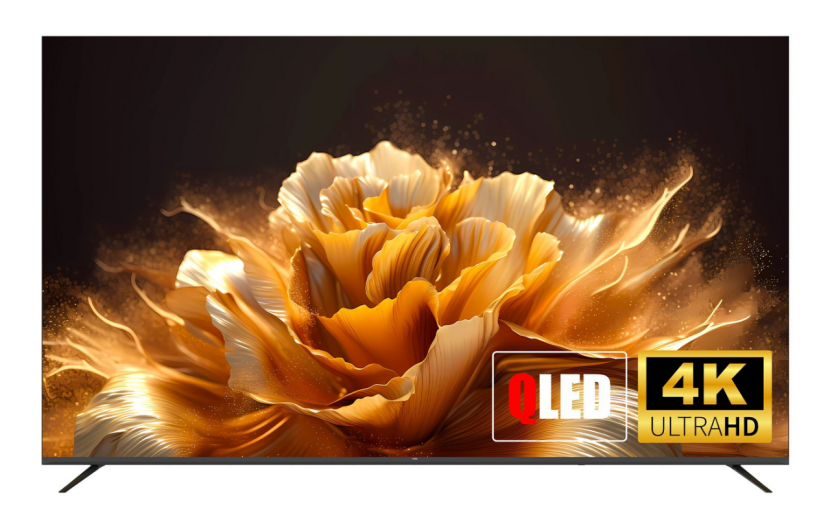
To watch true 4K content, your Smart TV must support a native resolution of 3840x2160 pixels. This is standard for premium tiers across Netflix, Disney+, and Max. Crucially, the TV’s hardware must be able to maintain this resolution even while simultaneously processing complex visual effects, a high refresh rate (often 60Hz for video content), and high-fidelity color data. If the TV is only 1080p, the stream will be automatically limited, no matter how fast your internet connection is.
2. Color and Contrast: The HDR Gauntlet
HDR technology is arguably more transformative than the jump from HD to 4K resolution. It allows for a far greater difference between the darkest blacks and brightest whites, providing more lifelike images. However, streaming platforms do not universally adopt a single HDR standard:
l Netflix, Disney+, and Max all widely support HDR10, the open standard that provides static metadata (data for the whole program).
l Dolby Vision is the premium, proprietary standard supported by all three platforms for select titles. Dolby Vision utilizes dynamic metadata, meaning the brightness and color data can change scene-by-scene or even frame-by-frame, requiring significant processing power from the TV's chipset.
l Some platforms, like Amazon Prime Video, utilize HDR10+, which is another dynamic metadata format. A truly versatile Smart TV must support the broadest combination of these formats to ensure the viewer always gets the best possible picture quality.
3. Audio Immersion: Dolby Digital and Beyond
The audio experience is also highly segmented. Most major services use some form of Dolby Digital or Dolby Digital Plus for surround sound. For true immersion, particularly with high-end soundbars or home theater systems, the TV must support high-bandwidth protocols like eARC (Enhanced Audio Return Channel) to transmit lossless audio formats, such as Dolby Atmos, from the app running on the Smart TV to an external receiver.
The True Test of a 4K WebOS Smart TV: Codec Mastery
The foundational compatibility of a Smart TV rests on its ability to decode the compressed data streams efficiently. This is where the operating system (OS) and the TV’s core hardware truly prove their worth. For a seamless experience across Netflix, Disney+, and Max, the platform must handle a diverse list of video and audio compression standards.
A cutting-edge platform, such as a 4K webOS smart TV, is perfectly positioned to manage these demands. The webOS system is designed for quick navigation and powerful multimedia decoding. The specific hardware requirements for handling modern streaming include:
Requirement | Description | Impact on Streaming |
HEVC/H.265 | High-Efficiency Video Coding. Essential for efficient 4K video transmission. | Used by virtually all major services for high-resolution content to minimize file size. |
VP9/AV1 | Codecs developed by Google and others. | VP9 is widely used by YouTube (and often supported by Netflix); AV1 is the next-generation codec for ultimate efficiency. |
HDCP 2.2 | High-bandwidth Digital Content Protection. | A mandatory copyright protection protocol required by all platforms (Netflix, Disney+, Max) to stream premium 4K content over HDMI or internally. Without it, the picture quality defaults to HD (1080p). |
DDR/Flash Memory | Internal memory capacity. | Adequate DDR (RAM) is needed for smooth app switching and buffering the large data streams required for 4K HDR video. |
The integration of a smart OS like webOS simplifies this entire process. It ensures the necessary application programming interfaces (APIs) and codecs are pre-certified and constantly updated to meet the ever-changing encryption and playback standards dictated by major content providers. This certification process is non-negotiable for high-quality streaming; a TV that isn't certified cannot access the highest 4K tiers.
Beyond the Pixels: Performance and Platform
A truly exceptional viewing experience requires speed and connectivity as much as image quality.
For a smooth transition between apps and uninterrupted playback, the Smart TV needs powerful internal hardware. Consider the standard specifications of a robust UHD platform:
l CPU: A high-performance quad-core or multi-core CPU (such as A75*2 + A55*2 architectures) to manage system processes.
l GPU: A dedicated GPU (like IMG BXE4 or similar) is necessary to render the user interface and handle complex video decoding algorithms.
l Connectivity: Dual-band Wi-Fi (IEEE 802.11 b/g/n/AC 2.4G/5G) ensures a stable connection capable of the required 25 Mbps minimum throughput needed for streaming 4K content, avoiding buffering issues.
A capable Smart TV also offers seamless smart home and device integration through features like Apple HomeKit and Apple AirPlay. These features ensure that whether you stream natively through the app or mirror content from your phone, the experience is fast, reliable, and integrated into your digital lifestyle.
By carefully integrating powerful hardware with a user-friendly, certified operating system, a modern display is transformed from a passive screen into an active, intelligent hub capable of effortlessly handling the diverse and demanding technical specifications of every major streaming platform.
Unlocking the Future of Entertainment with NPC WebOS Hub
Understanding the complexity behind streaming reveals why the choice of television manufacturer and platform is critical. This is the guiding principle behind NPC.
NPC is a dedicated technology manufacturing company established in 2005, focusing on providing high-quality, high-performance, and affordable display products for the global market. With core business lines in Smart TVs and Monitors, NPC has built a reputation on reliable manufacturing and rapid technological adoption.
To meet the demanding requirements of global streaming services and the consumer desire for certified, seamless 4K entertainment, NPC offers the WebOS Hub solution. This platform utilizes the renowned LG webOS TV operating system, ensuring instant compatibility with apps like Netflix, Disney+, and Prime Video right out of the box.
The NPC WebOS Hub solution is built around core specifications designed for peak streaming performance:
l Native 4K Resolution: 3840x2160 UHD panels with high contrast ratios (e.g., 1200:1 typical).
l Certified HDR/Audio Support: Comprehensive support for HDR/HLG and Dolby Digital Plus to deliver the most vivid picture and immersive sound.
l Full Connectivity: Integrated 5G WiFi and multiple HDMI ports supporting 4K@60Hz to handle external devices and high-speed data transmission.
l Smart Ecosystem: Features like ThinQ AI, Apple AirPlay, and Apple HomeKit integration provide a modern, connected user experience.
Whether you are a global brand looking for reliable OEM/ODM display solutions or a consumer seeking a certified, feature-rich 4k webOS smart TV, NPC provides the core technology to deliver a superior, frustration-free streaming experience across Netflix, Disney+, Max, and beyond.


