






The digital landscape is constantly converging. The lines between a traditional computer monitor, a television, and a media streaming hub have blurred with the emergence of the smart monitor. These all-in-one displays promise to simplify the modern desktop, offering connectivity and content streaming without the need to power up a dedicated PC.
For users who prioritize media consumption, the critical question is whether a smart monitor can truly replace a dedicated streaming device—such as a streaming stick, box, or media console—in terms of performance, speed, and fidelity.
This article provides a technical comparison, dissecting the integrated hardware and software of a modern smart display, like the solutions offered by NPC, against the focused processing power of streaming peripherals.

The Smart Monitor: Convergence and Efficiency
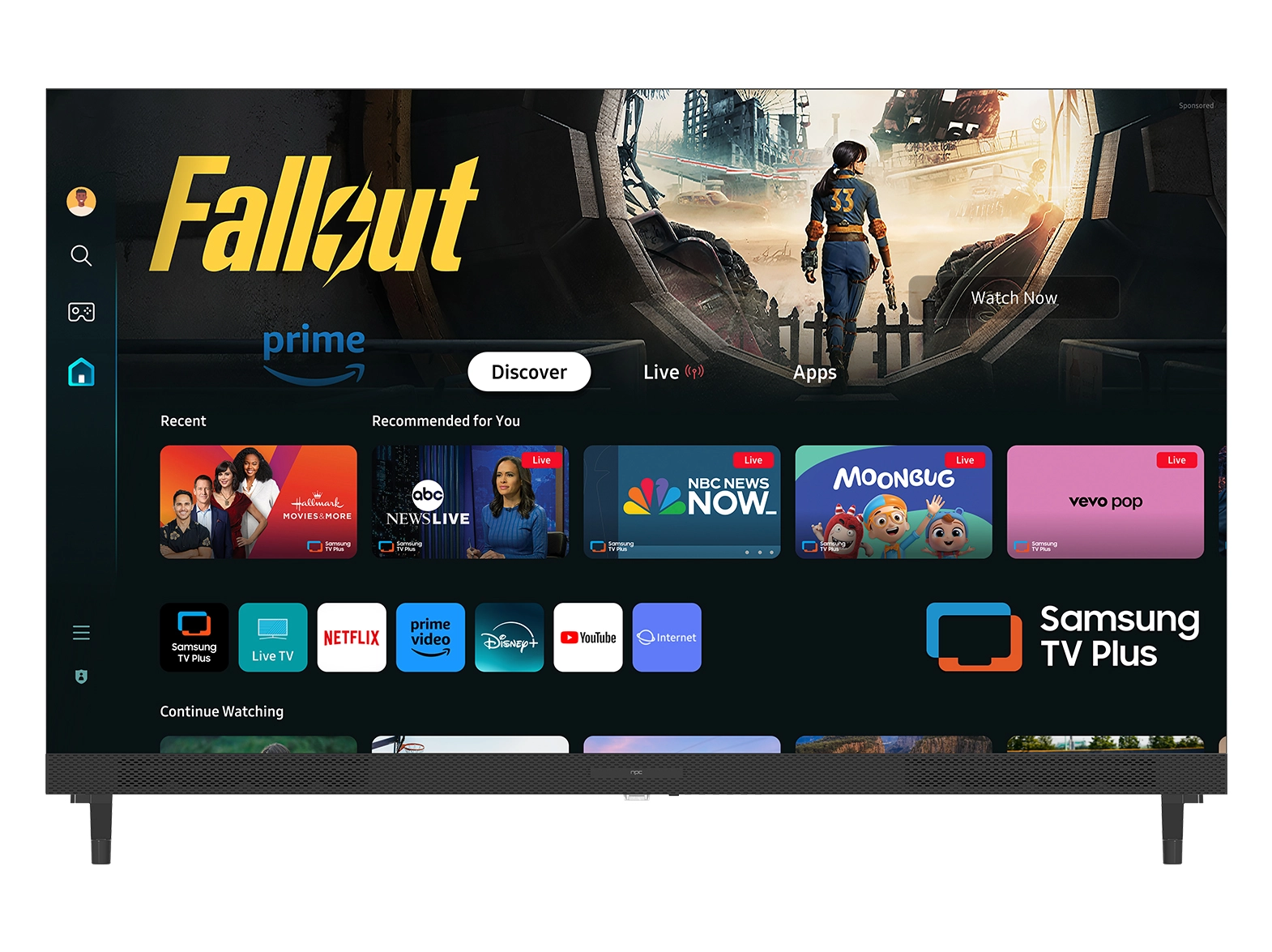
A smart monitor is fundamentally different from a standard display. It integrates two key components: a high-resolution display panel and a dedicated System-on-a-Chip (SoC) running a full smart TV operating system. This is the core reason they are often referred to as a smart TV and monitor combo.
The primary advantages of this convergence are unparalleled integration and a streamlined experience.
Key Advantages of Smart Monitor Performance:
l Immediate Access: Content apps (Netflix, YouTube, Prime Video) are run natively on the monitor's OS (such as the LG webOS Hub used in the NPC Smart Monitor series). This allows users to jump straight into entertainment without booting a PC, maximizing convenience.
l Multitasking Hub: Beyond streaming, smart monitors incorporate features that dedicated devices lack, such as Remote PC access, mobile device screen sharing, and even Cloud Gaming functionality. These capabilities position the monitor as a versatile work and play hub.
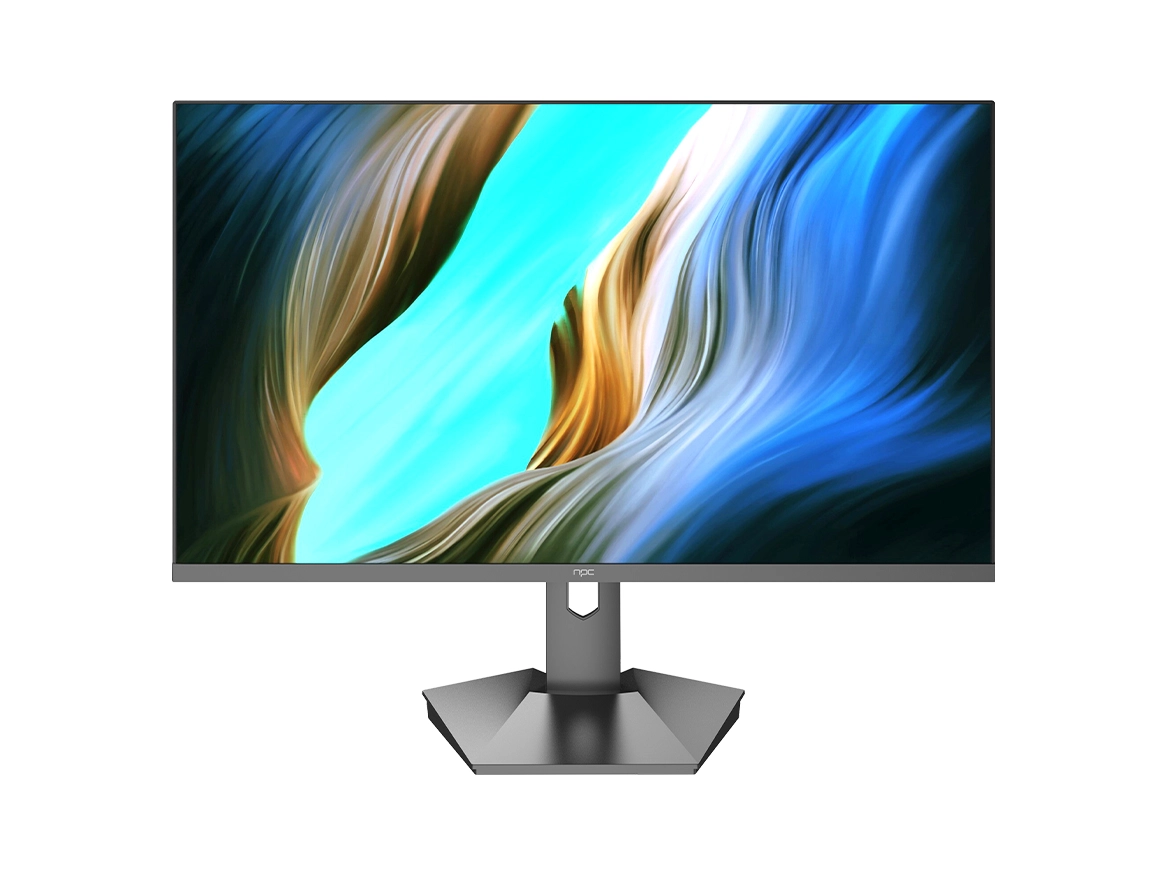
l High-Quality Display Panel: Unlike a dedicated streaming stick plugged into an older TV, the smart monitor guarantees a high-quality display experience, often featuring IPS panels, high contrast ratios, and wide color gamuts. For example, the NPC-MF2712-K 27-inch Smart Monitor features an IPS panel, 120Hz refresh rate, and 86% NTSC wide color gamut—specifications that rival dedicated professional displays.
While dedicated streaming boxes have powerful processors, they rely entirely on the display they are plugged into. A smart monitor, conversely, is an integrated system where the OS, processor, and display panel are specifically tuned to work together for optimized performance.
Operating System Showdown: Integration vs. Focus
The performance of any streaming platform rests heavily on its operating system. Dedicated devices typically run focused, lightweight operating systems (like Roku OS or modified Android TV) that are ruthlessly optimized for media delivery.
Smart monitors, particularly those powered by platforms like LG webOS Hub, are designed for broader functionality.
Feature | Smart Monitor (e.g., NPC webOS) | Dedicated Streaming Device (e.g., Stick/Box) |
Primary Function | Work, Streaming, Cloud Gaming, PC Display | Media Consumption, Apps |
App Library | Comprehensive; authorized streaming, utility, and cloud gaming apps. | Excellent; focused purely on video streaming and entertainment apps. |
Interface Speed | Excellent, but may be slightly slower than a high-end box due to multitasking features. | Usually instantaneous, as resources are narrowly focused on the media interface. |
Updates | Regular firmware updates for both display features and OS security. | Frequent, often automatic updates focused on app and platform compatibility. |
Where dedicated boxes might offer lightning-fast menu navigation because they only have to handle a few tasks, a quality smart monitor, like the NPC lineup, maintains a fluid experience through the use of robust, modern TV operating systems. The integrated OS handles all decoding locally, ensuring minimal input lag when switching between applications or streaming high-bitrate content.
Refresh Rate and Fidelity: The Seamless Smart TV and Monitor Experience
One crucial area where a smart monitor often outperforms a dedicated streaming device attached to a standard television is in the display’s underlying technical specifications—specifically refresh rate and HDR capability.
l Refresh Rate: Many dedicated streaming devices cap their output at 60 frames per second (Hz). While this is adequate for most film and TV content, smart monitors, especially those in the NPC range, are increasingly equipped with higher refresh rates, such as the 120Hz available on the NPC-MF2712-K. While not strictly necessary for streaming video, this higher refresh rate significantly improves the smoothness of motion in the smart monitor’s own OS, enhances the experience of cloud gaming (a popular smart monitor feature), and makes the display far more versatile as a PC monitor.
l HDR Support: HDR (High Dynamic Range) is essential for rich, vibrant streaming content. Both smart monitors and dedicated devices support HDR formats like HDR10. However, the performance is limited by the display panel itself. Since smart monitors like those from NPC are built with high-quality panels designed for PC work, they often provide superior contrast and brightness uniformity compared to low-to-mid range televisions used with streaming sticks.
The integration of the processing engine directly with a high-fidelity display panel ensures that the user is always getting the optimal picture quality for the content being streamed, whether it's 4K UHD resolution or HDR-enhanced video.
Conclusion: Convergence is Key
For the vast majority of consumers, a high-quality smart monitor offers a superior value proposition over using a standard monitor paired with a dedicated streaming device. The convergence of a powerful, modern operating system with a high-performance display panel creates a clean, efficient, and versatile setup.
While a high-end dedicated streaming box might offer marginally faster menu navigation, the benefits of the smart TV and monitor design—including eliminating clutter, providing a singular remote control, accessing features like Cloud Gaming, and utilizing a higher refresh rate display for all activities—make the smart monitor the clear winner for modern users seeking simplicity and functionality. The best solution is often the one that integrates seamlessly into your life, which is precisely the philosophy of the smart monitor.
NPC: The Future of Display Technology
The NPC brand was established in Guangzhou, China, in 2005. As a technology group, NPC specializes in the research, production, and global sales of high-definition display products, including QLED smart TVs, gaming monitors, and laptops.
The NPC Smart Monitor series exemplifies our mission: providing high-quality, affordable display products globally. These monitors are equipped with the LG webOS system, offering immediate access to major streaming services, remote PC capabilities, and cloud gaming features. Available in sizes from 24 inches to 50 inches, the NPC Smart Monitor is designed to be the versatile centerpiece of any modern digital setup, offering the convenience of a smart TV with the performance specifications of a dedicated computer monitor.


