


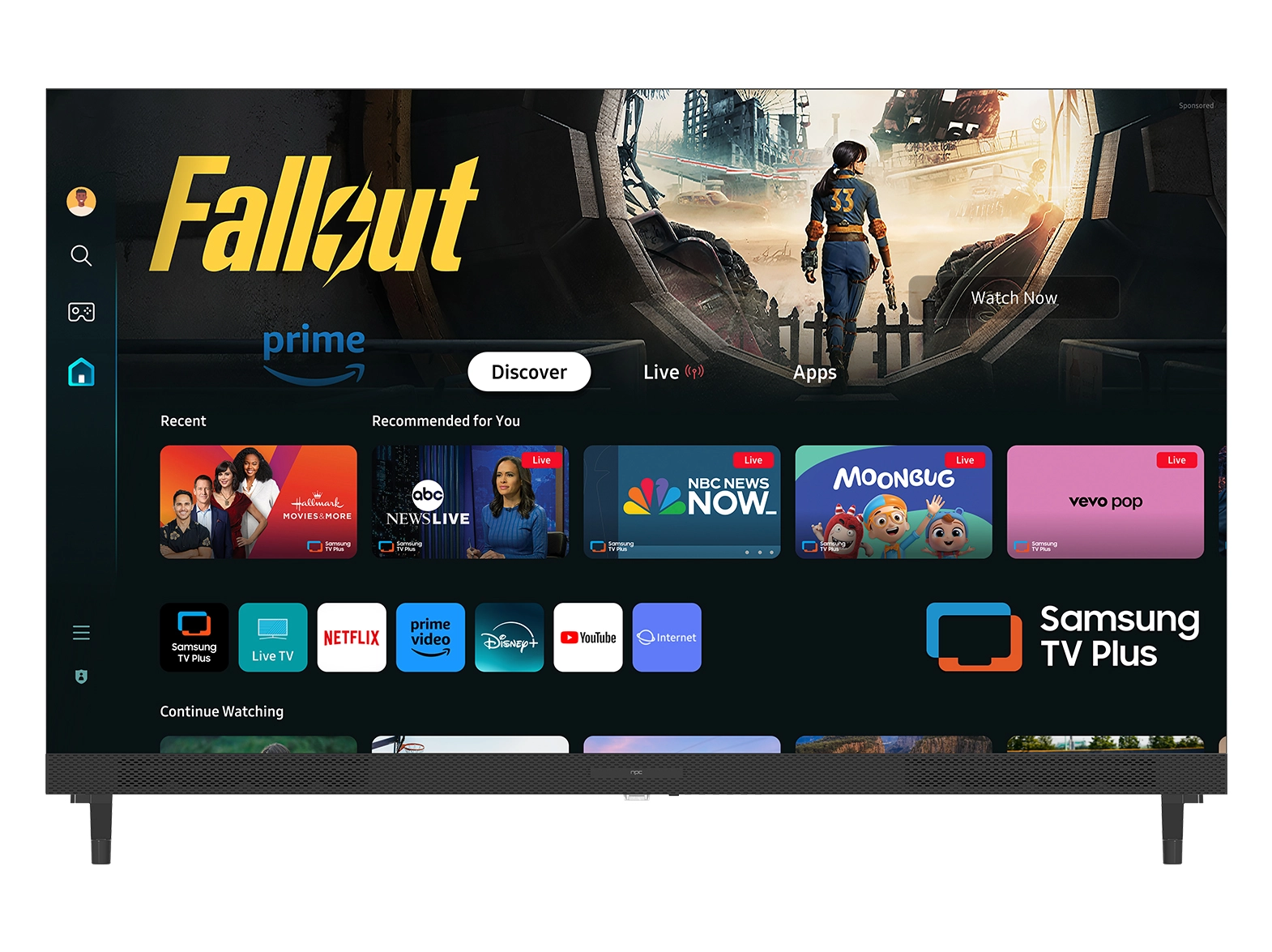


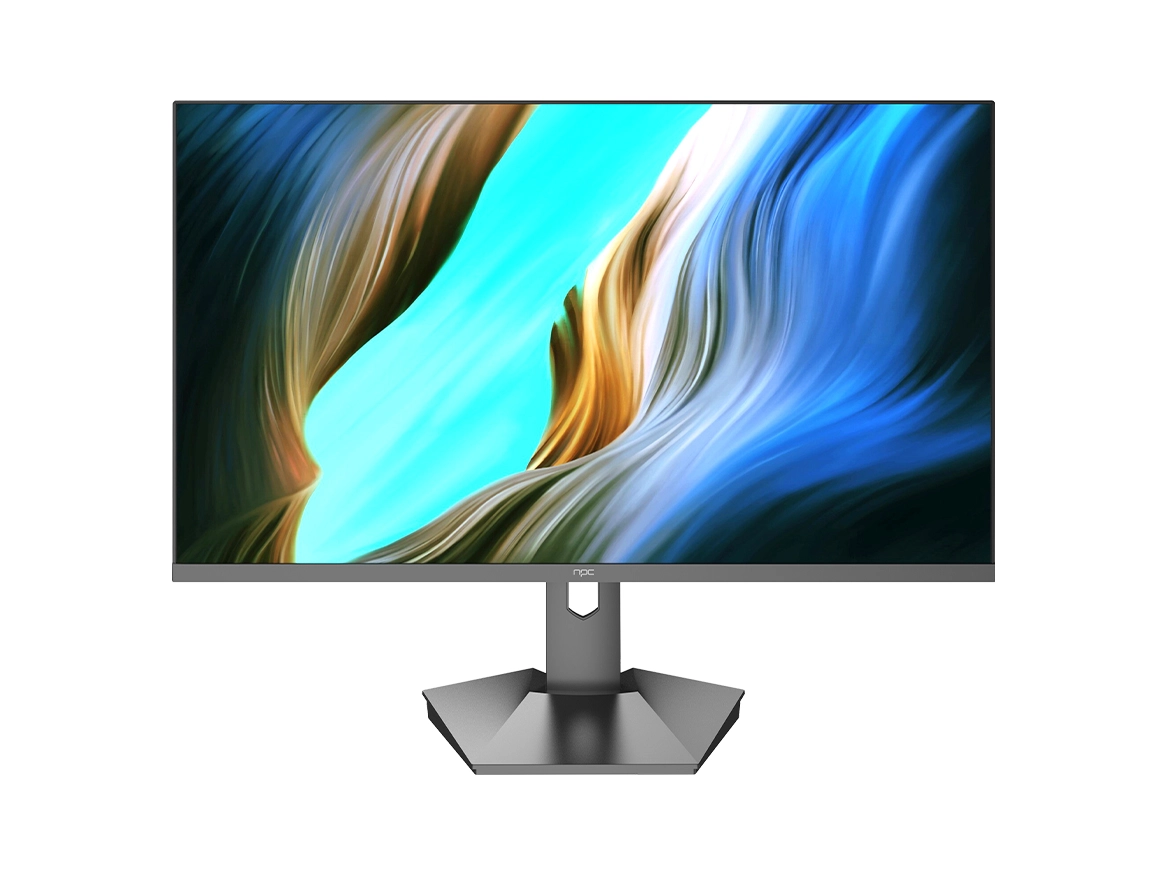


The evolution of the display market has given rise to the smart TV monitor—a device capable of acting as both a high-resolution PC display and a full-fledged media streaming hub. As these monitors, like those offered by NPC, transition into standalone smart ecosystems, their wireless connectivity becomes a mission-critical component. This brings the technical debate between WiFi 5 (802.11ac) and the newer WiFi 6 (802.11ax) sharply into focus: does the latest standard genuinely improve the streaming and productivity experience, or is it merely an incremental upgrade?
The distinction between the two generations is not found in raw, peak speed alone, but in how each handles the complexity and congestion of a modern, device-dense household. For a smart monitor that is constantly juggling 4K video streams, cloud gaming data, and background updates, WiFi 6 delivers key technical advantages essential for consistent performance.
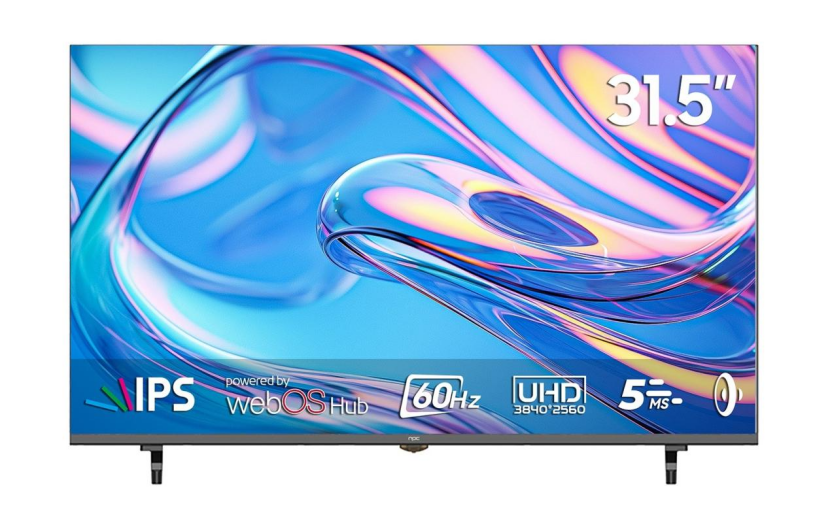
Redefining Efficiency: Capacity Over Speed
While the raw theoretical speed of WiFi 6 is significantly higher—up to 9.6 Gbps compared to WiFi 5’s approximately 3.5 Gbps—the primary benefit for the average user is improved efficiency and stability. This is achieved through two core technologies that transform how the network handles simultaneous data requests: OFDMA and enhanced MU-MIMO.
OFDMA: The Network Multi-Tasker
In a crowded network using WiFi 5, data is transmitted sequentially; if a small data packet (like a voice command or a quick search request) must wait behind a large data packet (like a 4K movie), latency is introduced. WiFi 6 uses Orthogonal Frequency-Division Multiple Access (OFDMA) to solve this. Imagine the traditional WiFi channel as a single, wide delivery truck. WiFi 5 forces every delivery to wait for the whole truck. OFDMA, however, divides the channel into smaller resource units, allowing the single "truck" to carry multiple small packages destined for different devices—your smart monitor, your phone, and a smart speaker—all at the same time.
For an NPC smart TV monitor running native streaming apps, this translates directly into a snappier interface, lower latency for cloud gaming, and significantly reduced buffering during peak network usage hours.
MU-MIMO: Enhanced Multi-Device Communication
Multi-User, Multiple-Input, Multiple-Output (MU-MIMO) is the second cornerstone of WiFi 6 efficiency. WiFi 5 introduced a limited version, allowing the router to send data (downlink) to up to four devices simultaneously. WiFi 6 dramatically enhances this by supporting up to eight simultaneous data streams and, crucially, adding uplink support.
This two-way communication is vital for the smart TV monitor's secondary functions, such as screen sharing from a mobile device, video conferencing via a connected webcam, or using a voice assistant like those integrated into the webOS platform. The improved uplink capacity ensures that these interactions are smooth, reliable, and do not cause speed degradation for other connected devices.
Practical Benefits for the Smart Monitor User
For the owner of a new NPC smart TV monitor, the technical refinements of WiFi 6 result in tangible, day-to-day advantages that elevate the user experience.
l Consistent 4K and HDR Streaming: While WiFi 5 can technically handle a single 4K stream, it struggles when the home network is under load. WiFi 6's efficiency ensures the monitor consistently receives the high-bitrate data required for 4K UHD resolution and HDR content without the frustrating dips in quality or momentary pixelation.
l Superior Cloud Gaming: NPC Smart Monitors, often featuring integrated systems like webOS, offer cloud gaming functionality. Cloud gaming relies heavily on low, stable latency. The reduced response times achieved by technologies like 1024-QAM and OFDMA in WiFi 6 are critical for ensuring that user input from a controller is registered almost instantaneously on the remote server, delivering a console-like experience without the console.
l Optimized Power Consumption: WiFi 6 introduces Target Wake Time (TWT), a feature that allows the monitor to schedule its communication with the router. Instead of constantly checking in, the monitor's WiFi radio can enter a low-power state and only wake up at the designated time. This power management is particularly useful for devices like smart TV monitors that remain connected 24/7, reducing standby energy consumption and enhancing the efficiency of the integrated smart hub.
l Wider Range and Security: By operating reliably on both the 2.4 GHz and 5 GHz bands, WiFi 6 offers better coverage, reducing dead zones, especially for monitors placed further from the main router. Furthermore, it incorporates WPA3 security protocols, offering a stronger layer of encryption and protection compared to the WPA2 standard typically associated with WiFi 5 devices.
Introducing NPC: Quality, Affordability, and Innovation
For a display device to successfully operate as a true smart TV monitor, it requires not only a cutting-edge panel but also robust internal connectivity to handle its diverse smart features.
The NPC brand, established in Guangzhou, China in 2005, is a technology group specializing in the research, production, and global sales of high-definition display products. NPC’s mission is centered on providing high-quality and affordable video display products for the global market. The NPC Smart Monitor line embodies this mission, offering an all-in-one display solution that adapts to modern, versatile lifestyles. Equipped with systems like the LG webOS, these monitors seamlessly integrate work, study, and entertainment, featuring built-in access to popular streaming services, cloud gaming, and remote PC functionality. By continuously focusing on incorporating necessary performance standards, such as future-proof WiFi technology, NPC delivers a powerful and cost-effective smart solution that truly eliminates the need for multiple devices.


