


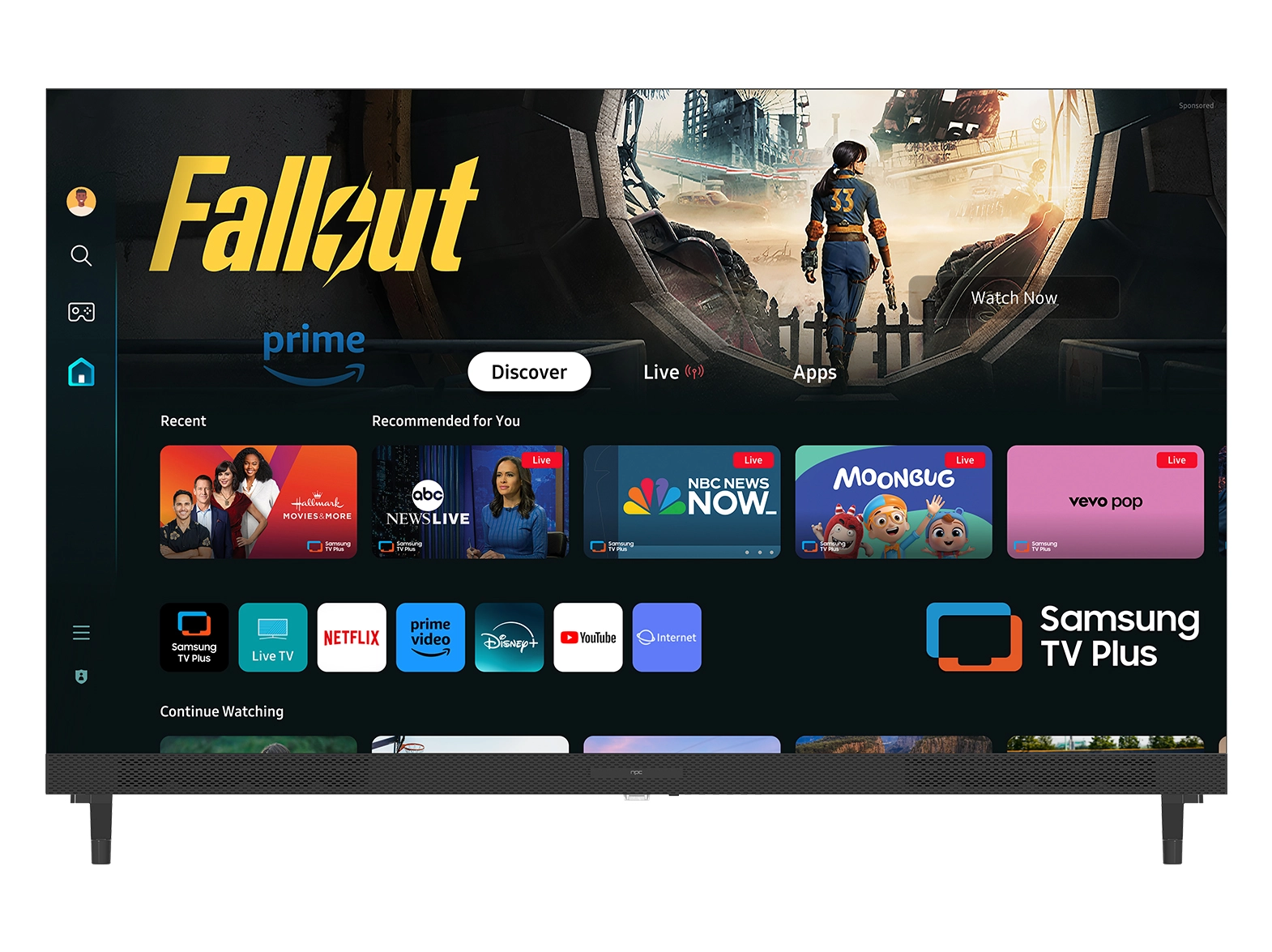


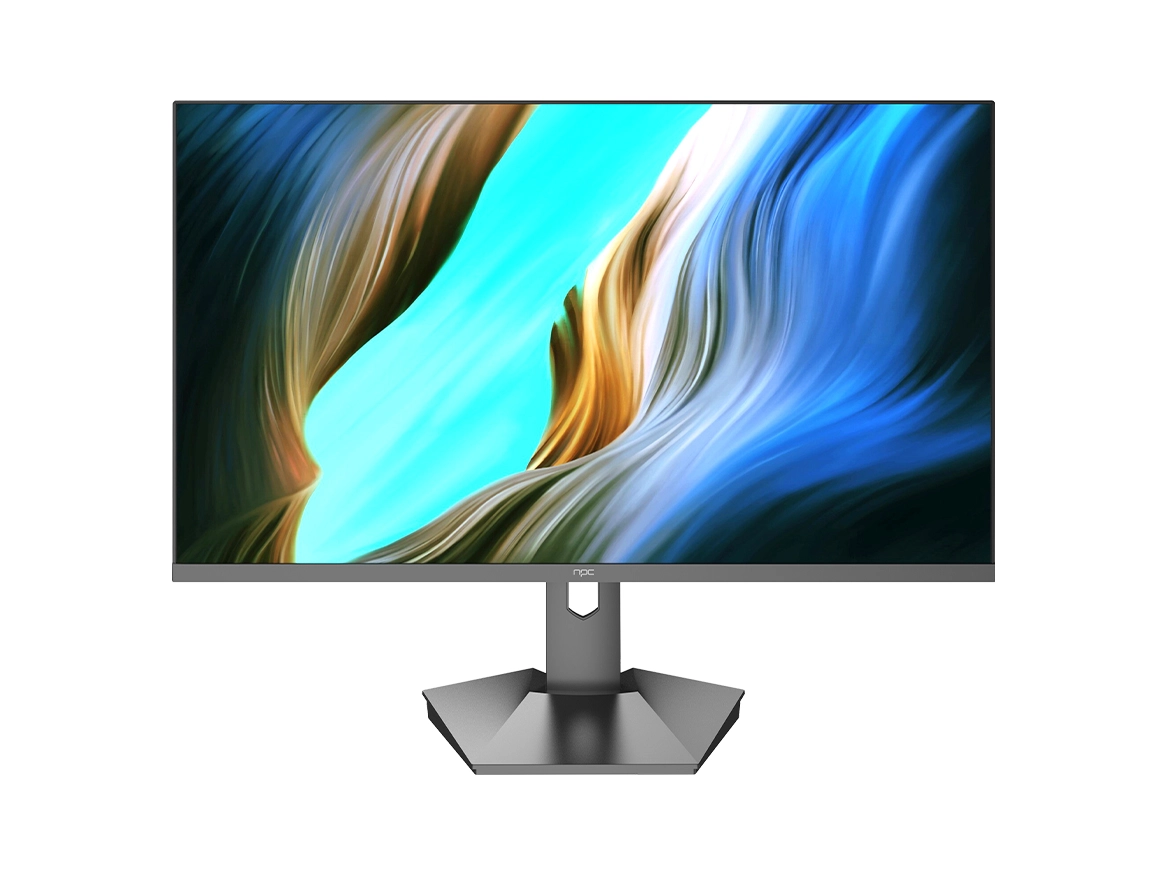


For professional video editors, color accuracy is not a luxury—it is the bedrock of their craft. In the last decade, display technology has witnessed a marketing blitz around Quantum Dot (QD), often packaged under the "QLED" banner. This technology promises brilliant, vibrant colors and deep contrast. However, separating the marketing hype from the technical reality is essential when searching for the right professional monitors for video editing.
Understanding what Quantum Dots are, how they integrate into a display panel, and what their practical benefits and drawbacks are, is the key to ensuring your investment—and your final product—meets the demanding standards of modern 4K and HDR workflows.

The Quantum Leap in Color: What QD Really Does
Quantum Dots are microscopic semiconductor nanocrystals used to improve the purity and efficiency of the display's backlight. They are a component that enhances the existing LCD panel technology.
In a traditional Liquid Crystal Display (LCD) monitor, a white LED backlight is passed through a series of filters. This process compromises the light's purity and results in a narrower color range. Quantum Dots revolutionize this by converting the raw blue light from the LED backlight into highly precise, pure red and green light. The result is a much cleaner, more saturated color foundation.
This technical enhancement delivers two crucial, measurable advantages for color-critical work:
l Massive Color Gamut Coverage: Quantum Dot technology allows the display to achieve near-perfect coverage of vital cinematic color spaces like DCI-P3 and, increasingly, a larger percentage of the future-proof Rec. 2020 gamut. For editors working on film, television, or streaming content, this expanded color volume is non-negotiable for accurate reproduction.
l Superior HDR Performance: By efficiently converting light, QD-enhanced displays can reach significantly higher peak brightness levels (nits) than traditional LCDs. This brightness is necessary for displaying High Dynamic Range (HDR) content correctly, allowing the editor to view brilliant specular highlights (like sun flares or reflective metals) while maintaining deep, rich color saturation that standard displays wash out at high luminance.
Marketing vs. Reality: QD-LCD vs. QD-OLED
When evaluating monitors, the marketing term "QLED" simply means "Quantum Dot-enhanced LCD." While QD is a clear upgrade over standard LCDs, a professional must consider how this technology stacks up against the ultimate benchmark: OLED.
Feature | QD-Enhanced IPS (LCD/QLED) | QD-OLED | Professional Reality for Editors |
Black Levels | Very good (Deep grey/black) | Perfect (Infinite contrast) | OLED wins for ultimate contrast, but LCD is sufficient for most SDR/HDR workflows. |
Burn-In Risk | Zero (Static elements pose no threat) | High (Static UIs can leave permanent image retention) | Critical differentiator: Video editing software has highly static UIs (timelines, tool palettes). QD-LCD/QLED is the safer daily workhorse. |
Peak Brightness | Very High (Excellent for HDR) | High (Very bright, but can exhibit ABL over large white areas) | Both excel, but high-end QD-LCDs often have a slight edge in sustained full-screen brightness. |
Color Accuracy | Excellent (Wide gamut, often ΔE < 2) | Excellent (Widest possible gamut) | Both are professional-grade, offering the necessary DCI-P3 and AdobeRGB coverage. |
The reality is that while QD-OLED offers an aesthetically stunning picture, the static elements inherent in professional editing software (timelines, color wheels, menu bars) make the burn-in risk a significant professional liability. For a dedicated, high-hour editing workstation, a reliable QD-enhanced IPS (LCD) monitor that provides high brightness, 4K resolution, and wide color gamut coverage is often the most practical choice. It delivers the essential features needed for color-critical work without the long-term risk.
Meeting Professional Demands with NPC Monitors
The demand for high-resolution, wide-gamut displays has made the search for the right professional monitors for video editing more complex than ever. Editors need specific features to handle tasks like color grading and detailed image manipulation.
NPC monitors are engineered to address these modern professional requirements directly. The NPC professional monitors line, available in sizes up to 40 inches, provides the stability and color fidelity needed for the most demanding creative tasks:
l Ultra HD 4K Resolution (3840x2160): Essential for native viewing and pixel-level detail when working on 4K footage.
l IPS Panel Technology: Guarantees superior viewing angles and color consistency, meaning colors remain true-to-life even when viewed from the side, perfect for collaboration.
l Wide Color Gamut Support: Features such as 97% sRGB and DCI-P3 coverage (as seen in models like the NPC-MU2707-K and NPC-MU3207-K) ensure that your work translates accurately across different mediums, from web to cinema.
l HDR10 Support: Provides the necessary contrast and luminance range for working on dynamic, modern HDR content.
By focusing on these core professional specifications, NPC delivers monitors that offer a tangible, real-world return on investment for filmmakers, designers, and image creators.
Discover the NPC Advantage
The "NPC" brand was established in Guangzhou, China in 2005. As a technology group company, NPC specializes in the research, production, and global sales of high-definition display products and personal computer products, including QLED smart TVs, gaming monitors, laptops, and more.
For nearly two decades, NPC has built its reputation on a core mission: to provide high-quality and affordable video display products for the global market. The company operates internationally, with a global network and subsidiaries in multiple countries, delivering localized support and reliable service. NPC is committed to technological innovation, leveraging strong global supply chain strength to manufacture cost-effective, durable, and reliable electronic technology products.
Choosing an NPC professional monitor means selecting a tool that blends advanced display features—like 4K resolution, IPS technology, and wide color gamut—with the operational stability and cost-effectiveness that professional environments demand. NPC is dedicated to becoming an internationally renowned and beloved electronic technology brand by continuously upholding its vision of quality and affordability.


