


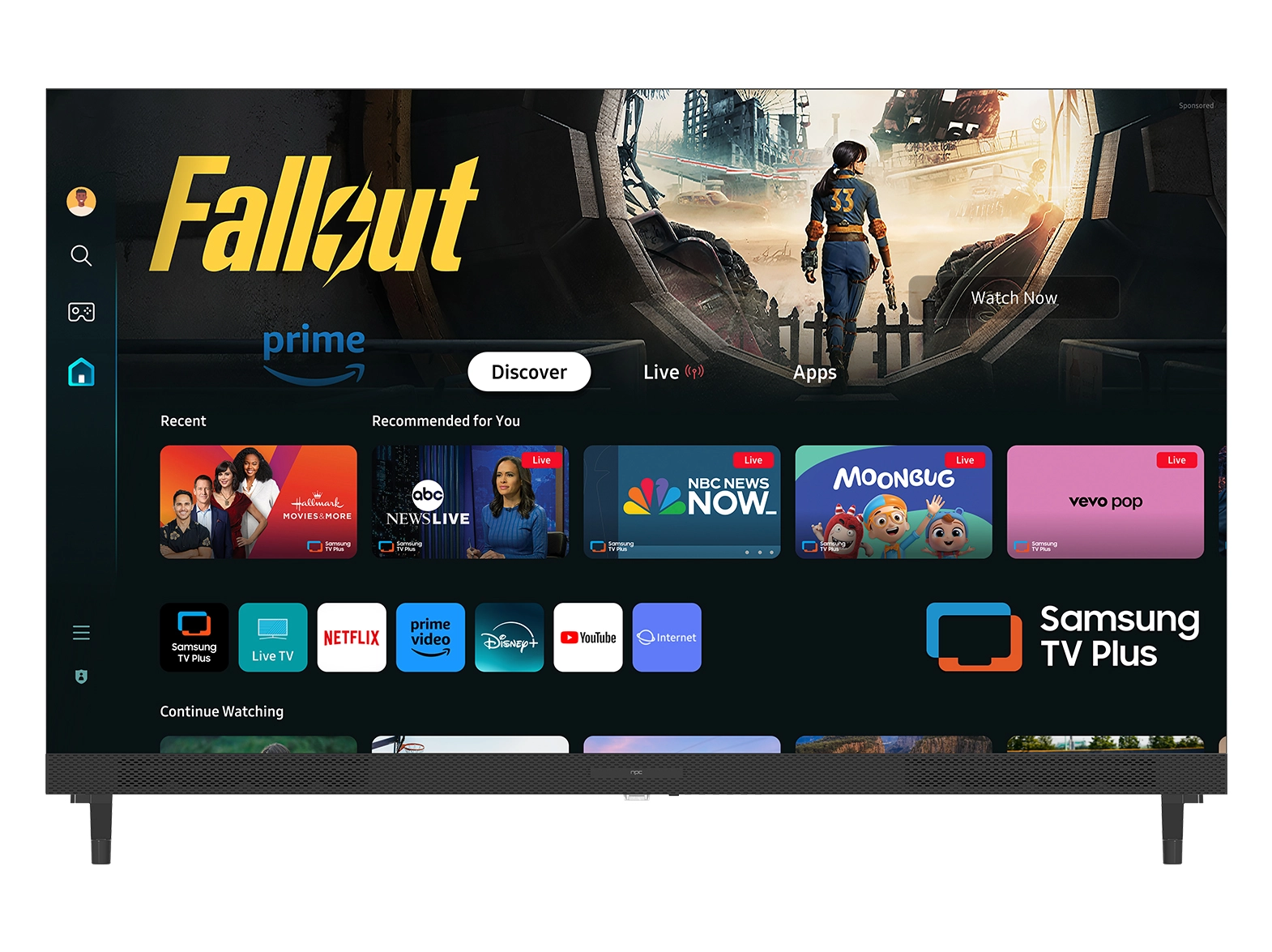




The rapid growth of display technology has brought significant changes to how visual content is delivered across televisions, monitors, projectors, and integrated systems. For businesses in the electronics supply chain, deciding between Dolby Vision, HDR10, and HDR10+ is more than a technical matter—it directly affects product positioning, consumer satisfaction, and long-term competitiveness. At NPC, we understand that choosing the right HDR format is essential for manufacturers, distributors, and traders working with advanced display solutions. In this context, platforms such as webos hub tv also provide additional flexibility, helping ensure compatibility and smooth integration for different product lines.
Understanding the Core Differences
Dolby Vision offers dynamic metadata that adjusts brightness and contrast on a scene-by-scene basis, providing enhanced accuracy for premium viewing experiences. HDR10, by comparison, uses static metadata, which is widely supported and ensures consistent performance across a broad range of devices. HDR10+ attempts to bridge the gap by introducing dynamic metadata like Dolby Vision, while maintaining the open and royalty-free approach of HDR10. Each standard has its advantages, and businesses selecting display technologies need to evaluate factors such as licensing fees, device compatibility, and target market expectations. For wholesale buyers and brand partners, aligning these standards with distribution goals is a key part of long-term planning.
The Role of Smart Ecosystems
The demand for smart, connected displays has expanded, with many buyers prioritizing compatibility with intelligent operating systems. This is where webos hub tv plays a valuable role, as it supports multiple HDR standards and ensures smooth integration across product categories. When working with large-scale projects, having a flexible platform that allows TVs, monitors, or projectors to seamlessly handle Dolby Vision, HDR10, and HDR10+ helps businesses minimize risk and deliver consistent performance. For procurement teams and resellers, the ability to market a display as both HDR-ready and platform-compatible adds significant commercial value.
Practical Considerations for Businesses
While consumers may focus on the viewing experience, businesses must also account for cost efficiency, regional demand, and technical scalability. HDR10 remains a practical choice for mass-market displays, while Dolby Vision is often preferred for premium products targeted at audiences who prioritize visual depth. HDR10+ provides a balanced alternative for companies that want flexibility without additional licensing costs. By combining these standards with the adaptability of webos hub tv, businesses can create product portfolios that appeal to different market segments while maintaining efficiency in production and distribution.
Conclusion
Choosing between Dolby Vision, HDR10, and HDR10+ is not about identifying a universal winner but about selecting the format that aligns with business goals, customer expectations, and technical resources. At NPC, we work closely with global partners in the wholesale and OEM sectors to deliver displays, all-in-one PCs, monitors, televisions, and projectors that integrate advanced HDR compatibility with intelligent platforms like webos hub tv. Our focus is on providing reliable, flexible, and scalable solutions that meet the demands of international procurement and distribution. For businesses looking to strengthen their product lines with proven technology and professional support, NPC is committed to being a trusted partner in the evolving display market.


