


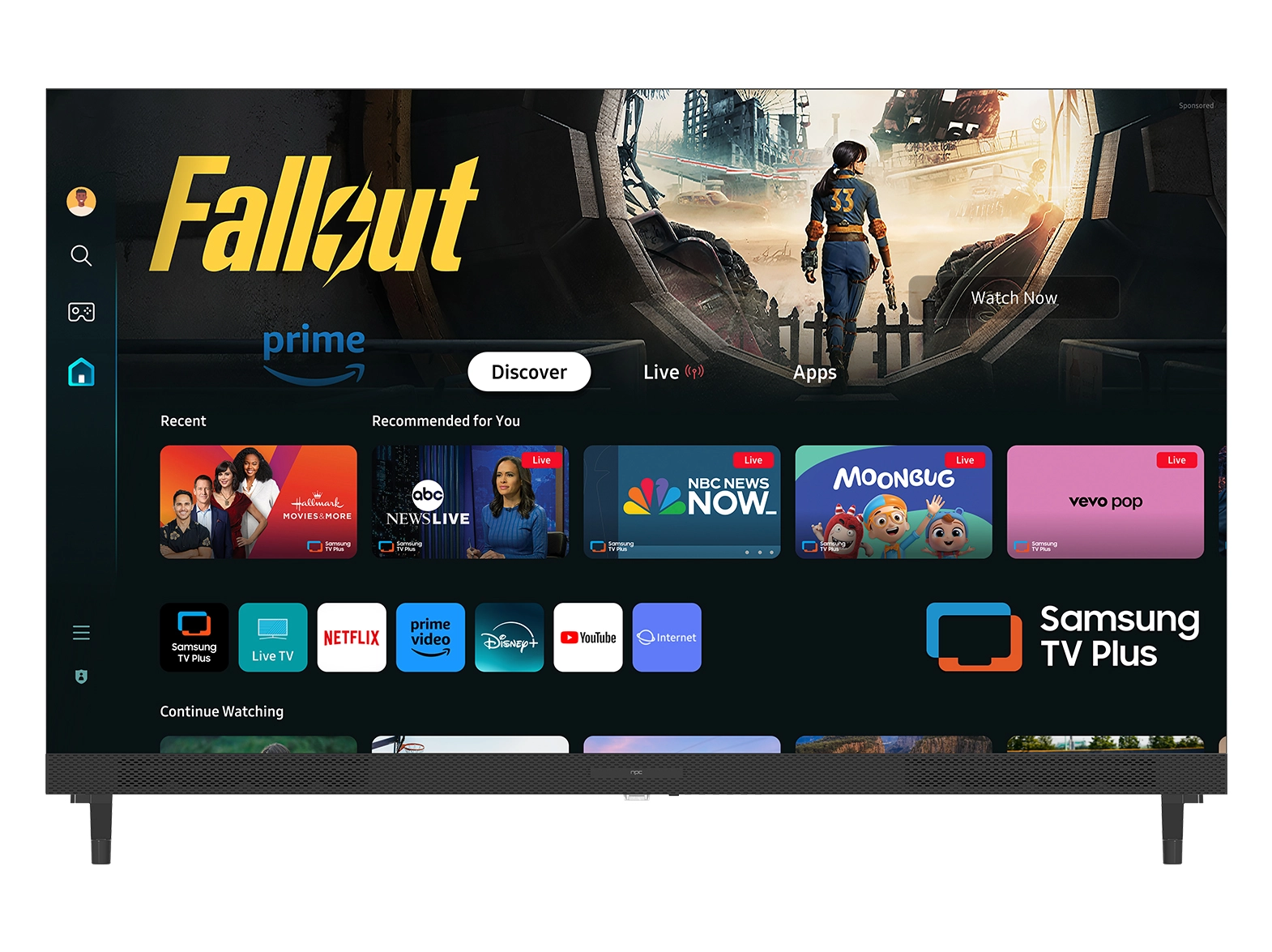


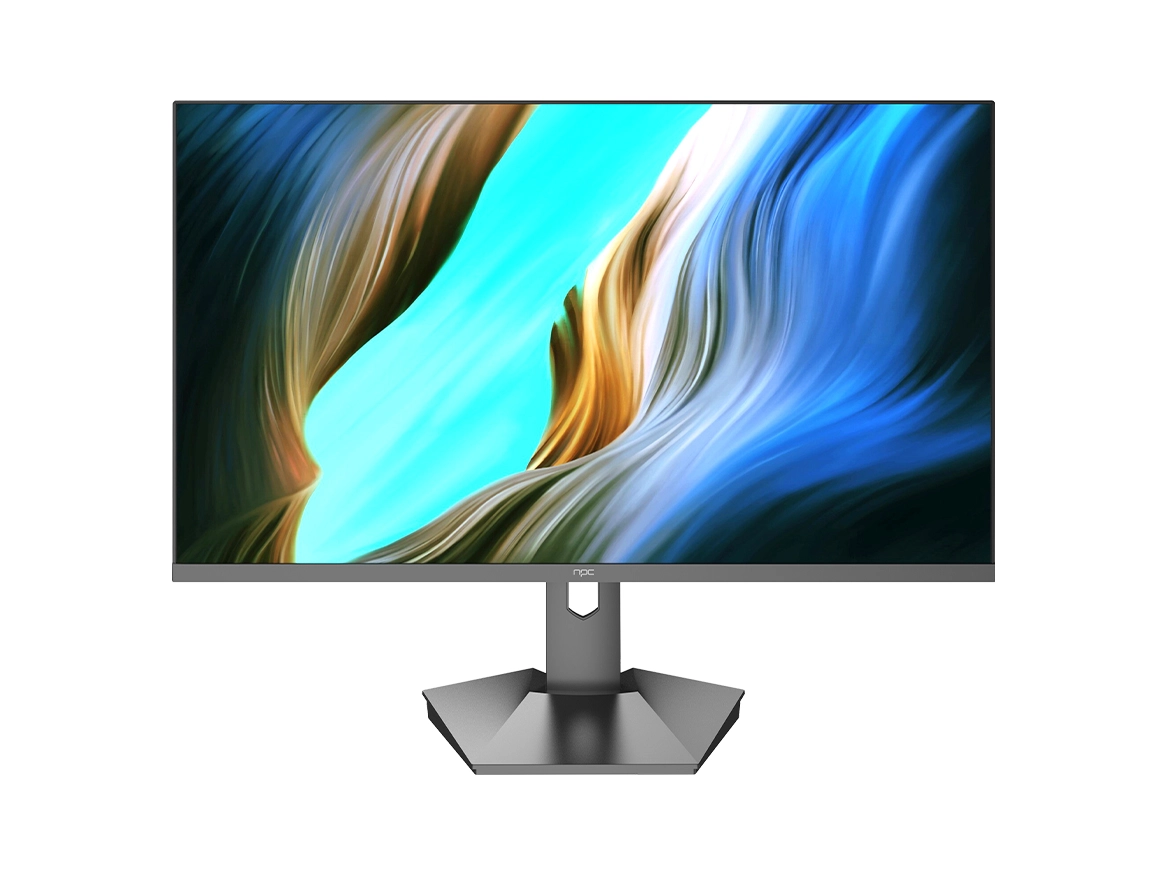


Starting with the basics of display technology, the choice between Quantum Dot and traditional LED has become a defining factor in how businesses like wholesalers, traders, and OEM buyers evaluate products for their markets. At NPC, we constantly analyze these technologies because the way colors are rendered directly impacts how end customers perceive quality, immersion, and value. With more brands adopting tizen os TV platforms, understanding the impact of display technologies is more critical than ever.
How Quantum Dot Enhances Color Reproduction
When it comes to color precision, Quantum Dot technology offers an edge over traditional LED panels. By using nano-sized semiconductor particles, Quantum Dot displays can reproduce a broader spectrum of colors with greater vibrancy. This means that reds appear richer, greens more natural, and blues more accurate. Traditional LED, on the other hand, relies on a more limited backlight system that can sometimes produce muted or washed-out tones.
For wholesalers and traders, this difference is not just technical—it directly influences sales potential. Buyers increasingly prioritize televisions that offer lifelike detail, especially when paired with advanced platforms like tizen os TV. The NPC-85N21 UHD Smart TV integrates a new generation DLED screen with pixel-level light control, making it comparable to real-world light and shadow levels. This capability is a major talking point for resellers seeking to attract premium buyers.
Brightness, Contrast, and HDR Compatibility
Another critical factor in the debate between Quantum Dot and traditional LED is brightness and contrast. Quantum Dot panels typically offer higher brightness levels, which allow HDR content to shine in its intended form. Traditional LED panels may struggle with brightness uniformity, resulting in less impactful visuals.
NPC’s 85-inch DLED Ultra-large Smart TV addresses this by supporting Dolby HDR. The combination of HDR compatibility and advanced color technology ensures that streaming platforms like Netflix, Prime Video, and YouTube display content with depth and accuracy. For businesses in the wholesale and OEM sectors, offering models that balance brightness with accurate contrast gives their clients a real advantage. When paired with tizen os TV, the experience becomes seamless, making it easier for customers to embrace both entertainment and productivity on the same platform.
Expanding the Role of TVs Beyond Entertainment
It’s important to note that televisions are no longer single-purpose devices. While Quantum Dot technology brings unmatched picture quality, the value of a smart platform such as tizen os TV lies in versatility. The NPC Smart TV demonstrates this by going beyond passive viewing. Built-in streaming, gaming, and device-sharing functions expand its role in everyday life. Additionally, integration with SmartThings transforms the television into part of a connected smart home, enriching lifestyles with convenience and flexibility.
For wholesalers and OEM buyers, this convergence of display excellence and smart functionality creates a stronger pitch to the market. Customers no longer ask just about resolution; they want to know how a product can improve their daily lives. With Quantum Dot, HDR, and tizen os TV, NPC has created a product that directly addresses those needs.
Conclusion
As we compare Quantum Dot and traditional LED technologies, the impact on color accuracy, brightness, and viewing experience is undeniable. For wholesalers, traders, and OEM buyers, the conversation is no longer about basic specifications but about value-added features that resonate with modern consumers. At NPC, we’ve combined advanced DLED technology, Dolby HDR compatibility, and the intuitive tizen os TV platform into the NPC-85N21 UHD Smart TV. By doing so, we provide a solution that not only enhances visual quality but also creates new opportunities for business growth in the competitive display market.


