


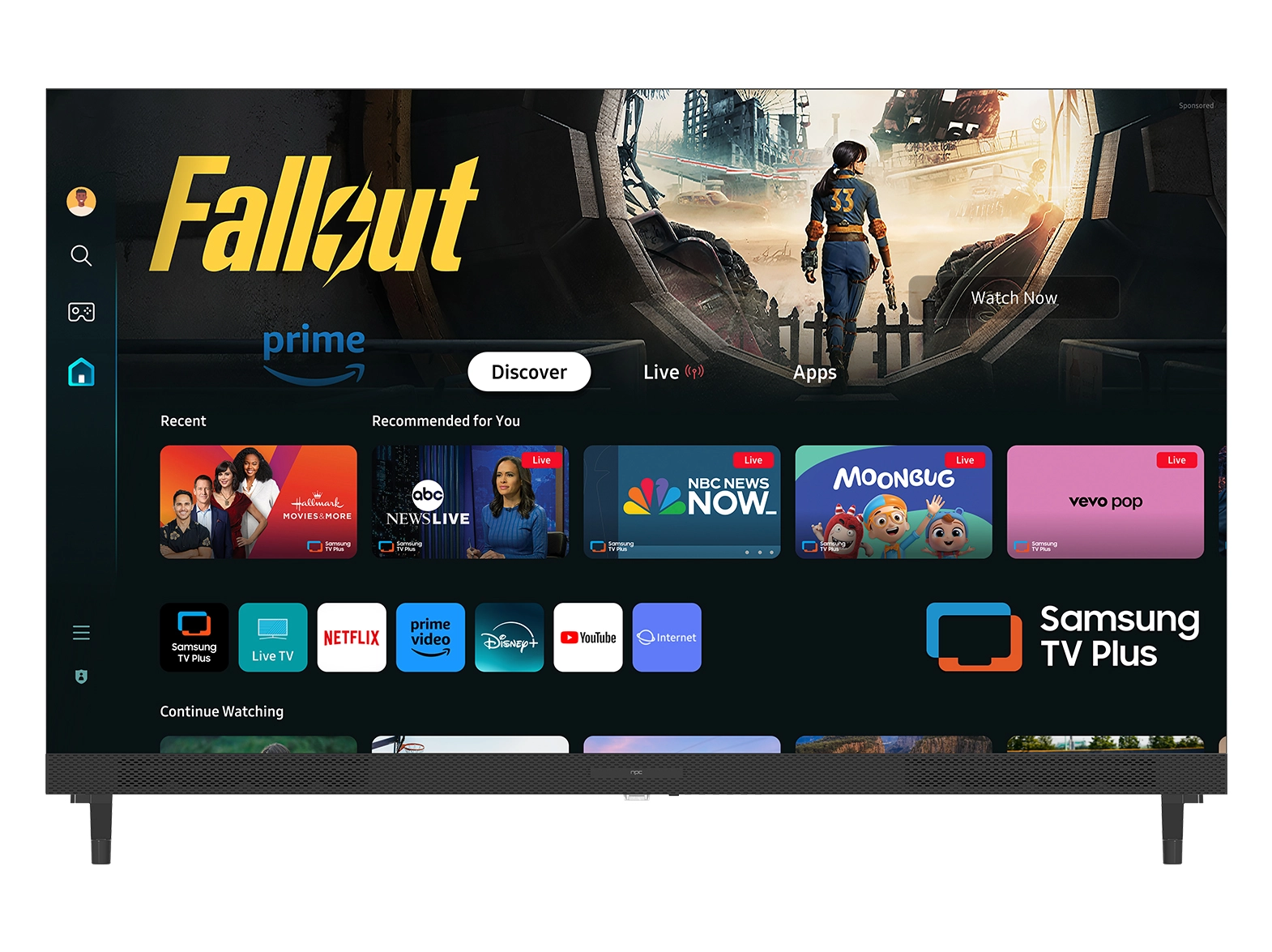


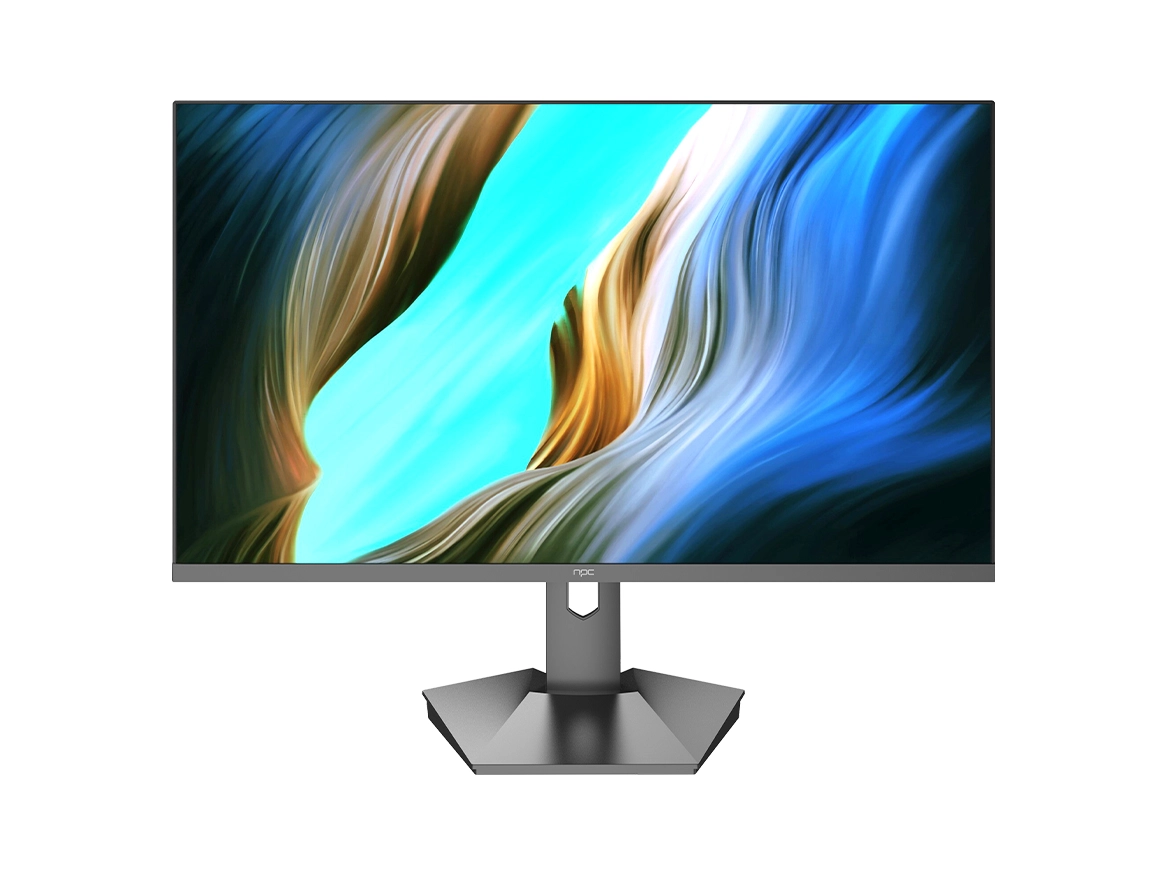


Picture a scene from a thriller: a detective silhouetted in a dimly hallway, a single light bulb flickering in the distance. On a standard television, the black of the hallway might appear as a washed-out gray, robbing the moment of its tension. This is where local dimming becomes a critical differentiator. For our partners in the B2B space—wholesalers, traders, and OEMs—understanding this technology is key to explaining the superior performance of advanced displays like our NPC Smart TV models. We will explore the core principles of local dimming and its direct impact on contrast performance, a vital metric for quality.
The Fundamental Challenge of LCD Contrast
To appreciate local dimming, one must first grasp the inherent limitation of traditional LCD panels. An LCD television uses a constant backlight, typically an LED array, that shines light through a liquid crystal layer. This layer acts as a shutter, opening and closing pixels to block or allow light through, thus creating an image. The crucial issue is that when a pixel needs to be black, it can only block the constant backlight so much. This results in blacks that are more akin to dark gray, significantly compressing the contrast ratio. Contrast ratio, defined as the difference between the brightest white and the darkest black a screen can produce, is the foundation of image depth, clarity, and realism. Without a solution, even the most vibrant colors can appear flat against a mediocre black level.
How Local Dimming Zones Create Precision
Local dimming addresses this challenge by dividing the backlight into an array of independent zones that can be dimmed or brightened individually. Instead of one constant backlight for the entire screen, hundreds of smaller LEDs work in concert with the image data. When a part of the image needs to be dark, like the night sky, the dimming zones in that area can lower their brightness or turn off completely. Simultaneously, zones corresponding to stars or city lights can shine at full intensity. This precise control allows for dramatically deeper blacks right alongside brilliant highlights within the same frame. The quality of a Tizen OS Smart TV is thus not just about the smart interface, but also about the hardware capable of doing justice to high-dynamic-range content.
The Direct Impact on HDR Content Performance
The true value of a robust local dimming system is unlocked when displaying High Dynamic Range (HDR) content. HDR is designed to offer a wider range of brightness and color than standard dynamic range. A television without effective local dimming cannot fully realize the potential of HDR; the extreme highlights and shadows are compressed because the backlight cannot adjust with sufficient granularity. A powerful local dimming algorithm ensures that specular highlights—like sunlight glinting off water—pop with intensity, while shadow details in a dark forest remain distinct and clear. This precision is what transforms a good picture into a captivating viewing experience, a feature that discerning buyers and major foreign brand OEMs actively seek.
In summary, local dimming is not merely a marketing term but a fundamental hardware advancement that directly elevates contrast performance. By enabling precise control over backlight intensity across the screen, it allows for deeper blacks, brighter whites, and a more immersive HDR experience. This technical excellence forms the foundation of a superior viewing platform.
This commitment to core display performance is what defines our approach at NPC. We integrate advanced technologies like high-precision local dimming into our displays, such as the NPC-100V9G, to ensure our B2B clients receive products that meet high market standards. This hardware excellence is complemented by the seamless and intuitive Samsung Tizen OS, which provides the smart content curation and discovery platform. For wholesalers and traders dealing in all-in-one computers, monitors, and projectors, offering an NPC Tizen OS Smart TV means providing a complete package where stunning picture quality meets a sophisticated and user-friendly smart ecosystem, all designed to meet the demands of the global market.


