


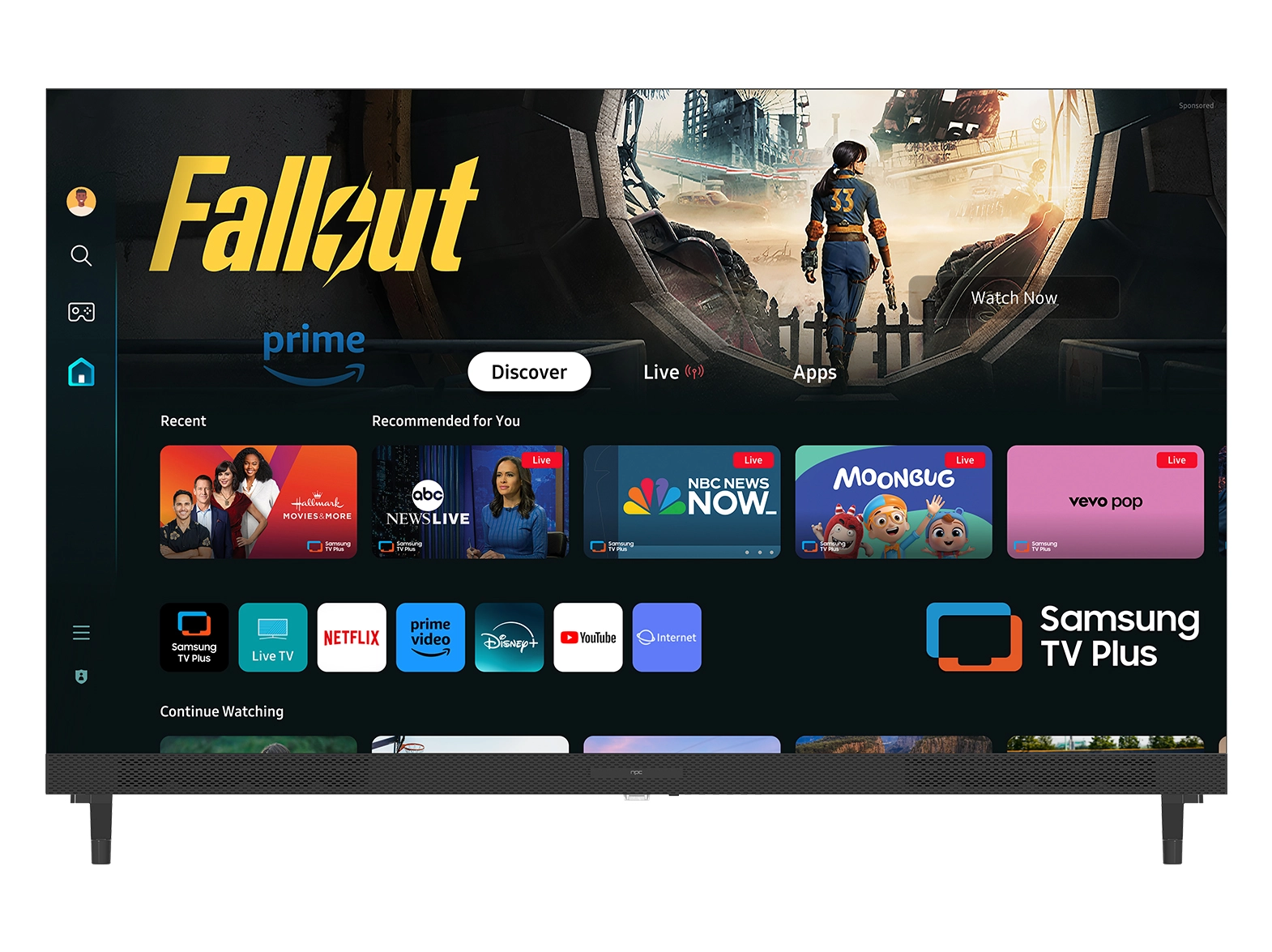




Television technology continually evolves to deliver more immersive viewing experiences, and High Dynamic Range (HDR) stands out as a significant advancement in this journey. We often encounter questions about HDR from our partners in the wholesale and trading sectors, who seek to understand its value for end-users. Essentially, HDR enhances the contrast and color range of images, making them appear closer to what the human eye perceives in real life. This technology is particularly relevant for modern displays, including smart TVs that integrate platforms like webOS for seamless content access. In this article, we will explore the fundamentals of HDR, its impact on picture quality, and how it synergizes with smart TV features, such as those found in a smart iptv webos system. By grasping these concepts, businesses can better appreciate the products they distribute and meet consumer demands for superior visual performance.
Defining HDR and Its Technical Foundations
HDR, or High Dynamic Range, refers to a display technology that expands the range of luminosity and color in video content. Unlike Standard Dynamic Range (SDR), which offers a limited contrast ratio, HDR allows for brighter brights, darker darks, and a wider spectrum of colors simultaneously. This is achieved through metadata that instructs the TV on how to render each scene based on peak brightness, color gamut, and other parameters. For instance, HDR formats like HDR10 or Dolby Vision enable displays to show intricate details in shadowy areas and highlight sections without losing clarity. When integrated into a smart iptv webos TV, HDR works with the operating system to optimize content from various sources, such as streaming apps or digital broadcasts. This technical synergy ensures that the hardware and software collaborate to maximize HDR's potential, providing a foundation for realistic imagery that appeals to viewers seeking cinema-like quality at home.
How HDR Enhances Realism in Visual Content
The realism offered by HDR stems from its ability to replicate the dynamic range of natural light. By increasing the contrast ratio, HDR makes images appear more three-dimensional and lifelike. For example, scenes with sunlight reflecting off water or stars in a night sky gain depth and vibrancy, as HDR preserves details that would be washed out or crushed in SDR. Additionally, HDR supports wider color gamuts, such as DCI-P3 or Rec. 2020, which produce more saturated and accurate hues. This is crucial for content like nature documentaries or films, where color fidelity impacts emotional engagement. In a smart iptv webos environment, HDR content from platforms like Netflix or YouTube is automatically detected and enhanced, thanks to the OS's processing capabilities. The combination of HDR with a high-quality display panel, such as QLED D-LED, ensures that every frame delivers consistent brightness and color, reducing eye strain and increasing viewer satisfaction. This enhancement is not just a minor improvement but a transformative step that makes the viewing experience more authentic and engaging.
The Integration of HDR with Smart TV Platforms like webOS
Smart TV operating systems play a pivotal role in delivering HDR content efficiently. webOS, for example, is designed to streamline access to HDR-enabled applications and services. Its user-friendly interface, featuring a customizable home screen and AI-driven recommendations, allows users to easily find and play HDR content without technical hassle. The smart iptv webos ecosystem supports various HDR formats, ensuring compatibility with major streaming services. This integration means that when a viewer selects an HDR movie, the TV adjusts settings automatically to optimize picture quality. Moreover, the wireless connectivity of a smart iptv webos TV enables smooth streaming of high-bandwidth HDR content, minimizing buffering and artifacts. For businesses, this seamless integration is a key selling point, as it enhances the value proposition of HDR-equipped TVs. By offering a smart iptv webos solution that combines HDR with intuitive software, distributors can cater to consumers who prioritize both convenience and visual excellence.
Conclusion
High dynamic range (HDR) technology greatly improves TV watching by creating more lifelike, detailed, and vibrant images. With its capacity to improve color and contrast, it is a must-have for modern displays, especially when combined with intelligent platforms that streamline content delivery. By learning about HDR's advantages, such as increased realism and easier content accessibility, businesses can better explain them to consumers. Among NPC's many B2B partners are distributors, merchants, and original equipment manufacturers (OEMs) that service markets all over the world. We are experts at creating television solutions that integrate these cutting-edge technology. This dedication is on full display in our NPC-75N18G UHD Smart TV with webOS, which supports high dynamic range (HDR) content in formats such as Dolby HDR. This model's smart features, like ThinQ AI and support for YouTube and Netflix, are complemented by its bright HDR performance and QLED D-LED display with a D-LED lighting unit. If distributors are looking to fulfill the demand for connected and realistic viewing, this smart iptv webos solution is a great option because it streamlines the entertainment and practical viewing experiences. Reliable choices that meet the changing demands of the market are offered by NPC through the integration of HDR with strong smart TV capabilities.


