


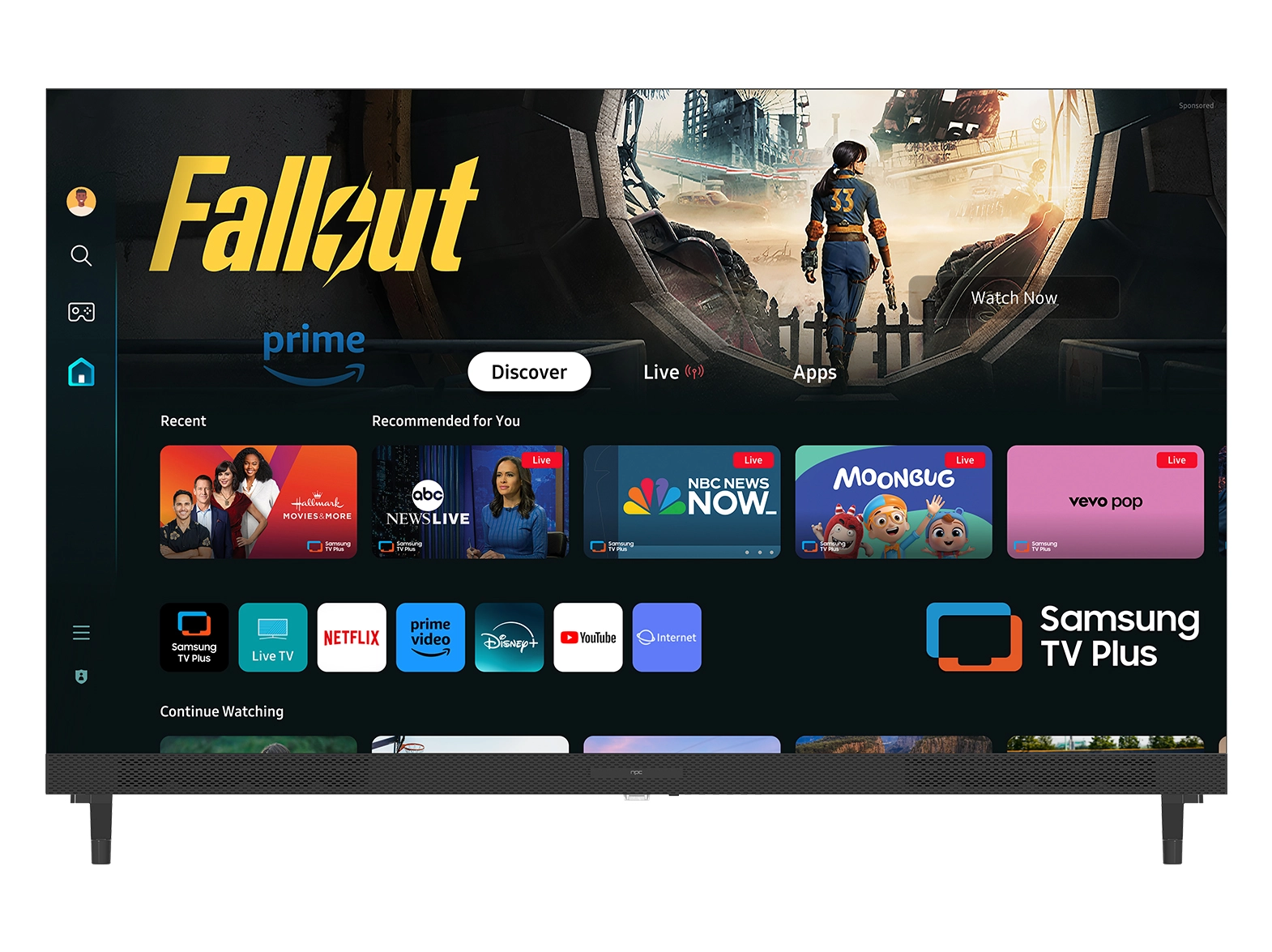




When businesses source televisions for retail or integration, the choice of display technology—OLED, QLED, or Mini-LED—can significantly influence customer satisfaction and market competitiveness. We at NPC recognize that wholesalers, traders, and OEMs need clear insights into these options to guide clients toward informed decisions, particularly as smart features like webOS enhance user experiences. This comparison will delve into the core characteristics of each technology, highlighting their strengths and limitations for various applications. By examining factors such as contrast, brightness, and cost, we aim to equip your business with the knowledge to recommend the ideal display solution. Additionally, we will explore how a smart TV with webos can integrate these technologies, ensuring that your offerings align with evolving consumer demands for both picture quality and smart functionality.
OLED Technology: Exceptional Contrast and Viewing Angles
OLED (Organic Light-Emitting Diode) displays are renowned for their ability to produce perfect blacks and infinite contrast ratios, as each pixel emits its own light and can turn off completely. This results in vibrant, true-to-life images with wide viewing angles, making OLED ideal for dark room environments and critical viewing scenarios like home theaters. However, OLED panels generally have lower peak brightness compared to QLED or Mini-LED, which might affect performance in brightly lit spaces. They can also be susceptible to burn-in over time with static content, a consideration for displays used for gaming or news tickers. While OLED excels in contrast, its higher cost and brightness limitations may not suit all markets. For businesses considering a smart TV with webos, OLED models offer premium visuals but might be less accessible for budget-conscious clients. We note that OLED's strengths are best leveraged in high-end segments where image quality is paramount.
QLED Technology: High Brightness and Color Vibrancy
QLED (Quantum Dot LED) technology uses a layer of quantum dots to enhance color and brightness, typically achieving higher peak luminance than OLED. This makes QLED displays well-suited for bright living rooms or spaces with ambient light, as they maintain vivid imagery without sacrificing color accuracy. QLED TVs often provide excellent color volume and are more affordable than OLED, offering a balance of performance and value. For instance, our NPC-85N18G smart TV with webos utilizes QLED D-LED technology with a resolution of 3840x2160, delivering vibrant 4K visuals complemented by features like Dolby HDR. The backlight unit ensures consistent brightness, while the integration of webOS allows seamless access to streaming services like Netflix and YouTube. This combination makes a QLED-based smart TV with webos a practical choice for general entertainment, catering to clients who prioritize brightness and smart capabilities. We design our QLED options to meet these needs, ensuring reliability for wholesalers serving diverse consumer bases.
Mini-LED Technology: Precision Backlighting for Enhanced Performance
Mini-LED is an advanced backlighting technology that uses thousands of tiny LEDs behind the screen, allowing for more precise local dimming zones than traditional LED TVs. This results in improved contrast and black levels, bridging the gap between OLED and standard QLED displays. Mini-LED TVs can achieve high brightness while minimizing bloom or halo effects around bright objects, making them versatile for both movies and HDR content. However, they may not match OLED's per-pixel contrast and can be more expensive than basic QLED models. For a smart TV with webos, Mini-LED enhances the viewing experience by providing deeper blacks and better overall uniformity, which is appealing for gaming or sports enthusiasts. As businesses evaluate options, Mini-LED represents a mid-to-high-end solution that balances performance with emerging trends. We at NPC monitor these advancements to ensure our future smart TV with webos offerings incorporate relevant technologies, helping you stay competitive in a dynamic market.
In the end, OLED has premium contrast and viewing angles, QLED has affordable brightness and color vibrancy, and Mini-LED has balanced backlight management. Businesses must consider money, lighting, and use while curating their product lines. NPC displays, like the NPC-85N18G, combine these technologies with smart features. The webOS smart TV with QLED D-LED display technology, ThinQ AI for voice control, and Dolby HDR for immersive images delivers effortless navigation. With a digital TV tuner and 200-300 cd/m² brightness, this device offers individualized experiences with profiles and voice ID, making it a great choice for wholesalers and OEMs targeting households seeking quality and convenience By working with NPC, you may offer smart TVs with webos solutions that use display advances to meet your customers' entertainment needs.


