




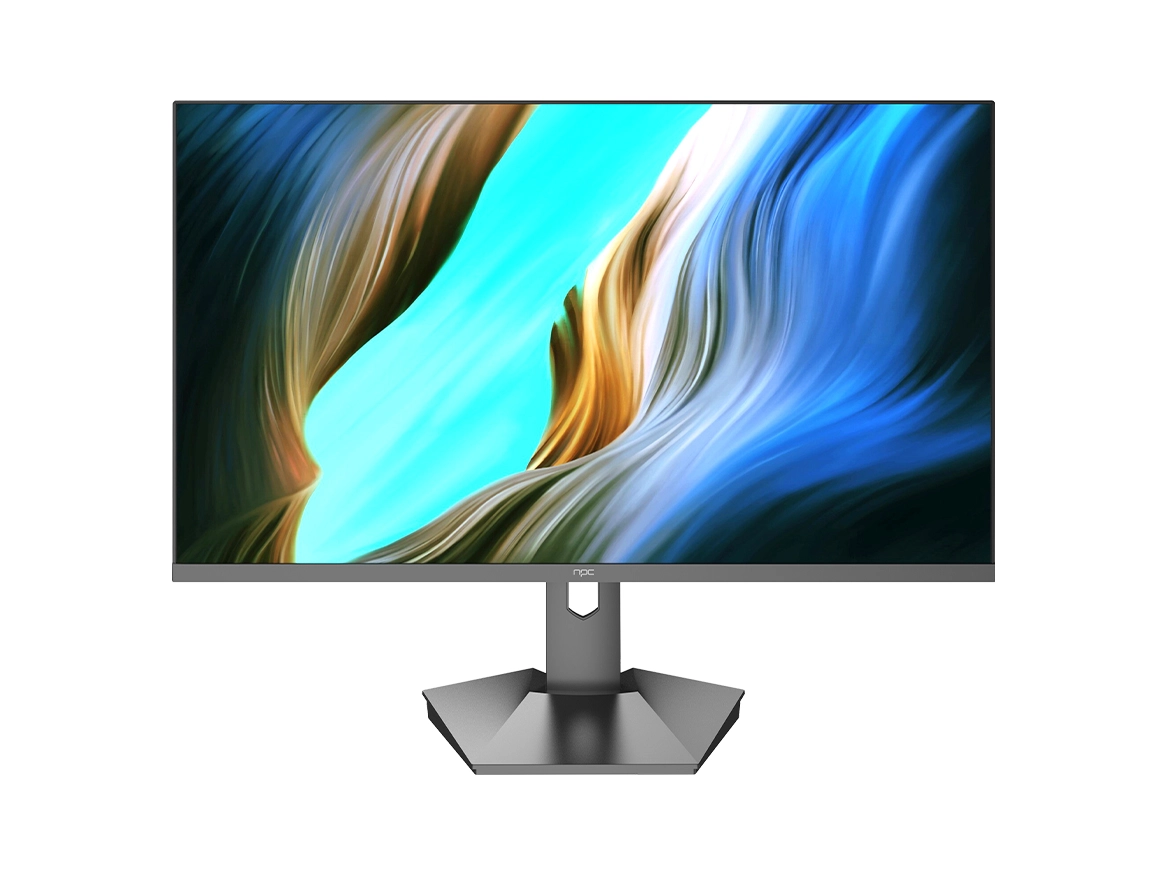


In the world of gaming, especially when dealing with a gaming 240 Hz monitor, understanding the concept of refresh rate is essential for creating an immersive and seamless gaming experience. Let's dive deep into this crucial aspect.
The Fundamental Meaning of Refresh Rate
Refresh rate is essentially the number of times in a second that a monitor is able to redraw the image on the screen. For an NPC gaming 240 Hz monitor, this means it can display a new image 240 times every single second. This high frequency of updates leads to incredibly smooth and fluid visuals. When compared to monitors with lower refresh rates, such as the common 60 Hz ones, the difference is immediately noticeable. In games with fast-paced action or quick movements, an NPC 240 Hz monitor can provide a significant advantage. It reduces motion blur and makes it easier for gamers to track objects accurately, whether it's a speeding car in a racing game or a rapidly moving enemy in a first-person shooter. The higher the refresh rate, the more natural and realistic the motion appears on the screen. This not only enhances the visual quality of the game but also can potentially improve the gamer's performance by providing clearer and more responsive visuals.
Impact on Gaming Experience
In the gaming world, a 240 Hz refresh rate can be a game-changer. It allows for smoother gameplay, reducing the perception of lag and providing a more immersive experience. Gamers can react more quickly to in-game events, as the monitor is able to display changes in the game world more rapidly.
For competitive gamers, this can mean the difference between winning and losing. The ability to see and respond to opponents' movements with greater precision can give them an edge over those using lower refresh rate monitors. In esports tournaments, where split-second decisions matter, a high refresh rate monitor like the 240 Hz one is often preferred by professional players.
Technical Considerations and Compatibility
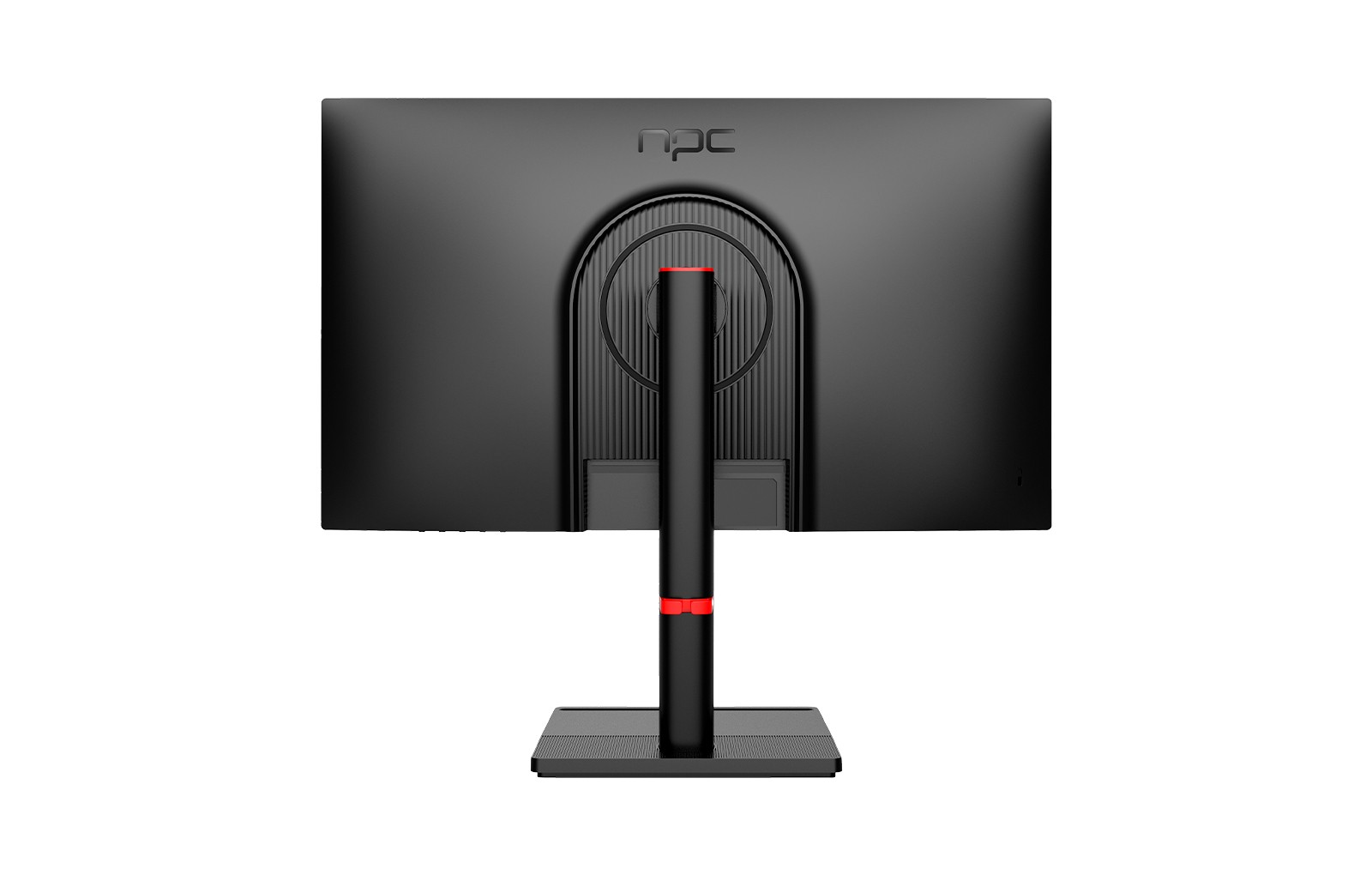
To fully utilize the benefits of a 240 Hz gaming monitor from NPC, certain technical requirements need to be met. A powerful graphics card is essential to ensure that the computer can output enough frames per second to match the monitor's high refresh rate. If the graphics card cannot keep up, the monitor may not be able to display at its full potential, resulting in a less-than-optimal gaming experience. Compatibility with different gaming systems and software is also important. Most modern gaming consoles and PCs support high refresh rates, but it's crucial to ensure that the correct settings are configured in both the operating system and the game itself. Some games may require specific adjustments to enable the higher refresh rate, while others may automatically detect and adapt to the monitor's capabilities. Additionally, the quality of the cables used to connect the monitor to the gaming device can affect the refresh rate performance. High-quality HDMI or DisplayPort cables are recommended to ensure a stable and consistent connection with minimal signal loss from NPC's cable offerings.
Conclusion
In conclusion, at NPC, we understand the crucial role the refresh rate of a monitor, especially a gaming 240 Hz one, plays in shaping the gaming experience. Comprehending its meaning, impact on gameplay, and technical prerequisites is essential for gamers and those facilitating gaming setups. By selecting the right high-refresh-rate monitor from NPC and ensuring it's properly configured and compatible with your gaming system, you can unlock a new realm of gaming performance and immersion. Whether for personal gaming at home or setting up a gaming zone in a public area, the refresh rate is a key element that NPC helps you prioritize for an exceptional gaming adventure.


