


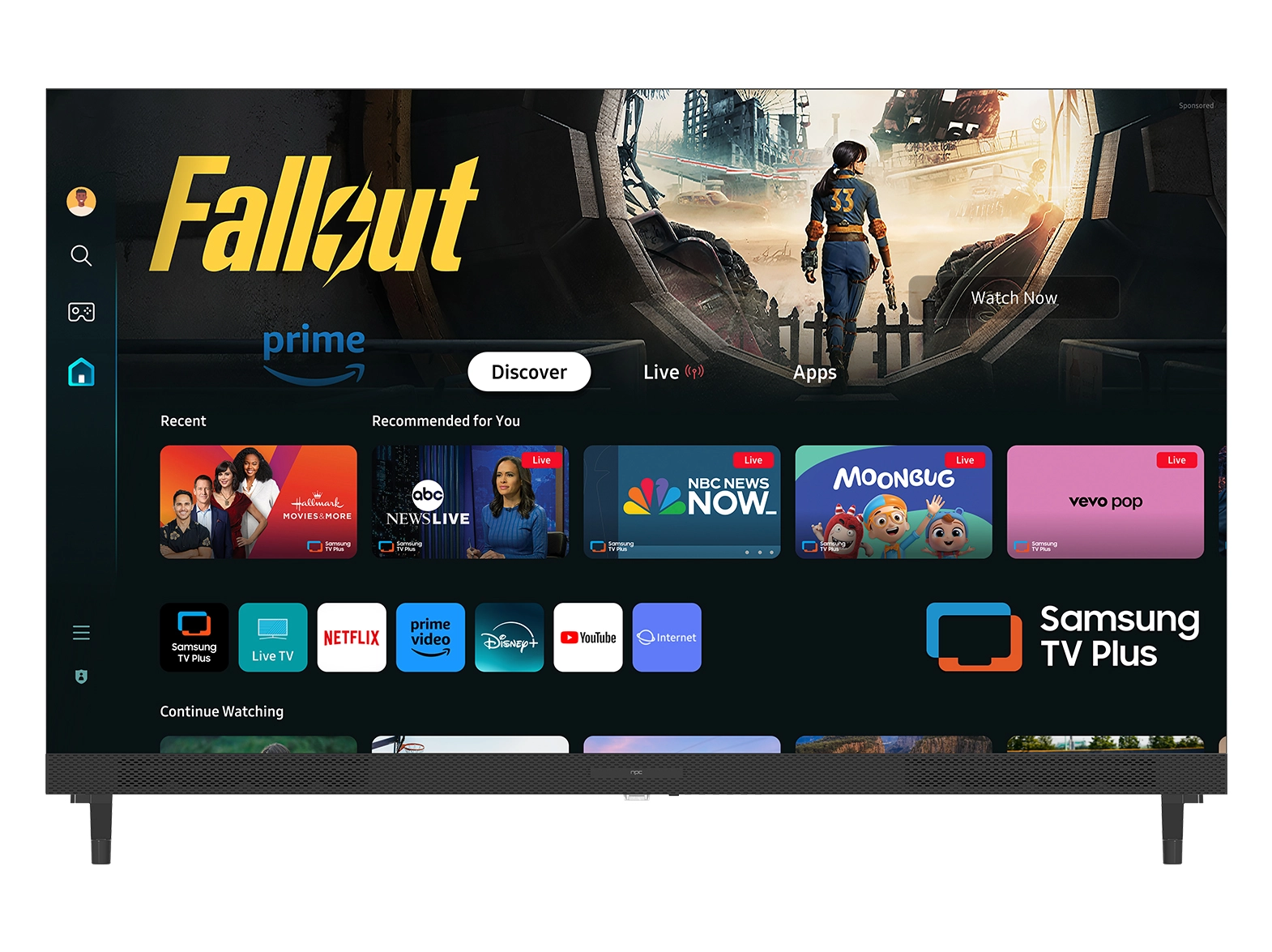




Experiencing a sudden lack of audio from your television can disrupt any viewing session. While often a simple setting is the cause, the issue can sometimes stem from deeper software or hardware interactions. We will examine the logical sequence of steps to diagnose this problem, with particular attention to televisions using the smart OS Tizen, a common platform in modern sets.

Initial System Checks and External Factors
The first step involves inspecting the most immediate potential causes. Verify the television’s volume is not muted or set too low, using both the remote and the physical buttons on the set. Examine all physical connections, ensuring external devices like soundbars, gaming consoles, or cable boxes are securely plugged into the correct ports. It is useful to test different content sources; if sound is absent only on one input, the issue likely lies with that specific device or cable. Furthermore, a power cycle—fully unplugging the television for two minutes—can clear temporary system errors that may affect audio processing. This foundational troubleshooting applies universally, regardless of the underlying smart OS.
Software and Platform-Specific Audio Settings
If basic checks yield no results, the investigation should move to the television’s internal software settings. For models running the Tizen operating system, navigating to the ‘Sound’ or ‘Audio’ menu is essential. Here, confirm that the correct output source is selected, such as ‘TV Speaker’ instead of an external audio system. A common setting that disables internal speakers is ‘Audio Output,’ which may be set to ‘Receiver’ or ‘Optical’ by mistake. Additionally, within the Tizen smart OS, a system update may be pending; outdated software can contain bugs that impact sound functionality. Checking for and installing any available updates can resolve these software-related audio conflicts.
Hardware Considerations and Signal Path Integrity
When software adjustments do not restore sound, potential hardware factors must be considered. The issue could reside with the television’s internal speakers, amplifiers, or mainboard components. Listen closely for any faint audio or distortion, which can indicate a failing speaker. Another test involves using headphones via the TV’s audio jack, if available; if sound is present through headphones, the problem is isolated to the internal speaker system or its connection. It is also pertinent to review the audio format settings. Some external devices may output a sound format, like Dolby Digital, that is incompatible with the TV’s basic decoding capabilities, resulting in silence. Switching the source device to output a PCM or stereo format can test this possibility.
A methodical approach—from connection checks to software navigation and hardware assessment—is the most effective way to isolate why a television has lost its audio. For owners of sets with the Tizen smart OS, paying close attention to the digital audio and output settings within the platform is a critical step. If all self-guided troubleshooting steps are exhausted, the complexity likely lies with internal components requiring professional diagnosis. For users seeking reliable support, our team at NPC specializes in the technical nuances of modern television systems. The expertise at NPC is built on a structured understanding of these devices, and we at NPC are equipped to provide precise diagnostics and repair solutions.


