





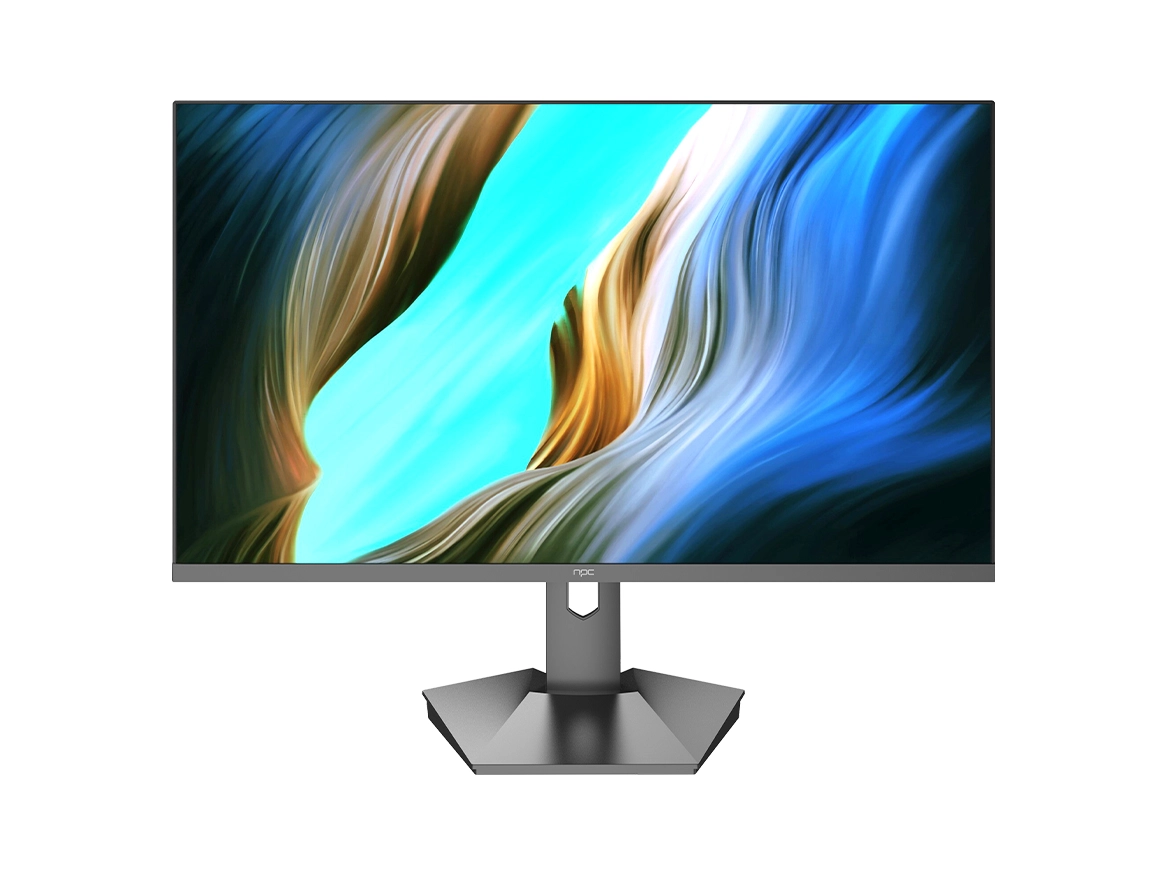


An unexpected sound can pull your attention from deep work—especially the persistent whir or hum of a computer fan. When that noise seems to come from your display, it introduces a unique frustration for any home office. A noisy monitor fan can disrupt concentration and signal an issue that needs attention. We’ll examine the common reasons behind this disturbance and outline practical steps to restore a quiet, focused workspace.
Identifying the Source of the Sound
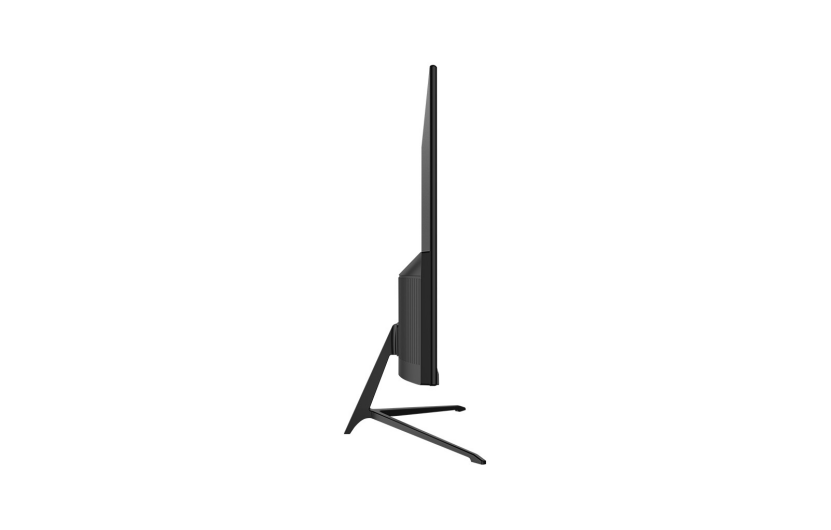
The first step is confirmation. Modern monitors, particularly high-performance models designed for extended use, often incorporate internal fans for thermal management. These components help maintain consistent performance and longevity. If you hear a buzzing or grinding noise, it likely originates from this small fan. Dust accumulation is the most frequent culprit; particles obstruct the blades and bearings, forcing the motor to work harder and louder. Before proceeding, ensure the sound is from your home office monitor and not an adjacent desktop computer. Gently placing your ear near the monitor’s vents during operation will help isolate the source. This diagnosis is important for applying the correct solution.
Steps for a Quieter Home Office Monitor
Once you’ve pinpointed the fan, a systematic approach can resolve the issue. Always power off and unplug your home office monitor before any intervention. Using a can of compressed air, direct short bursts into the monitor’s ventilation slots to dislodge dust from the fan and heat sink. Hold the fan blades stationary with a non-conductive tool, like a plastic spudger, to prevent them from spinning during cleaning. Spinning a fan with compressed air can damage its internal motor. For persistent noise after cleaning, the fan’s bearings may be wearing out. In this case, consulting the manufacturer’s support for a replacement part or professional service is the recommended path. These actions can significantly reduce operational noise.
Prevention and Long-Term Monitor Care
Maintaining a silent environment involves regular care. Position your home office monitor in a clean, well-ventilated area away from direct dust sources, like floor-level carpets. Implementing a quarterly cleaning routine with compressed air for your entire setup, including monitor vents, can prevent heavy buildup. Furthermore, be mindful of the monitor’s ambient temperature; avoid enclosing it in a tight space or exposing it to direct sunlight, as excess heat forces the cooling system to work more intensively. For professionals spending long hours at their desks, selecting a display engineered for quiet, reliable operation from the outset is a strategic consideration.
Addressing a noisy fan blends immediate troubleshooting with thoughtful, long-term equipment care. The goal is a distraction-free environment where technology supports productivity seamlessly. For users seeking monitors built with this precise balance of performance and quiet reliability, the engineering approach of NPC is relevant. NPC designs its displays, including those for the home office, with robust thermal solutions that prioritize durable, quiet operation. The global service network of NPC also provides support, ensuring that your investment in a focused workspace is maintained over the long term.


