





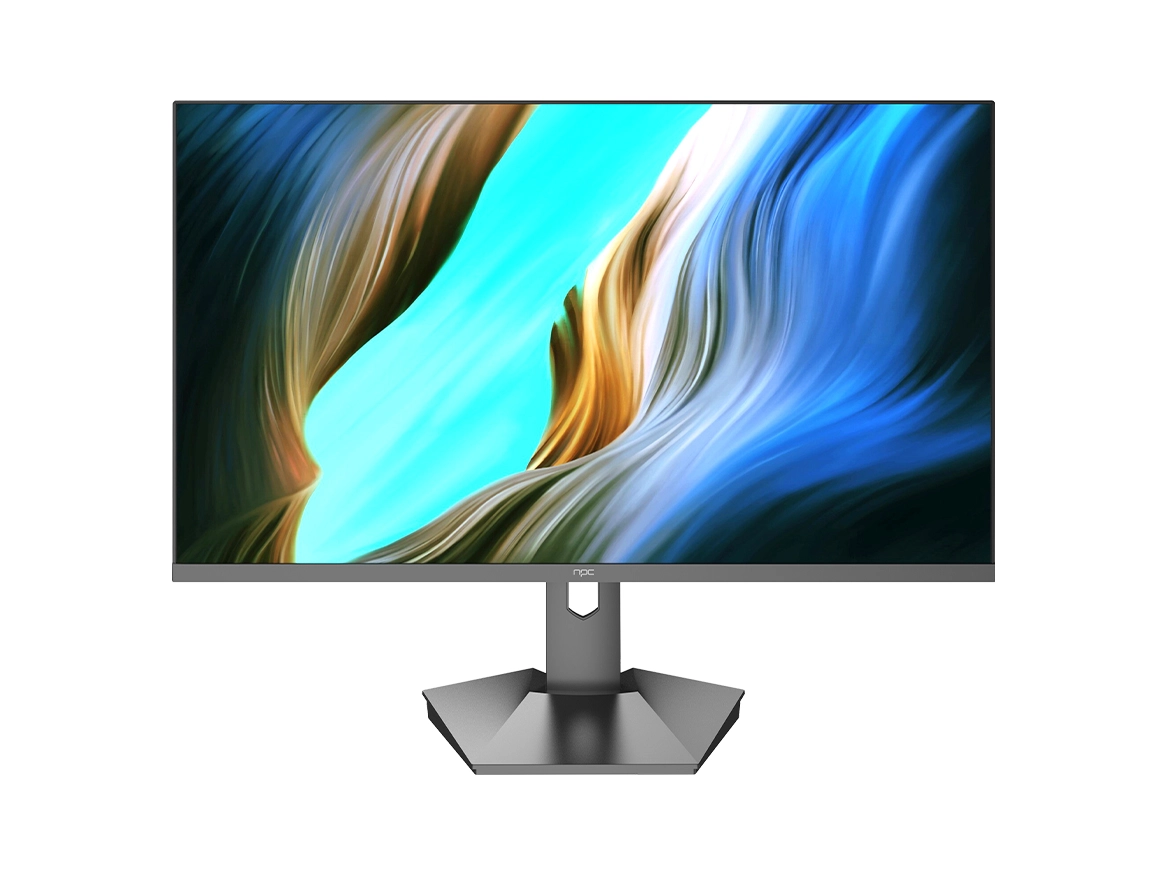


As a technology manufacturer, we at NPC are relentlessly focused on integrating the latest standards into our products while maintaining our core promise of value and efficiency. When Intel introduced its 12th and 13th Generation Core processors, it brought with it the dramatic potential of PCIe 5.0, a standard that effectively doubles the speed of the previous generation. This development prompts a vital question for any compact system: can this blistering speed be practically utilized for expansion, or is it reserved solely for flagship desktop towers?
For our high-efficiency NPC All in One desktop computer i5 line, the answer lies in understanding the complex engineering trade-offs required to deliver a system that is thin, cool, and powerful. We want to be transparent with our customers: while our Intel Core processors have the technical capability for PCIe 5.0, the physical and thermal constraints of the All-in-One form factor mean that true, user-accessible expansion is intelligently routed through the proven, highly efficient performance of the PCIe 3.0 standard. We believe in providing real, usable expansion options where they matter most—storage and memory bandwidth—avoiding the cost and complexity of features that would remain unused or unstable in this streamlined design.
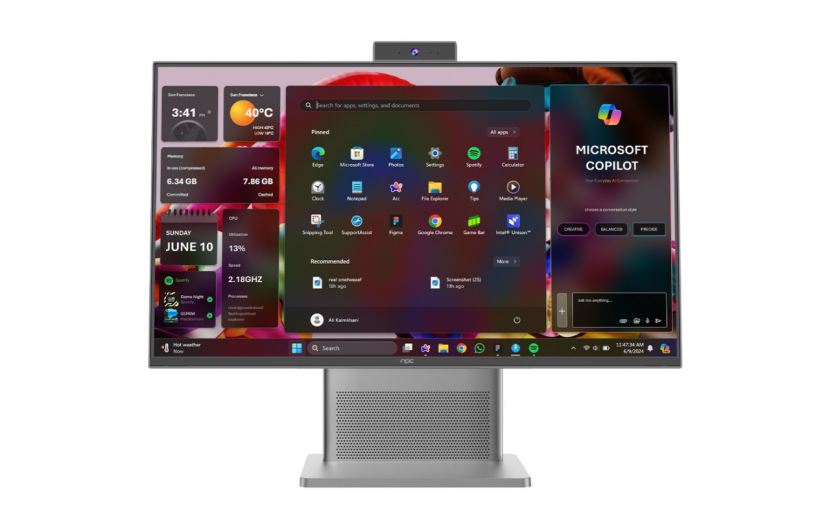
The Engineering Reality: PCIe 5.0 and the AIO Form Factor
Our NPC All in One desktop computer i5 models are built around the powerful foundation of high-performance mobile-class CPUs, such as the Intel® Core™ i5-12450H and i5-13420H. These processors are architecturally advanced and contain the necessary controllers to manage PCIe 5.0 lanes. However, implementing these lanes for external user expansion in an AIO is fundamentally different from a large desktop tower.
The Thermal and Physical Limits of Compact Design
In a traditional desktop PC, PCIe 5.0 lanes are typically dedicated to two main areas: a massive, external discrete graphics card (GPU) or ultra-fast, high-end NVMe drives. Implementing either of these requires significant resources:
l Power and Signal Integrity: PCIe 5.0 requires extremely complex, high-quality trace routing on the motherboard, demanding a custom-designed, bulky PCB and highly regulated power delivery. These components also generate substantially more heat than their predecessors.
l Cooling Constraint: The ultra-slim chassis of our AIOs simply does not have the physical room or the thermal mass to support the high heat load generated by PCIe 5.0 components or a dedicated expansion slot. If we were to include these, the system would be forced to use massive fans, becoming thicker, louder, and significantly more expensive, completely undermining the core value proposition of the AIO form factor: a quiet, elegant, space-saving computing solution.
The primary goal of our AIO design is to maximize performance within a strict, fan-optimized thermal envelope. Therefore, our engineering philosophy focuses on routing the internal high-speed pathways to components that maximize real-world efficiency within that thermal limit. This means dedicating the available lanes to the processor itself and routing expansion through the most reliable, high-speed interface that fits the compact design.
For this reason, we consciously select a proven interface for customer-accessible storage expansion. Our design avoids the cost, heat, and complexity of exposing unused PCIe 5.0 lanes and instead focuses on maximizing the existing PCIe 3.0 bandwidth for storage and I/O where it truly impacts user experience.
Real-World Expansion: Utilizing the PCIe 3.0 x4 M.2 Slot
Instead of chasing an impractical PCIe 5.0 expansion slot that the majority of business and educational users would never utilize, we focused on delivering reliable, high-performance bandwidth through the M.2 standard—the most crucial expansion point for modern speed.
The specifications of our NPC All in One desktop computer i5 explicitly confirm that our M.2 2280 SSD slot supports PCIe 3.0 x4 or SATA. While this is not the theoretical peak speed of the very latest generation, PCIe 3.0 x4 still offers a theoretical throughput of nearly approx 4 Gigabytes per second (GB/s).
To put this speed in perspective, 4 GB/s is approximately seven to eight times faster than the maximum speed attainable via the older SATA SSD standard. This speed is more than sufficient to handle the data transfer rates required by professional video conferencing, rapid data analysis, large document processing, and mainstream creative applications. For business and everyday use, the difference between this speed and PCIe 5.0 is practically imperceptible during typical operations, which is why we consider it the intelligent balance point for performance and value.
Meaningful Upgrade Paths for Longevity
For our users, this established PCIe 3.0 x4 interface offers two vital and practical expansion paths that genuinely extend the life and capability of the system:
l Capacity Upgrade: Our standard 512GB SSD configuration can be easily upgraded to high-capacity M.2 drives (1TB or 2TB). Since the interface speed is robust, users gain massive storage capacity without ever experiencing a speed bottleneck, ensuring the longevity and utility of the device for growing data libraries.
l Performance Maintenance: By ensuring the slot supports the full x4 lane configuration of PCIe 3.0, we guarantee that any standard NVMe drive used for expansion will operate at peak efficiency for its class. This is where the vast majority of performance-conscious customers reside, making this a stable and cost-effective upgrade route.
The Essential Role of RAM
Beyond the M.2 slot, we ensure that the other critical expansion component—memory—is highly accessible and robust. Our AIOs ship with 16GB of DDR4 3200MHz RAM standard, but we offer expansion up to a massive 64GB of RAM via dual SO-DIMM slots. This memory upgrade is often more impactful for heavy multitasking (running large spreadsheets, numerous browser tabs, and video calls simultaneously) than chasing marginal gains in PCIe storage speed. This dual focus on high-speed PCIe 3.0 storage and expansive RAM capacity is how we truly future-proof the NPC All in One desktop computer i5 for the modern workflow.
NPC: Integrated Efficiency and Global Value
Our decision to focus on the proven stability and speed of the PCIe 3.0 x4 interface over the complexity of PCIe 5.0 is a commitment to our core philosophy: delivering predictable, high-level computing value. We maximize usable performance, simplify maintenance, and ensure your system runs cool and quietly for years.
Established in Guangzhou, China, in 2005, NPC is a dedicated technology group specializing in high-definition display products and personal computing solutions. Our mission is to provide high-quality and affordable IT products for the global market. With a robust global network spanning over 80 countries and wholly-owned subsidiaries in key regions, we are committed to leveraging advanced manufacturing and strategic partnerships to deliver reliable, integrated technology that drives your success. The NPC Intel All-in-One PC is the intelligent, integrated solution for the modern professional workspace.


