





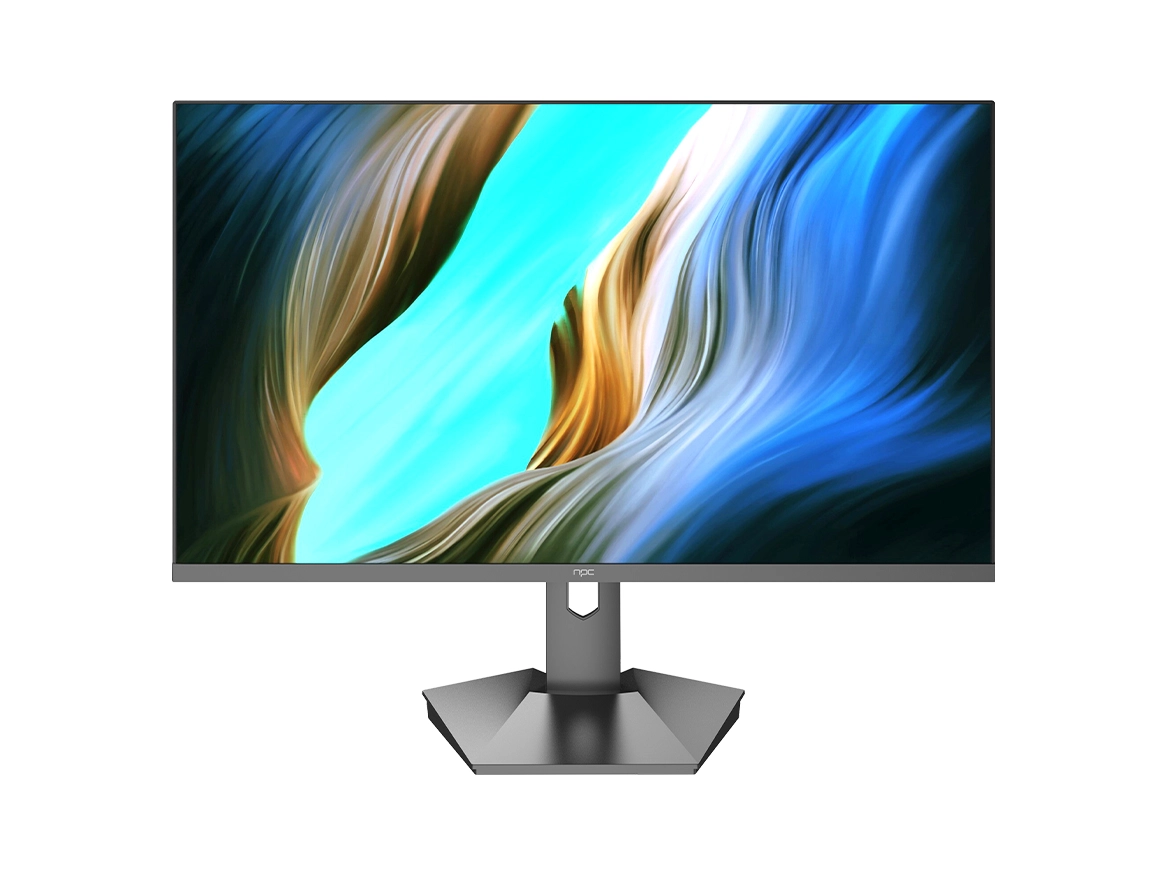


In the world of computing, the Central Processing Unit (CPU) stands as a critical component that dictates how efficiently a system operates. Known as the brain of the computer, the CPU executes instructions from programs, processing data and handling tasks at high speeds. For anyone considering a powerful setup, particularly with a PC all in one Core i5 system, understanding the CPU's role is essential.

What is a CPU?
A CPU is a complex microprocessor designed to perform calculations, execute instructions, and manage the flow of information within a computer. It consists of several cores, each acting as an individual processing unit. Each core can handle processes independently, allowing for multitasking and improved performance. Modern CPUs, such as the Intel® Core™ i5 series, feature multiple cores, which enable efficient multitasking across many applications.
CPUs operate on a fundamental principle known as the fetch-decode-execute cycle. In this cycle, the CPU fetches an instruction from memory, decodes it to understand the required action, and then executes the instruction. This cycle occurs millions of times per second, making a capable CPU essential for running software applications smoothly. The combination of processing power and efficiency is particularly important for all-in-one PCs with Core i5 systems, which combine performance with a compact design.
How Does a CPU Function?
The functioning of a CPU can be further understood by breaking down its architecture. It typically includes several key components: the Arithmetic Logic Unit (ALU), Control Unit (CU), and registers.
Arithmetic Logic Unit (ALU): This component performs all arithmetic calculations and logical operations, playing a vital role in executing the CPU’s instructions.
Control Unit (CU): The CU directs the operations of the processor by interpreting instructions, managing data, and coordinating how the CPU communicates with other components within the system.
Registers: These are small, high-speed storage locations within the CPU that hold temporary data and instructions currently being processed.
When integrated into an all-in-one PC with a Core i5 CPU, these components collaborate to enhance performance, ensuring that tasks ranging from simple computing chores to complex graphics rendering are handled efficiently.
Importance of the CPU in Modern Computing
The CPU is fundamental to the overall performance of a computer. It influences not just the speed of application execution but also the ability to multitask and handle sophisticated software solutions. For example, in a business environment where quick access to data, seamless application operation, and multitasking are crucial, a robust CPU, especially one like the Intel® Core™ i5-12450H, becomes indispensable.
In gaming and content creation, the demands on the CPU are even greater. An all-in-one PC equipped with a capable Core i5 CPU can support enhanced graphics and smoother gameplay, contributing to a more immersive user experience. Moreover, the processing power of modern CPUs ensures that applications can run more efficiently, contributing to lower power consumption and increased productivity.
The Role of NPC in Modern Computing Solutions
At NPC, we recognize the vital role a CPU plays in computing and prioritizes quality and performance in every product. The NPC PF2402-M, featuring the Intel® Core™ i5-12450H, exemplifies our commitment to delivering powerful and efficient computing solutions tailored to meet diverse user needs. Whether it’s for home use or the office, we offer advanced technology that enhances your computing experience.
In summary, the CPU is more than just a technical component; it is the driving force behind your computer’s capabilities. Understanding its functionality helps users appreciate the value of investing in robust systems like those offered by NPC, where performance and innovation converge in a sleek design.


