






When it comes to smart TVs, the operating system plays a crucial role in defining user experience and accessibility. As consumers increasingly opt for larger displays, the demand for a 100 inch smart TV that offers diverse application options is on the rise. This article delves into the distinctive features of app stores across various TV operating systems, focusing on how these differences impact consumer choices and usability.

The Variety of App Ecosystems
Different TV operating systems come with their unique app ecosystems that cater to various user preferences. For instance, platforms like Android TV, Roku, and Samsung Tizen OS each offer distinct catalogs of applications.
Android TV boasts a vast library due to its integration with Google Play, allowing users to download a wide range of applications, from streaming services to games. This flexibility appeals to tech-savvy consumers who prioritize customizing their viewing experience.
Roku, known for its simplicity, centralizes all streaming services in one place, making it a popular choice for users who want a straightforward interface. However, its app selection may not be as expansive as Android TV.
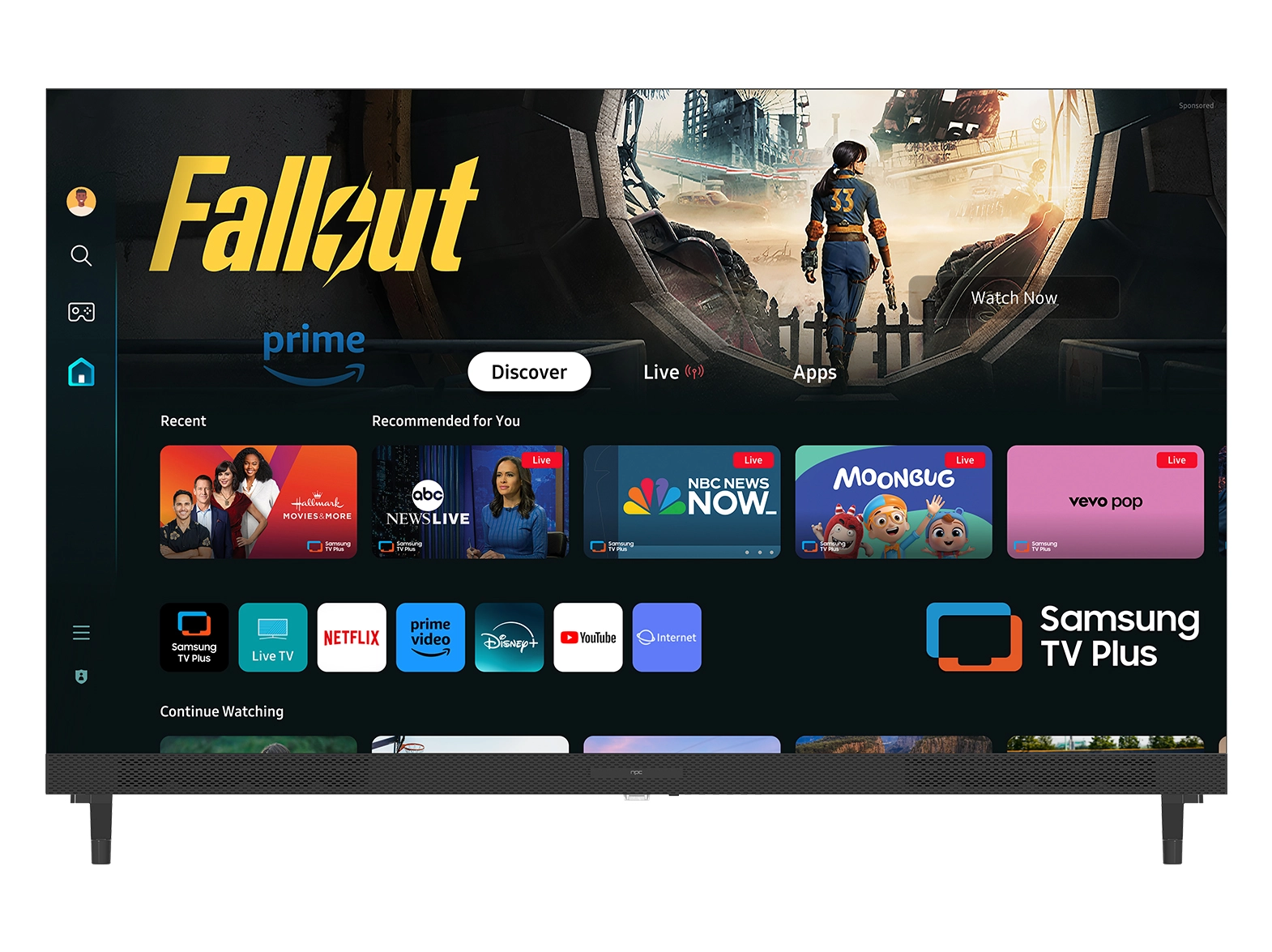
Samsung's Tizen OS offers unique advantages such as seamless integration with other Samsung devices such as seamless integration with other Samsung devices and immediate access to platforms like Netflix, YouTube, and Samsung TV Plus. This characteristic is particularly attractive to consumers looking for a connected smart home experience.
User Interface and Experience
The user interface (UI) of app stores can significantly affect how users interact with their 100-inch smart TV. A well-designed UI enhances workflow and makes navigation intuitive. For example, Tizen OS emphasizes ease of use, offering a clean layout that allows viewers to access their favorite content quickly. The NPC-100V9G leverages this streamlined interface to ensure users can enjoy vast content offerings without hassle.
Android TV, on the other hand, provides customizable options, allowing users to organize applications according to their preferences. Meanwhile, Roku maintains a simplistic UI that is easy for all ages to navigate, which is beneficial for families looking for shared viewing experiences.
Content Availability and Updates
Content availability is a crucial factor when comparing app stores across different operating systems. Notably, Samsung Tizen OS frequently updates its app offerings, ensuring that users receive the latest streaming services and apps, which enhances the overall value of owning a 100 inch smart tv. This is particularly evident with the NPC-100V9G, which features pre-installed access to popular apps and hundreds of free channels through Samsung TV Plus.
In contrast, other operating systems may lag in app updates, or in the availability of popular services that some users expect. This discrepancy can impact customer satisfaction, especially for those who wish to leverage the capabilities of their massive displays for the latest trends in entertainment.
The Path Forward in Smart TV Experiences
As smart TVs become more integrated into daily life, understanding the differences in app stores among various operating systems is essential. Choosing a 100 inch smart TV involves considering not just the size and technology but also the app ecosystem that comes with it.
NPC’s commitment to enhancing home entertainment through the NPC-100V9G aligns with a trend towards comprehensive app accessibility. This device, powered by Samsung Tizen OS, represents a promising choice for consumers who seek a rich media experience. As app stores evolve, companies like NPC will continue to address the needs of consumers, ensuring that modern smart TVs remain at the forefront of digital entertainment.


