






When it comes to immersive visuals, screen ratio plays a defining role in how users experience gaming, productivity, or entertainment. In recent years, the debate between 32:9 super ultrawide monitors and 21:9 ultrawide displays has become increasingly relevant for those who seek an expansive field of view. As a brand committed to enhancing user experience, we at NPC explore how much width truly matters and what type of display delivers the ideal balance of comfort, performance, and affordability—especially for those looking for affordable gaming monitors that don’t compromise on quality.
Understanding the Visual Impact of 32:9 and 21:9 Displays
The 32:9 aspect ratio provides an unmatched panoramic view, essentially combining two 16:9 monitors side by side. This configuration benefits simulation gamers, video editors, and multitaskers who prefer maximum horizontal workspace. Meanwhile, 21:9 screens offer a slightly narrower but still cinematic experience, which can be more compatible with everyday desks and standard content formats. Both screen types have unique advantages, but the ultimate choice depends on space availability, preferred gaming style, and visual comfort.
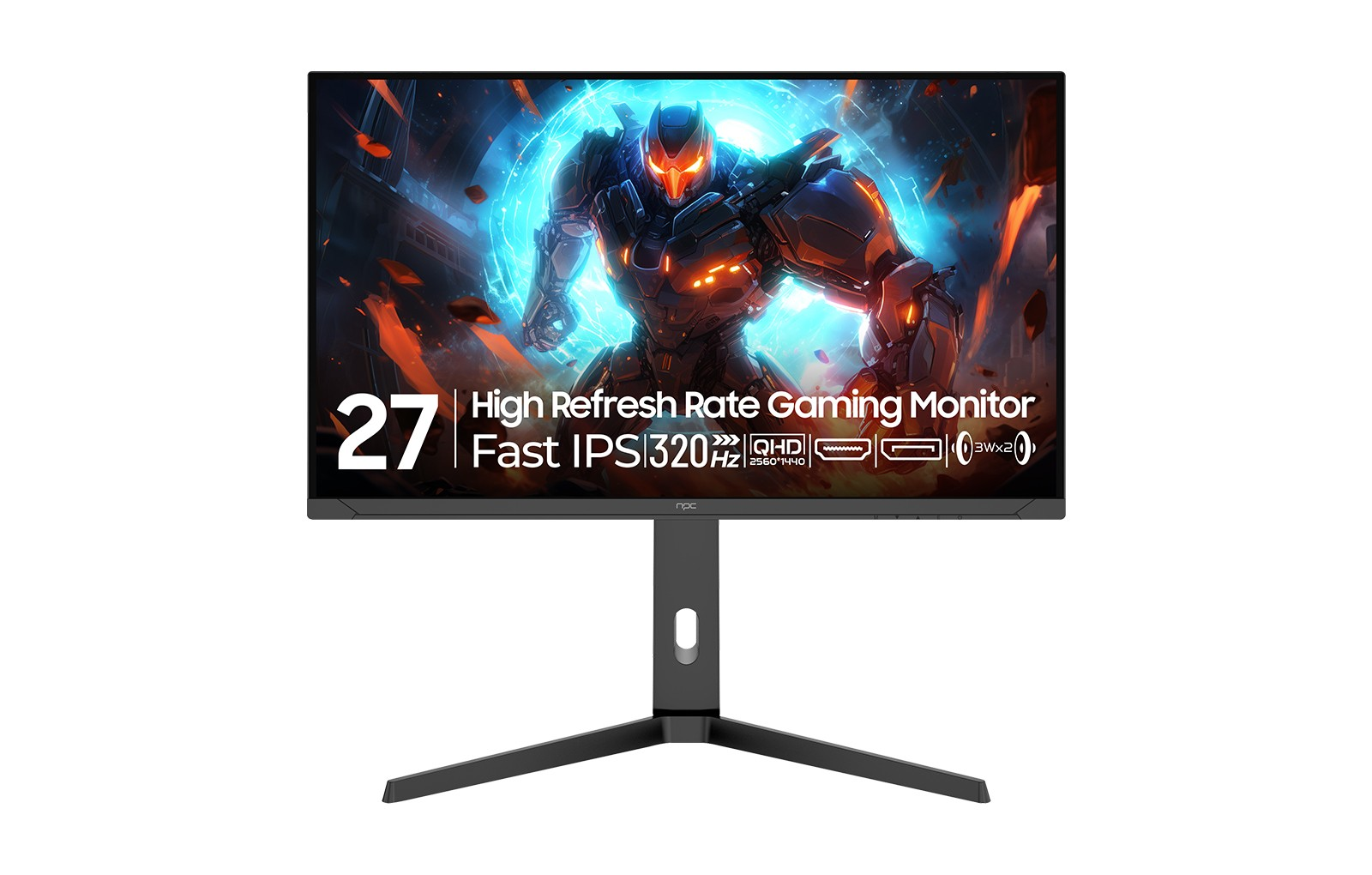
At NPC, we understand that the gaming experience is not only about size but also about performance consistency. Monitors like the NPC-MZ2733-R with a fast IPS panel and QHD (2560×1440) resolution deliver vivid clarity and accurate color reproduction, ensuring that the user enjoys a wide viewing angle without visual distortion. For gamers searching for affordable gaming monitors, these specifications ensure smooth visuals without excessive cost.
Finding the Right Balance Between Functionality and Practicality
While a 32:9 super ultrawide screen offers impressive immersion, it can be challenging for smaller setups or multitasking that involves vertical space. The 21:9 ratio, on the other hand, often strikes a better balance between immersion and practicality. This makes it more suitable for users who switch between gaming, office work, and media consumption.
We at NPC often recommend that before choosing between 32:9 and 21:9, users evaluate their space, connectivity needs, and game preferences. Many gamers discover that affordable gaming monitors with QHD resolution and adaptive sync technology already provide all the visual benefits they need—without requiring oversized setups or premium pricing. Our design philosophy centers around blending visual comfort with performance stability, making sure the user’s attention stays on the game, not the hardware limitations.
Conclusion: Expanding the Viewing Experience with NPC
Ultimately, “how much width is too much” depends on the balance between user comfort and intended use. While 32:9 monitors deliver an impressive, theater-like experience, 21:9 models remain the practical choice for mixed-use environments. We at NPC strive to make this decision easier by offering affordable gaming monitors that integrate fast IPS panels, accurate color performance, and ergonomic design.
With years of experience in display technology, NPC continues to create advanced yet accessible monitors that meet both gaming and professional needs. Our NPC-MZ2733-R model exemplifies our dedication to clarity, responsiveness, and refined color representation. Whether for competitive gaming or immersive storytelling, we design every screen to enhance how users see and interact with their digital world—because for us, display innovation is not just about width, but about delivering visual comfort that fits every lifestyle.


