


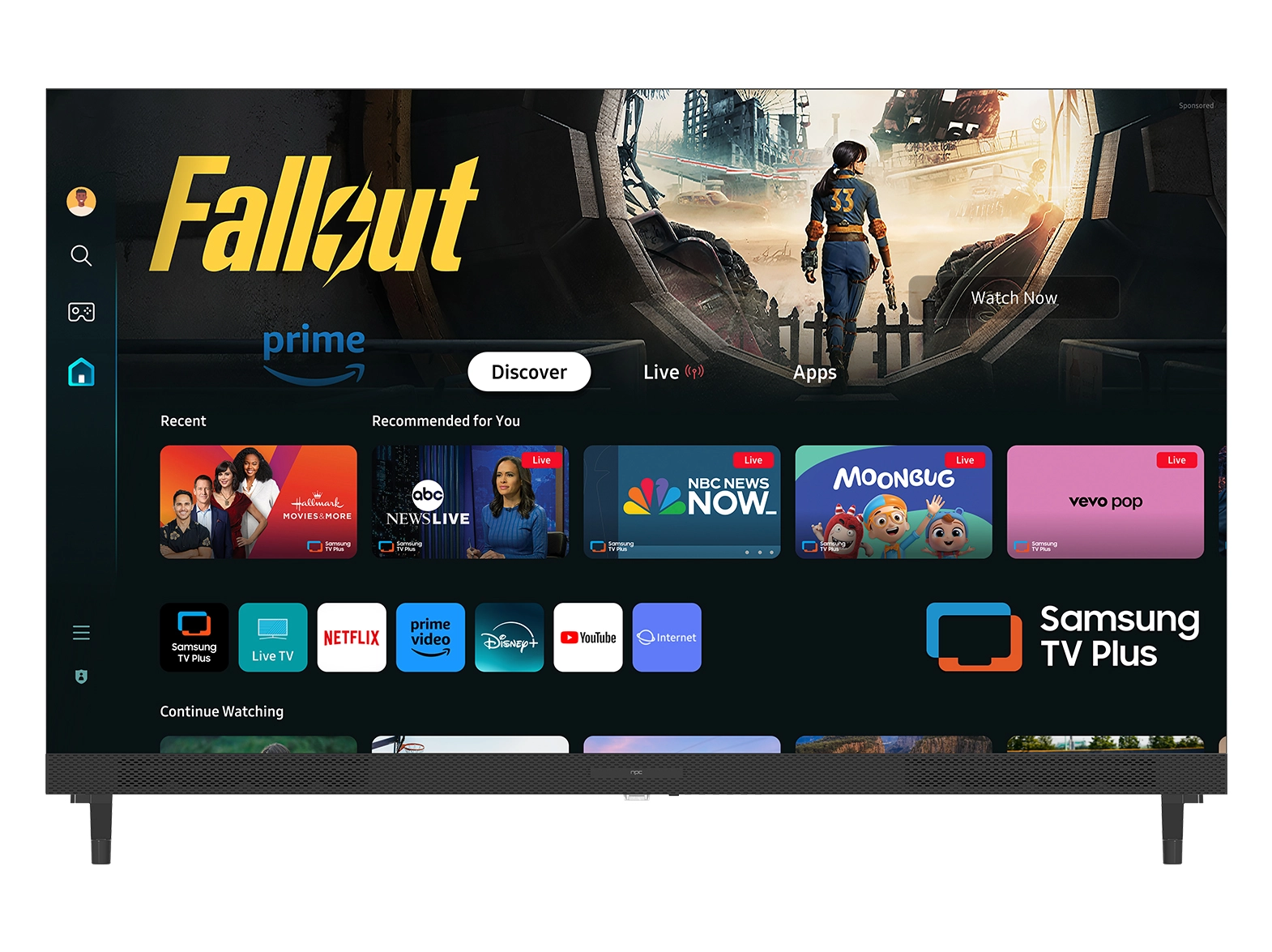


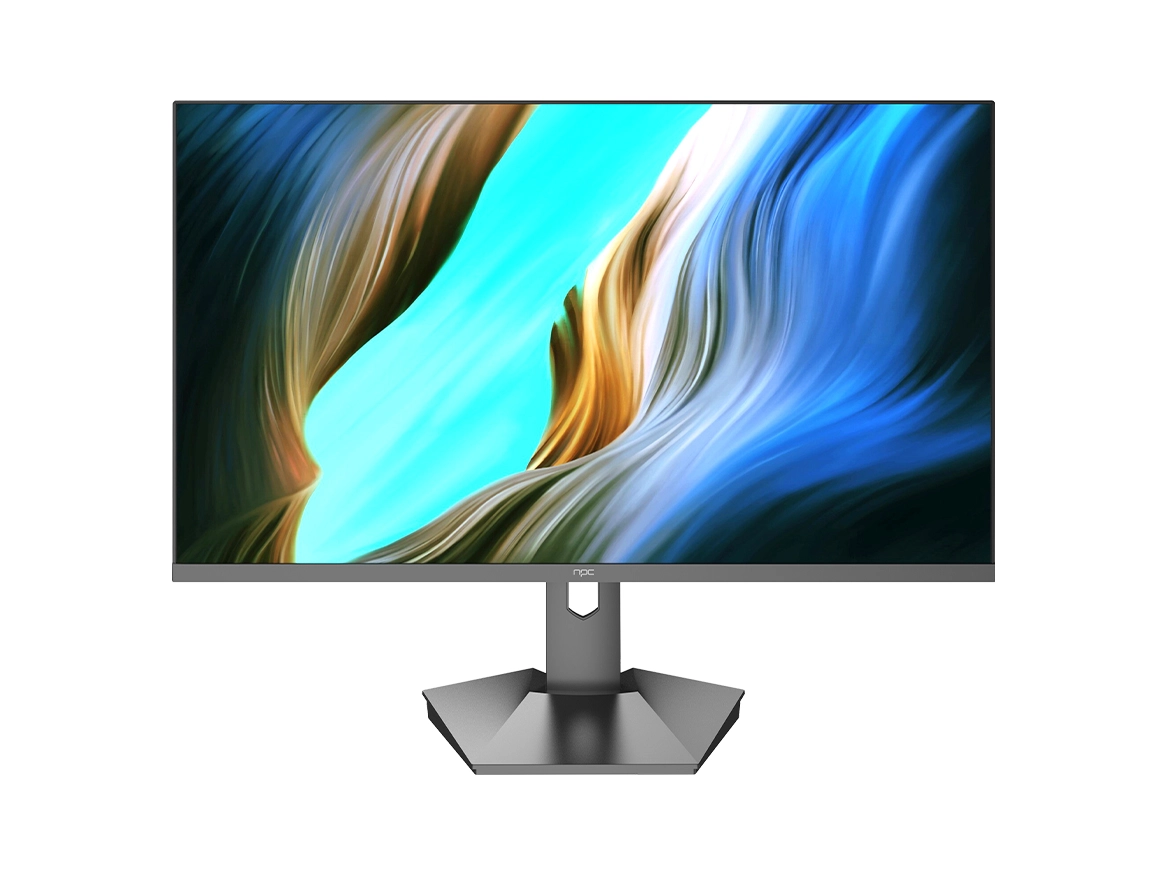


In today’s home entertainment environment, achieving comfortable viewing conditions is essential. One feature that significantly enhances user experience is the ambient light sensor in smart TVs. As we at NPC understand, this technology allows your television to automatically adjust brightness and contrast based on the surrounding lighting conditions, ensuring optimal visibility while reducing eye strain. Modern smart TVs equipped with Tizen OS for TV integrate this sensor seamlessly, making it easier for viewers to enjoy high-quality content regardless of the time of day.

How Ambient Light Sensors Work
Ambient light sensors detect the intensity of light in the room and communicate this data to the TV’s processing unit. On devices running Tizen OS for TV, the system analyzes this information in real-time and adjusts display parameters such as brightness, contrast, and sometimes even color temperature. For instance, in a dimly lit room, the screen will automatically reduce brightness to prevent glare, while in a bright environment, it will increase brightness to maintain clarity. This adaptive approach enhances the viewing experience and makes content more immersive. For viewers who appreciate a balance between picture quality and eye comfort, this feature is particularly valuable.
Benefits of Adaptive Lighting in Smart TVs
Integrating Tizen OS for TV with ambient light sensing offers several advantages. Adaptive lighting not only improves visibility but also contributes to energy efficiency by reducing unnecessary power consumption. Additionally, it enhances long-term comfort during extended viewing sessions, which is especially important for households where TV usage varies throughout the day. Users who wish to combine smart performance with visual comfort often choose to buy smart TVs that feature advanced sensors and adaptive display technologies. For example, our NPC-70N21 is a UHD Smart TV with Samsung Tizen OS, QLED D-LED display technology, HDR compatibility, and multiple picture modes, providing excellent adaptability to different lighting environments.
Optimizing Your Viewing Experience
When using a TV equipped with an ambient light sensor, it’s important to consider room setup and positioning. Placing the TV away from direct sunlight or reflective surfaces allows the sensor to operate more accurately. On Tizen OS for TV, users can also customize settings such as picture mode, color temperature, and energy-saving levels to further refine the display according to personal preferences. The combination of intelligent software and high-quality hardware ensures that viewers experience consistent image quality, whether watching movies, streaming shows, or playing games.
Conclusion
In summary, ambient light sensors play a key role in making smart TVs more user-friendly and visually comfortable. With Tizen OS for TV, adaptive brightness and contrast adjustments become seamless, enhancing both picture quality and viewing comfort. At NPC, we are committed to providing smart TV solutions that combine cutting-edge display technologies with practical features for everyday use. Our NPC-70N21 model, with UHD resolution, HDR support, and multiple connectivity options, demonstrates how advanced hardware and software work together to create an engaging, comfortable viewing experience. For those looking to buy smart TVs that adapt intelligently to room lighting, NPC offers reliable products designed to meet both home and professional needs.


