





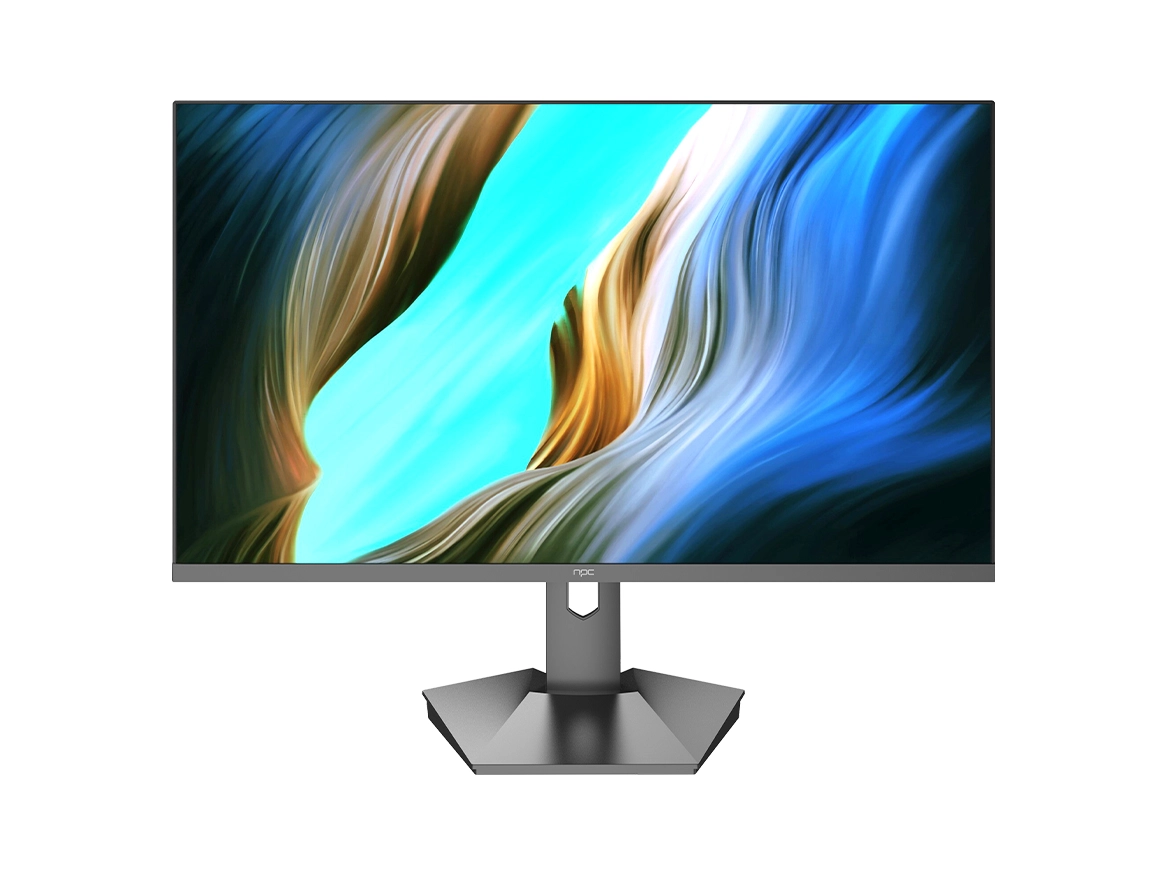


When working with CAD applications, selecting the right monitor is essential for productivity and precision. At our company, we have consistently evaluated how display size and resolution impact workflow efficiency. We have found that professional monitors for photography can offer valuable insights even in CAD environments, as they emphasize accurate color reproduction, fine detail visibility, and consistent performance across the entire screen. Considering these factors helps us guide clients in making informed purchasing decisions for their workstations, ensuring that engineers, designers, and drafting specialists can maintain accuracy without straining their eyes.

Balancing Screen Size and Detail
Screen size plays a critical role in CAD design tasks. Larger displays allow engineers and designers to view complex schematics without excessive scrolling, which enhances overall workflow efficiency. However, size alone is not enough. When we select professional monitors for photography, we also examine pixel density and resolution to ensure that fine lines, textures, and annotations remain clear. In our experience, a display that balances physical dimensions with a high pixel count enables users to work comfortably for extended periods while maintaining precision. For CAD professionals, this means that every measurement and detail is visible without constant zoom adjustments, which streamlines the design process and reduces the chance of errors.
Resolution and Accuracy in CAD Work
High resolution is particularly important for CAD applications, where precision can affect design outcomes. We notice that professional monitors for photography often incorporate higher resolutions and accurate color rendering, which translates well into CAD usage. This allows users to distinguish subtle differences in lines, textures, and shading, which is essential for technical drawings and 3D modeling. Additionally, we consider factors such as contrast ratios, refresh rates, and panel uniformity. A monitor that provides consistent brightness and color across its surface helps prevent visual fatigue and ensures that collaborative teams working on detailed projects can maintain a uniform view of their designs.
Practical Considerations for Procurement
For businesses purchasing in bulk, understanding these technical factors is key. Our clients, including distributors, trade partners, and large brand OEMs, benefit from solutions that combine performance and practicality. By recommending professional monitors for photography as a benchmark, we help clients identify products that meet both visual fidelity and ergonomic requirements. This approach simplifies procurement decisions and ensures that the purchased displays support long-term operational efficiency, whether used in office environments, design studios, or manufacturing planning spaces.
Conclusion
In conclusion, understanding the interplay between screen size and resolution is vital when selecting monitors for CAD tasks. Our experience shows that professional monitors for photography can serve as a model for choosing displays that combine visual clarity, color accuracy, and appropriate dimensions. With NPC, we provide reliable, high-performance monitors and desktops tailored for professional applications, supporting a range of business needs while ensuring efficiency, precision, and adaptability in every workstation setup. By focusing on these factors, we help our B2B clients, including distributors and OEMs, achieve consistent results and maintain high productivity standards across all projects.


