




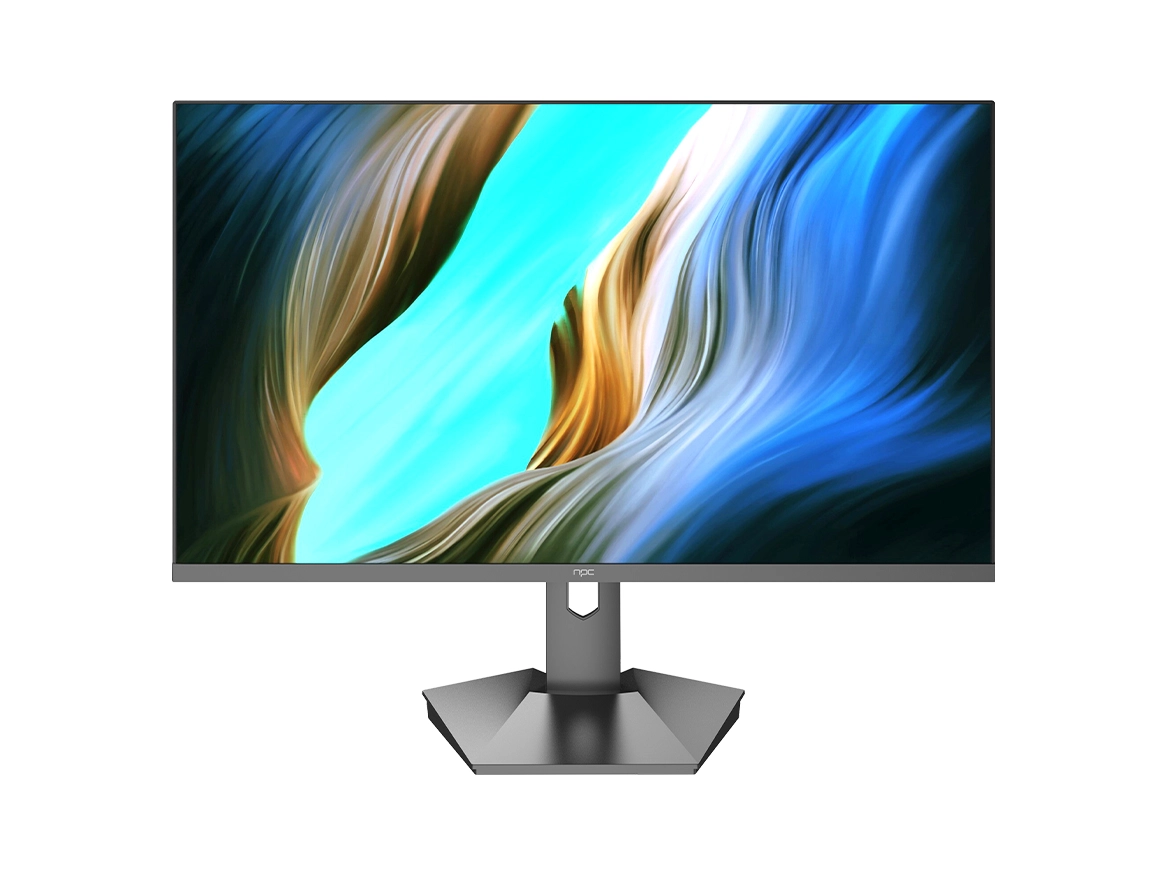


When we discuss display technology with our partners, one topic that often arises is screen flicker caused by PWM, also known as pulse-width modulation. Many customers using a home office monitor are sensitive to this effect, especially when they spend long hours in front of the screen. At NPC, we believe it is important to explain how PWM works, why flicker occurs, and how buyers can make informed choices when considering monitors for work or professional applications.
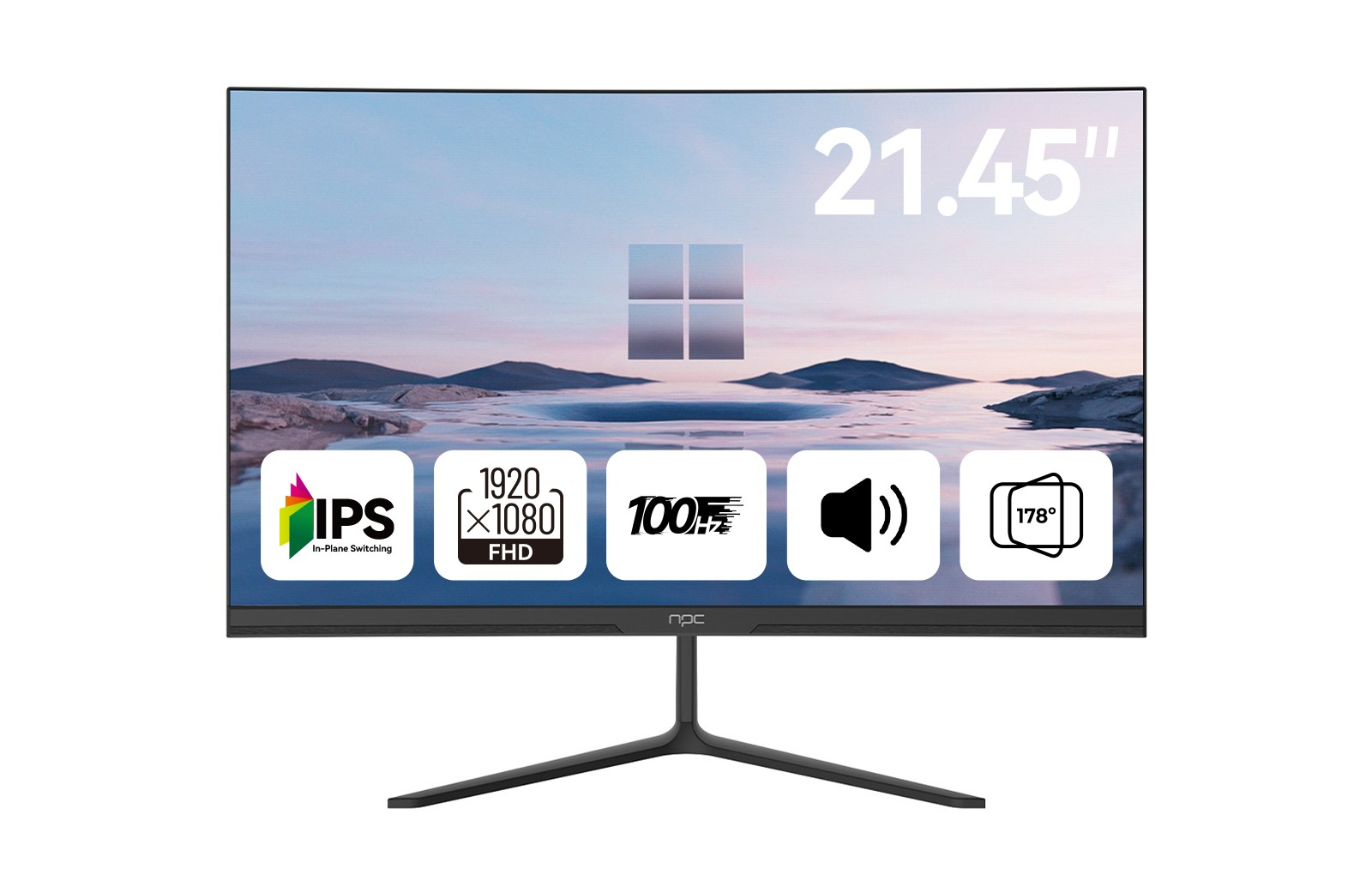
Understanding PWM in Monitors
PWM is a method used to control brightness in LED displays. Instead of supplying a constant current to the backlight, the system rapidly turns the light on and off at a specific frequency. By adjusting the ratio of “on” to “off” time, the screen appears dimmer or brighter to the human eye. While this approach is efficient, the downside is that users may perceive flicker if the frequency is too low. For individuals using a home office monitor, this flicker can lead to eye strain, headaches, or general discomfort during extended use.
How Screen Flicker Affects Work
In environments where people rely on their displays for productivity, flicker is not just an inconvenience—it can directly impact performance and well-being. Those working with documents, spreadsheets, or graphics on a home office monitor need stable visuals for accuracy and comfort. Even if flicker is not consciously visible, the repetitive light fluctuations can cause fatigue over time. This is why more buyers today are paying attention to flicker-free certifications and high-frequency PWM or DC-dimming solutions. At NPC, we have noticed this growing demand and consider it a core requirement in product development.
Practical Considerations for Buyers
For wholesale partners, resellers, and brand procurement teams, understanding PWM is valuable because it helps match the right display to the right market. Some customers may not be sensitive to flicker, while others prioritize low-eye-strain features as a key selling point. When evaluating a home office monitor, asking whether it uses DC dimming or high-frequency PWM can be an important step in ensuring long-term customer satisfaction. This type of attention to technical detail allows partners to build stronger trust with end users and avoid unnecessary returns or complaints.
Conclusion
As a manufacturer with years of experience in display solutions, NPC designs and supplies a wide range of monitors, televisions, and projectors that meet international standards for performance and comfort. We provide OEM and ODM services tailored for global distributors, wholesalers, and brand buyers who need reliable products for their markets. Our home office monitor series is developed with attention to eye comfort, durability, and flexible customization. By working with NPC, clients gain a trusted partner who combines manufacturing strength with a clear understanding of professional user needs.


