





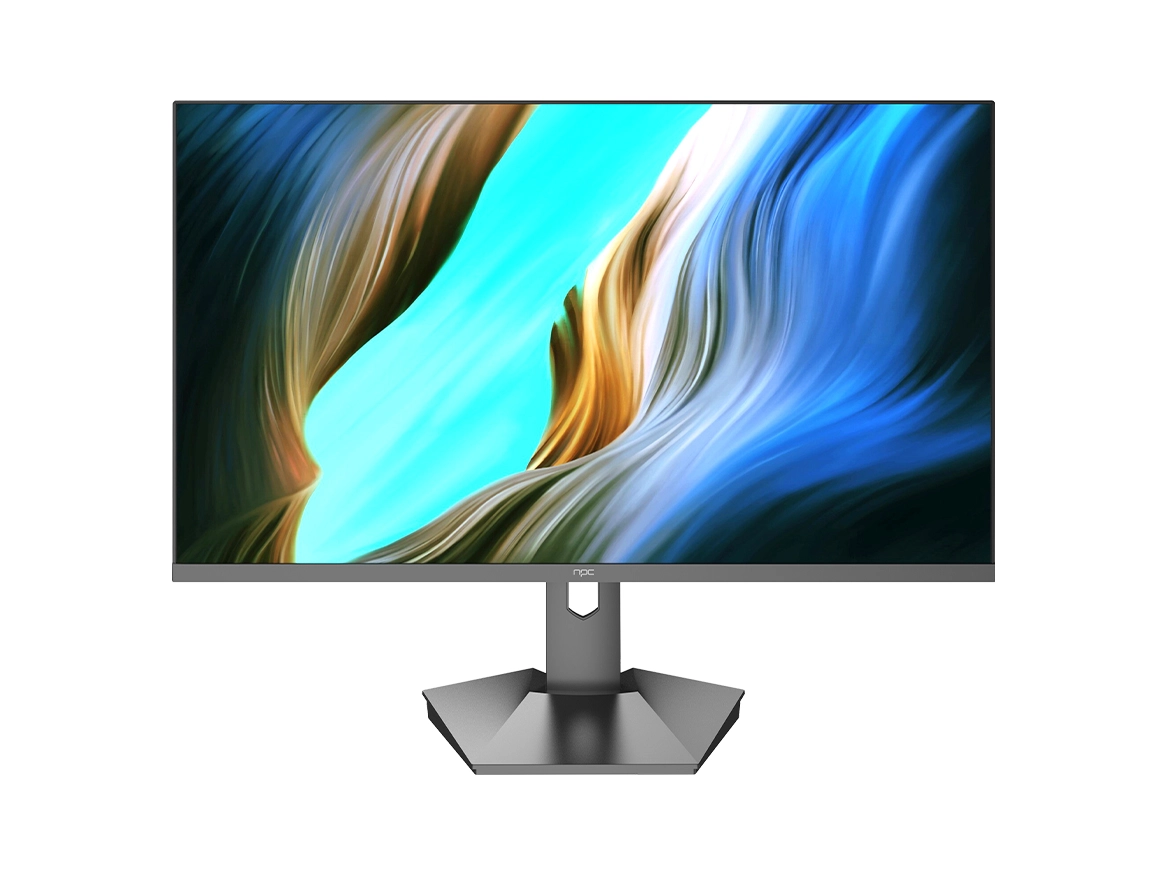


Considering the critical role thermal management plays in modern computing, we often guide our partners on the factors that influence processor performance in all-in-one systems. The interaction between Intel Turbo Boost technology and the cooling solution in an all in one desktop i5 is a key determinant of sustained performance, especially for demanding applications. This article breaks down how effective cooling mechanisms enable Turbo Boost to function optimally, ensuring that end-users experience the full potential of their devices. We will explore this relationship using insights from our own engineering practices, particularly with models like the NPC PF2703-M, which incorporates Intel's latest processor advancements.
Understanding Intel Turbo Boost Technology
Intel Turbo Boost is essentially a performance enhancement feature that dynamically increases the processor's clock speed beyond its base frequency when thermal and electrical conditions allow. This "performance amplification trick," as highlighted in Intel's 12th generation processors, relies on an updated core architecture that iteratively improves efficiency. For an all in one desktop i5, this means the processor can freely release powerful performance during intensive tasks such as 3D rendering or game entertainment, completing them smoothly without manual intervention. The technology ensures that the all in one desktop i5 adapts to workload demands, but it requires a robust cooling system to maintain these higher speeds without overheating. We integrate this understanding into our product designs to ensure reliability for your clients.
The Importance of Cooling in All-in-One Systems
In the compact form factor of an all in one desktop i5, effective cooling is paramount because limited space can lead to heat buildup, which may trigger thermal throttling and reduce Turbo Boost efficacy. Unlike traditional desktops, AIO units have integrated components where heat dissipation must be carefully engineered to avoid performance drops. A well-designed cooling system, often involving heat pipes and quiet fans, ensures that the processor remains within optimal temperature ranges, allowing Turbo Boost to operate consistently. This is why we emphasize thermal management in our NPC products; for instance, the strategic placement of vents and heat sinks in our all in one desktop i5 models helps maintain stability during prolonged use, which is crucial for B2B clients who value durability.
NPC's Design Innovations for Enhanced Performance
Our NPC PF2703-M model exemplifies how thoughtful design supports both performance and user comfort. It features multi-directional adjustment, allowing the screen to tilt, pivot, swivel, and move up and down by 11cm, which not only enhances ergonomics but also can aid in airflow management by enabling flexible placement for better ventilation. This adjustability, combined with the Intel 12th generation processor's capabilities, ensures that the all in one desktop i5 operates efficiently all day long, making work more productive without compromising on cooling. By prioritizing such integrations, we help our partners offer products that deliver consistent Turbo Boost performance, meeting the needs of wholesalers and OEMs seeking reliable solutions for their customers.
Conclusion
The synergy between Intel Turbo Boost and AIO cooling is a vital consideration for anyone in the B2B space dealing with all-in-one computers. Proper thermal design ensures that processors like the i5 can leverage their full potential, leading to higher customer satisfaction. At NPC, we focus on creating products like the PF2703-M that balance advanced features with practical cooling solutions, providing a competitive edge for your inventory. As a trusted supplier, we invite you to explore our range of all in one desktop i5 units, designed to meet the rigorous demands of traders and OEMs alike, ensuring performance that drives business growth.


