


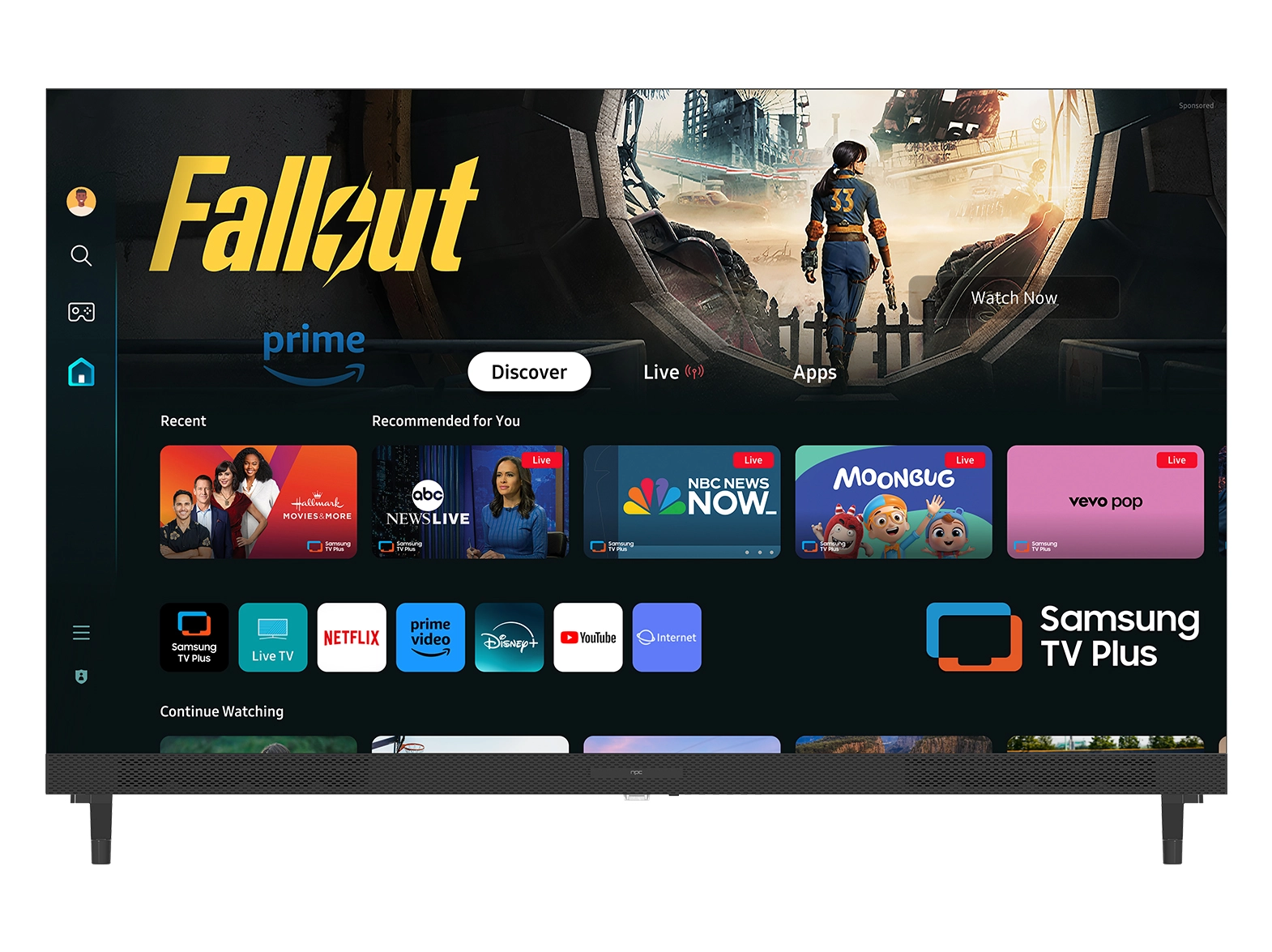


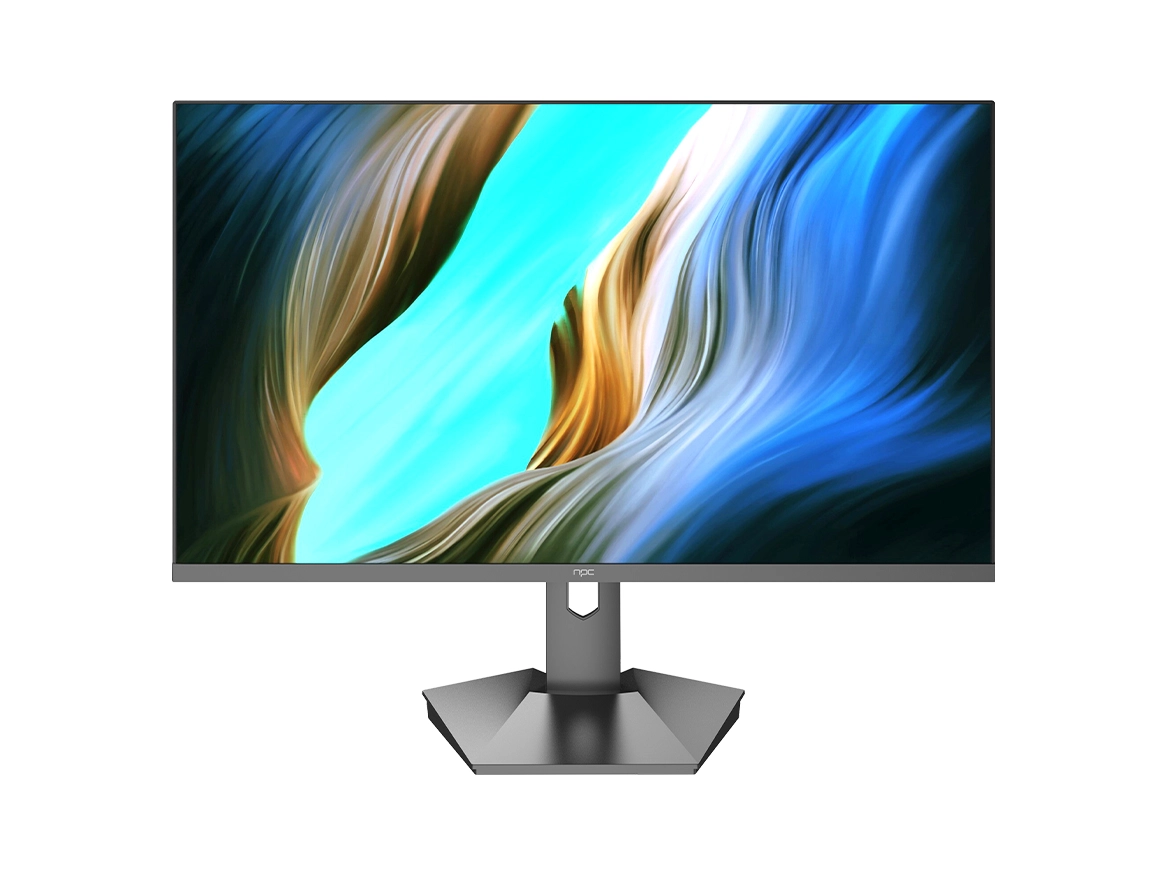


In the realm of display technologies for large-scale screens, distinguishing between QLED, OLED, LED, and D-LED is essential for businesses like ours at NPC, especially when catering to wholesalers and traders focused on products like the 100-inch smart TV. These technologies form the backbone of modern viewing experiences, impacting factors such as picture quality, energy efficiency, and suitability for various applications. For partners dealing in all-in-one computers, monitors, and similar devices, understanding these differences can enhance product positioning and customer guidance. This article will break down each technology, highlighting key characteristics and how they relate to advanced displays, including our own offerings.
Core characteristics of LED and D-LED displays
LED and D-LED are often discussed together, as both rely on light-emitting diodes for backlighting in LCD panels. LED TVs typically use edge-lit systems, where diodes are placed along the edges of the screen, allowing for thinner designs. This can be advantageous for a 100-inch smart TV aimed at sleek, modern installations. In contrast, D-LED, or Direct-Lit LED, positions diodes directly behind the entire screen, providing more uniform brightness and better local dimming capabilities. This makes D-LED a robust choice for larger formats, such as a 100-inch smart TV, where consistent illumination is crucial for wide viewing angles. While both technologies offer excellent brightness and longevity at competitive costs, D-LED often excels in reducing light bleed, which is a key consideration for home theaters or commercial settings. We at NPC recognize that these options provide a solid foundation for entry-level to mid-range displays, balancing performance and affordability for our B2B clients.
Advancements in OLED and QLED technologies
OLED and QLED represent significant steps forward in display innovation, each with distinct advantages. OLED, or Organic Light-Emitting Diode, features self-emissive pixels that can turn on and off individually, resulting in perfect black levels and infinite contrast ratios. This technology is ideal for high-end applications where image depth and color accuracy are priorities, though it may be less common in very large formats like a 100-inch smart TV due to cost constraints. On the other hand, QLED, or Quantum Dot LED, enhances traditional LED backlighting with a quantum dot layer to achieve wider color gamuts and higher peak brightness. This makes QLED well-suited for bright environments and vibrant content, which is beneficial for a 100-inch smart TV used in living rooms or retail spaces. Both technologies cater to premium markets, with OLED excelling in contrast and QLED in color volume, offering diverse options for our partners to meet specific customer demands.
Practical implications for large-scale deployments
When evaluating these technologies for a 100-inch smart TV, practical factors such as durability, energy consumption, and integration with smart features come into play. LED and D-LED displays are generally more resilient to burn-in and offer lower power usage, making them reliable for long-term use in diverse settings. In comparison, OLED provides superior viewing angles but may require careful handling to avoid image retention. For a 100-inch smart TV, smart functionalities like those in our NPC-100V9G model add significant value, regardless of the underlying display type. This model includes features such as 120Hz Athletic Mode, which enhances motion clarity for sports and gaming, and SmartThings integration for a connected ecosystem. By understanding these practical aspects, wholesalers can advise their clients on the best technology pairings, ensuring that a 100-inch smart TV delivers both performance and convenience.
To summarize, the choice between QLED, OLED, LED, and D-LED hinges on specific needs like contrast, brightness, and budget, particularly for large formats such as a TV smart 100 inch. At NPC, we leverage these insights to develop products that meet the demands of wholesalers, traders, and OEMs. Our NPC-100V9G 100-inch smart TV, for instance, combines advanced display potential with features like 120Hz Athletic Mode and SmartThings connectivity, offering a seamless smart home experience. We invite our partners to explore how our range of displays can enhance their offerings, providing reliable solutions for various market segments.


