






Operating systems define the user experience for a smart TV monitor wireless, influencing everything from content access to ease of use for both consumers and businesses. We at NPC recognize that for wholesalers and traders, understanding the differences between popular platforms like Android TV, webOS, and Tizen is essential when sourcing displays that meet diverse market demands. A smart TV monitor wireless relies on its OS to deliver seamless connectivity, app integration, and entertainment features, which can dictate its appeal in competitive segments. This comparison will evaluate each operating system based on interface design, app ecosystems, and wireless capabilities, helping clients make informed decisions for their inventory of smart TV monitor wireless products.
Android TV: Flexibility and Broad App Support
Android TV, developed by Google, offers extensive customization and a vast app library through the Google Play Store, making it a versatile choice for a smart TV monitor wireless. This platform supports a wide range of applications, from streaming services like Netflix and YouTube to productivity tools, which appeals to users seeking an all-in-one device for work and play. Its integration with Google Assistant enables voice-controlled wireless operations, such as searching content or adjusting settings without a remote. However, Android TV can require more frequent updates and might feel complex for users preferring simplicity. For businesses, a smart TV monitor wireless with Android TV caters to tech-savvy consumers who value flexibility, but it may involve higher support considerations due to its open-source nature.
webOS: User-Friendly Interface and Cloud Integration
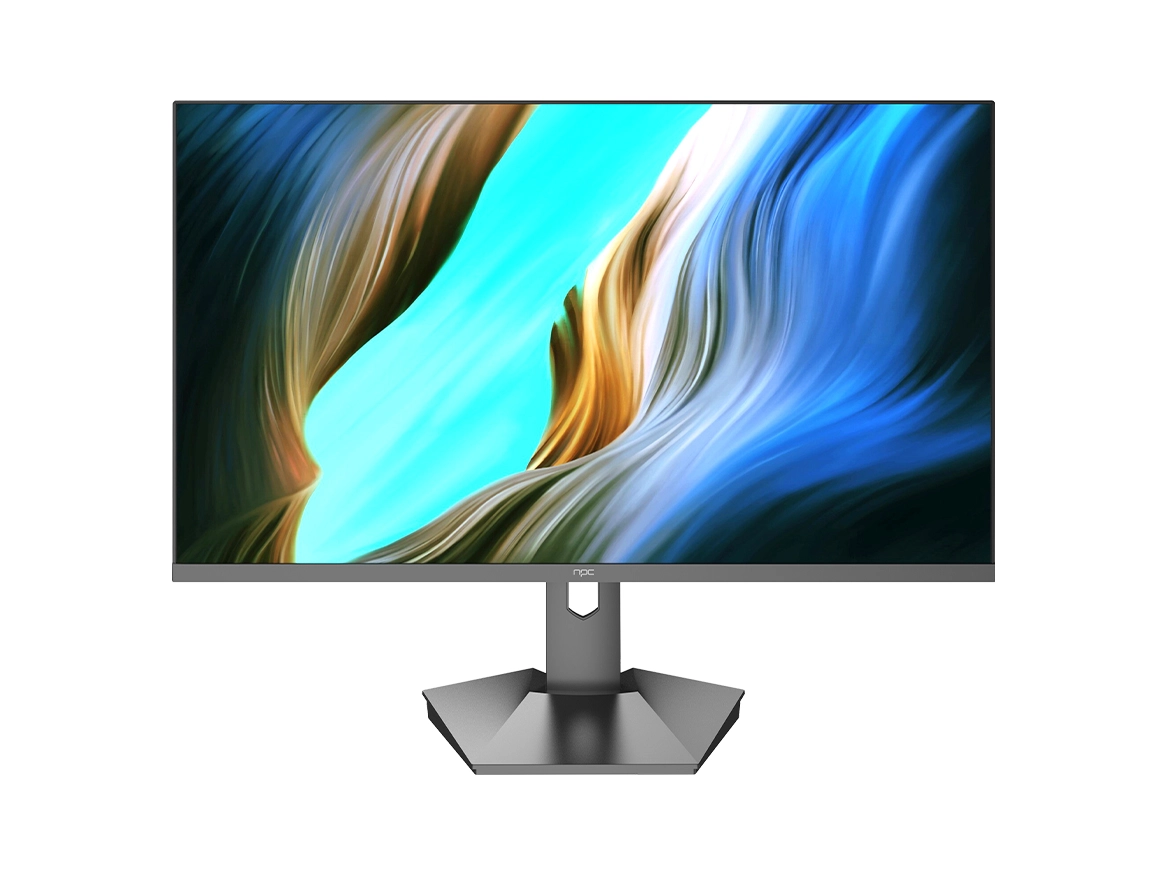
webOS, pioneered by LG, emphasizes a smooth, intuitive experience with a focus on entertainment, as seen in NPC's MF2712-K smart monitor. Its webOS Hub provides direct access to cloud gaming and popular platforms like Disney+ and Spotify, reducing the need for external devices through wireless connectivity. The interface uses a simple launcher bar for easy navigation, which minimizes learning curves and enhances usability for a smart TV monitor wireless in home or office settings. With features like "Play all cloud games," webOS supports wireless streaming with low latency, especially when paired with high refresh rates—such as the 120Hz on the NPC MF2712-K. For wholesalers, a smart TV monitor wireless with webOS offers reliability and broad appeal, as its streamlined design aligns with plug-and-play expectations.
Tizen: Stability and Efficient Performance
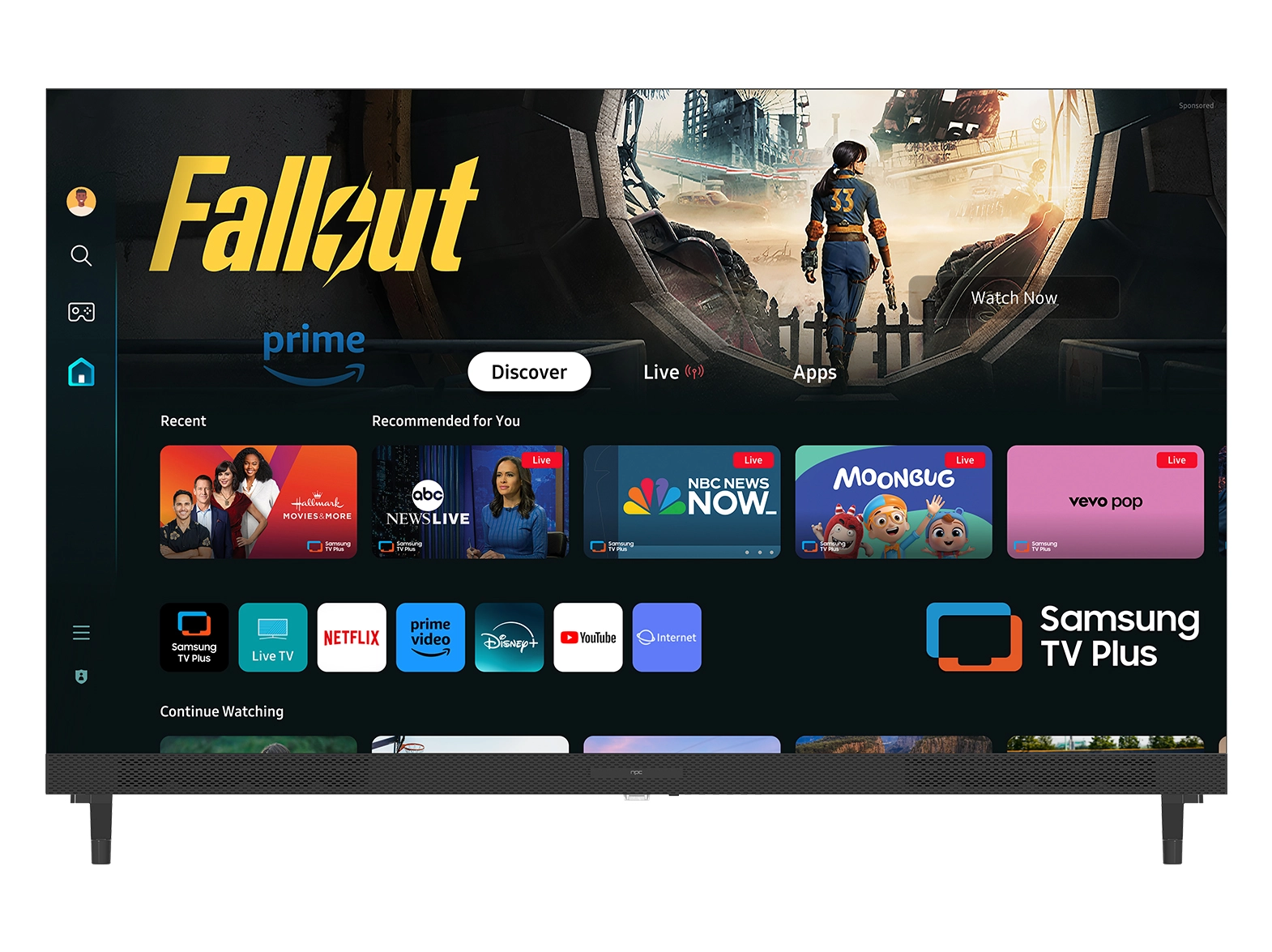
Tizen, developed by Samsung, is known for its stability and efficient performance, making it a strong contender for a smart TV monitor wireless that prioritizes reliability over extensive customization. This OS features a unified Smart Hub that aggregates content from various sources, providing a cohesive experience with minimal lag. Tizen supports key apps and wireless features like screen mirroring from mobile devices, but its app selection is more curated compared to Android TV, which can limit niche options. Its energy-efficient operation suits always-on displays, appealing to businesses focused on durability. When considering a smart TV monitor wireless, Tizen balances performance and ease of use, though it may not match the app depth of competitors, making it ideal for users valuing consistency.
In summary, the best OS for a smart TV monitor wireless depends on target audience needs: Android TV for customization, webOS for user-friendly entertainment, and Tizen for stable performance. We at NPC integrate these insights into our product designs, such as the MF2712-K smart monitor with webOS, which combines a 120Hz refresh rate and wide color gamut for versatile wireless use. For wholesalers, traders, and OEMs, NPC offers smart TV monitor wireless solutions that align with market trends, ensuring end-users benefit from optimized OS choices. By providing displays that balance functionality and reliability, we help businesses cater to evolving demands in the smart monitor space.


