






Using ICC profiles effectively is a cornerstone of color management for creative professionals who rely on accurate visual output. We at NPC recognize that for designers, photographers, and video editors, consistent color reproduction across devices is non-negotiable, and a high-quality designer monitor plays a pivotal role in this process. ICC (International Color Consortium) profiles act as digital translators that ensure colors appear as intended, bridging gaps between devices like monitors, printers, and cameras. This guide will walk through the essentials of ICC profiles, their setup, and why they are indispensable when working with a precision-driven designer monitor. By mastering these steps, creative professionals can minimize discrepancies and enhance workflow efficiency, which is crucial for businesses supplying tools to this demanding market.
What Are ICC Profiles and How Do They Work?
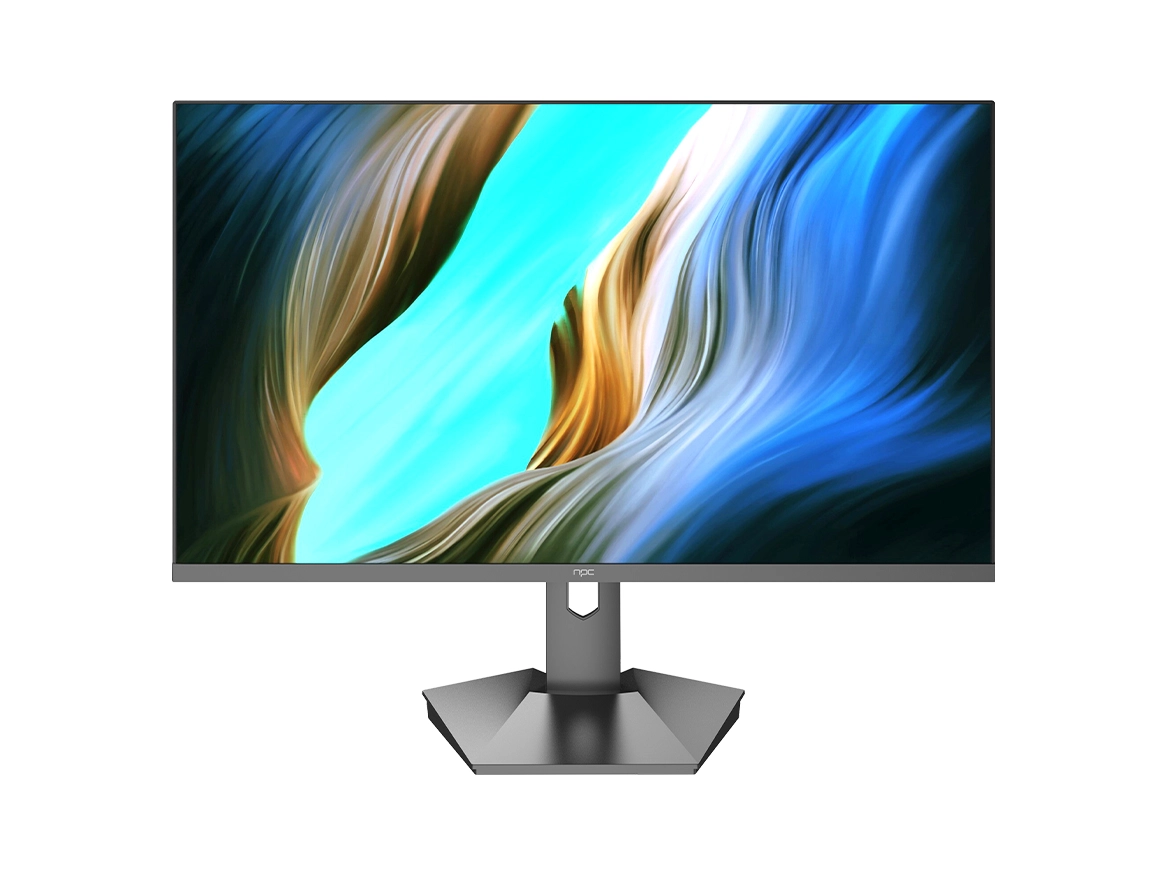
ICC profiles are standardized files that describe the color characteristics of a device, such as its gamut and behavior, allowing for consistent color interpretation across different hardware. When a designer monitor is calibrated with an ICC profile, it communicates how colors should be displayed based on the profile's data, ensuring that reds, blues, and greens match the original source. This is particularly vital for collaborative projects where multiple stakeholders view content on various screens; without ICC profiles, a logo designed on one monitor might look drastically different on another. For instance, a designer monitor with wide color gamuts, like the NPC MU3207-K that covers 97% sRGB and DCI-P3, provides a solid foundation for ICC profiles to operate effectively. By embedding these profiles into the workflow, creative teams can trust that their visual assets maintain integrity from conception to delivery, reducing costly revisions and client dissatisfaction.
The Importance of ICC Profiles for Color-Accurate Workflows
Incorporating ICC profiles into daily practice is essential for maintaining color accuracy, which directly impacts the quality of final products in fields like branding, publishing, and digital media. A reliable designer monitor that supports ICC profiling helps prevent issues such as color shifting or banding, which can undermine professional credibility. For example, in print design, an ICC profile tailored to a specific printer ensures that what appears on the designer monitor matches the physical output, avoiding surprises during production. This level of precision is why many studios insist on using certified designer monitors that come with pre-loaded or customizable ICC profiles. The NPC MU3207-K, with its Ultra HD resolution and IPS technology, offers the stability needed for profile adherence, as its consistent color performance minimizes drift over time. For wholesalers and OEMs, emphasizing ICC compatibility in a designer monitor can differentiate products in a competitive landscape, appealing to clients who prioritize accuracy and reliability.
Step-by-Step Guide to Setting Up ICC Profiles
Setting up ICC profiles correctly involves a few key steps that creative professionals should follow to maximize their designer monitor's potential. First, calibrate the monitor using a hardware calibrator, which measures display output and generates a custom ICC profile based on current conditions like ambient light. Next, install the profile into the operating system—on Windows, this is done through the Color Management settings, while macOS users access it via System Preferences. Once applied, ensure that creative software like Adobe Photoshop or Illustrator is configured to use the monitor's ICC profile for soft-proofing or color settings. It's also wise to periodically recalibrate the designer monitor, as panels can degrade with use; a model like the NPC MU3207-K, with its robust IPS construction, holds calibration longer, but regular checks maintain fidelity. By integrating these practices, businesses can advise their clients on maintaining a color-managed environment, where the designer monitor serves as a trustworthy reference point throughout the creative process.
In summary, ICC profiles are fundamental tools for achieving color consistency, and their proper setup elevates the capabilities of any creative workspace. We at NPC design our monitors with these needs in mind, ensuring that products like the MU3207-K designer monitor support seamless integration into color-critical workflows. With features such as 97% sRGB and DCI-P3 color gamuts, 4K resolution, and HDR10 compatibility, this designer monitor provides the accuracy and detail required for professional applications. For wholesalers, traders, and OEMs serving the creative industry, NPC offers a range of displays that combine advanced color technology with user-friendly features, helping end-clients produce their best work. By prioritizing ICC profile support, our designer monitors empower creative professionals to work with confidence, knowing that their colors will remain true from screen to final output.


