






High Dynamic Range (HDR) technology has become a cornerstone of modern video production, enabling editors to work with a broader spectrum of brightness and colors for more lifelike visuals. This advancement demands specific capabilities from displays used in post-production environments. For businesses supplying gear to creative professionals, understanding the monitor specifications that support HDR workflows is essential to meet industry standards. A reliable professional editing monitor must excel in areas like peak brightness, color gamut, and contrast ratio to handle HDR content effectively. We will outline the critical requirements for HDR-compatible monitors and how they enhance the editing process for video teams.
The Fundamentals of HDR in Video Editing
HDR expands the dynamic range of video content, allowing for greater detail in both shadows and highlights compared to Standard Dynamic Range (SDR). This means editors can see nuances that would be lost on SDR displays, such as subtle gradients in sky scenes or intricate textures in dark environments. However, to leverage HDR, a professional editing monitor must support HDR standards like HDR10, which defines metadata for brightness and color parameters. Without a monitor that accurately renders these elements, editors risk making incorrect color grading decisions, leading to inconsistencies in the final output. Therefore, investing in a professional editing monitor with genuine HDR capability is not optional for studios working on high-end projects; it is a necessity for maintaining quality across platforms from streaming services to broadcast television.
Essential Specifications for HDR-Compatible Monitors
Several technical specifications determine whether a monitor can truly support HDR workflows. First, peak brightness measured in nits (cd/m²) is crucial; for example, a minimum of 350 nits is often required for HDR10, though higher values like 1000 nits are ideal for more demanding formats. This ensures that bright scenes appear vivid without clipping details. Second, a wide color gamut such as DCI-P3 is vital, as HDR content utilizes a broader palette than sRGB. Monitors covering 90% or more of DCI-P3 ensure colors remain accurate and vibrant. Additionally, features like 4K UHD resolution provide the pixel density needed for precise editing, while an IPS panel offers consistent viewing angles. A professional editing monitor combining these specs allows editors to work confidently, knowing their adjustments will translate correctly to HDR displays used by audiences.
Integrating HDR Monitors into Editing Workflows
Adopting HDR goes beyond just having a compatible monitor; it requires integrating the display into a color-managed workflow. Editors need to calibrate their professional editing monitor regularly to maintain accuracy, using hardware calibrators to align with standards like Rec. 2020 or DCI-P3. Software tools within editing applications like DaVinci Resolve or Adobe Premiere Pro can then leverage HDR metadata for previews. Moreover, a monitor with multiple inputs like DisplayPort and HDMI facilitates connections to various sources, such as cameras or grading consoles. By embedding a capable professional editing monitor into the pipeline, studios can streamline HDR projects, reduce revision cycles, and deliver content that meets client expectations for dynamic range and color fidelity.
While high dynamic range (HDR) procedures greatly improve video quality, they are very monitor dependent. To get reliable results, you can't skimp on important features like resolution, color gamut, and brightness. Video professionals can be better equipped with tools that boost creativity and productivity if firms prioritize these aspects.
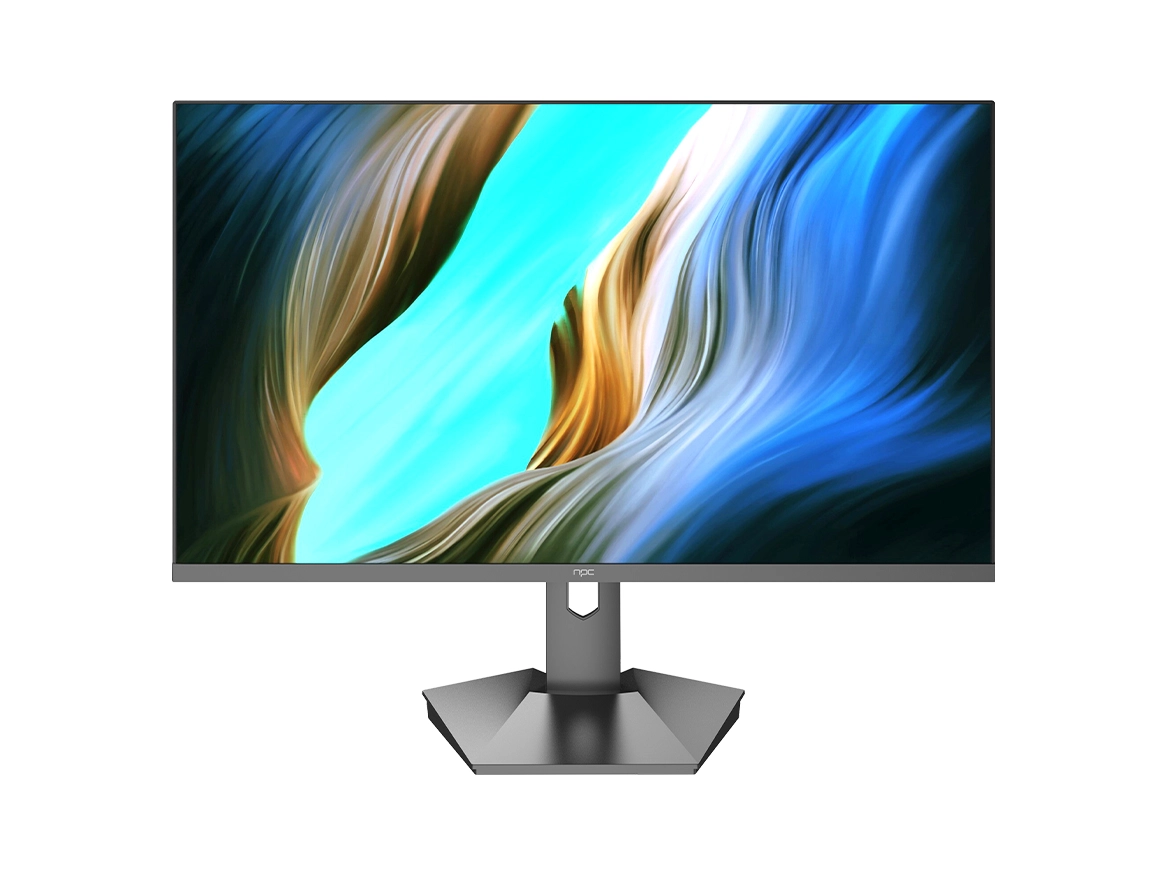
Among NPC's many offerings are solutions tailored to the specific needs of the business-to-business industry, as well as displays that can withstand the rigors of video production. With its HDR10 compatibility, 350 cd/m² peak brightness, and DCI-P3 color gamut, our NPC MU270A 27-inch 4K UHD monitor is designed for HDR workflows, allowing for precise HDR editing. This ultra-thin monitor has an IPS panel, so it's perfect for professional editing because of how clear and accurate the colors are. To help distributors of video equipment meet the demands of editors seeking HDR-ready gear for producing high-quality material, NPC offers dependable devices that are in line with industry trends.


