






Sync technologies are critical components that define the smoothness and visual fidelity of gaming displays, directly impacting the value proposition of gaming monitor deals. For wholesalers, traders, and OEMs sourcing equipment for the gaming market, grasping the differences between G-Sync, FreeSync, and V-Sync is essential for advising clients on optimal choices. These technologies address screen tearing and stuttering by synchronizing the monitor's refresh rate with the graphics card's output, enhancing gameplay immersion. We at NPC recognize that informed decisions about gaming monitor deals rely on a clear understanding of these options, as they influence performance, compatibility, and cost-effectiveness. This explanation will delve into each technology, highlighting their pros and cons to help you identify the best fit for various gaming setups, ensuring that your gaming monitor deals meet the demands of competitive players and enthusiasts alike.
G-Sync: NVIDIA's Proprietary Synchronization Solution
G-Sync is NVIDIA's hardware-based technology that requires a dedicated module within the monitor to dynamically adjust the refresh rate, eliminating screen tearing and minimizing input lag. This results in a seamless gaming experience, particularly in fast-paced titles where precision is key. However, G-Sync monitors often come at a higher price point due to the proprietary components, which can affect the affordability of gaming monitor deals targeting budget-conscious buyers. For businesses catering to high-end gaming markets, G-Sync offers a premium selling point, but it may limit flexibility for those seeking broader accessibility. When evaluating gaming monitor deals, it's important to consider that G-Sync compatibility is tied to NVIDIA GPUs, which influences the target audience. At NPC, we focus on delivering versatile options that accommodate various needs, though our current offerings emphasize adaptive sync features that align with industry standards without the premium cost.
FreeSync: AMD's Open Standard for Adaptive Sync
FreeSync, developed by AMD, is an adaptive sync technology that uses the DisplayPort or HDMI interface to synchronize refresh rates without requiring additional hardware, making it more cost-effective than G-Sync. This openness allows monitor manufacturers to integrate FreeSync at a lower cost, resulting in more gaming monitor deals that appeal to a wider range of consumers. FreeSync reduces tearing and stuttering effectively, especially when paired with AMD graphics cards, though it also works with some NVIDIA GPUs through driver support. The technology's versatility makes it a popular choice for gaming monitor deals aimed at mid-range budgets, as it balances performance and affordability. For instance, high refresh rates like the 165Hz found in our NPC-MQ2729-K model complement FreeSync by providing smooth visuals, enhancing the appeal of such gaming monitor deals for traders looking to stock competitive products.
V-Sync: The Software-Based Traditional Approach
V-Sync, or vertical sync, is a software-level technology that prevents screen tearing by capping the game's frame rate to match the monitor's fixed refresh rate. While it is a basic, widely supported option that comes at no extra cost, V-Sync can introduce input lag and stuttering if the frame rate drops below the refresh rate, potentially hindering gameplay responsiveness. This makes it less ideal for modern gaming compared to adaptive sync technologies, but it remains a relevant feature in entry-level gaming monitor deals where cost is paramount. For wholesalers serving markets with budget constraints, V-Sync can be a simple inclusion, but highlighting its limitations helps clients make informed choices. In contrast, adaptive sync technologies like those supported by our NPC monitors offer superior performance, demonstrating how gaming monitor deals can evolve to meet higher standards without significant price increases.
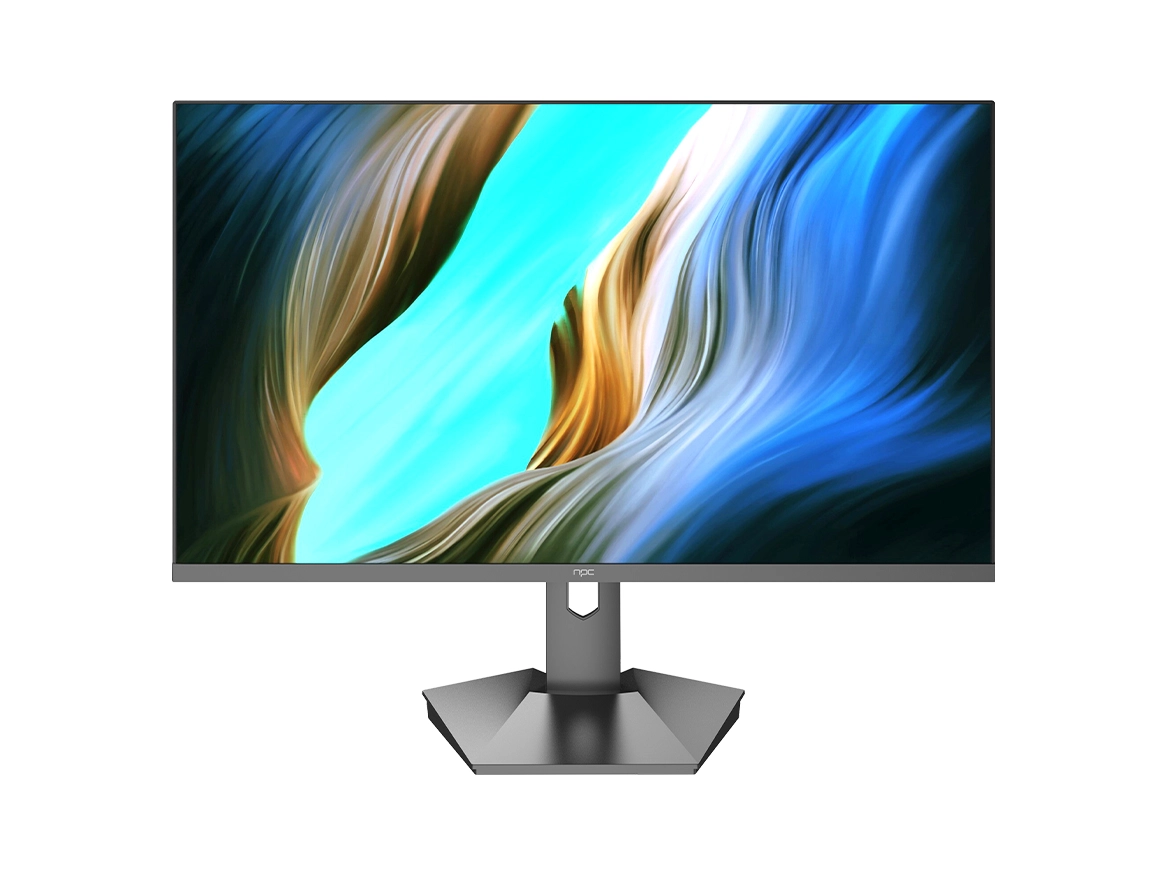
In order to create gaming monitor offers that appeal to a wide range of customers, it is necessary to consider aspects such as performance, price, and compatibility while deciding between G-Sync, FreeSync, and V-Sync. While V-Sync is great for newcomers, FreeSync is more balanced and suitable for more mainstream audiences, and G-Sync is more suited to luxury markets. Businesses may stand out in a crowded marketplace by highlighting the advantages of adaptive sync. As demonstrated by the NPC-MQ2729-K, we at NPC build our monitors to accommodate such innovations. Adaptive sync technologies can be used with this 27-inch VA panel monitor's 2560 x 1440 resolution, 165 Hz refresh rate, and DP and HDMI connectors to provide tear-free gaming. Through the integration of these characteristics, we guarantee that our gaming monitor deals provide wholesalers and OEMs great value. With our assistance, you can produce dependable, high-performance displays that improve gaming experiences everywhere.


