






Selecting the optimal monitor configuration is a key decision for professionals designing effective home offices. The choice between a dual monitor arrangement and an ultra-wide screen impacts workflow, productivity, and comfort. At NPC, we recognize that wholesalers and traders need to understand these setups to advise their clients accurately. This analysis will explore the distinct advantages of each option, helping you determine the best fit for various work styles. Central to this discussion is the role of a high-quality home office screen in building a productive environment, and we will examine how NPC's solutions meet these demands.
The Practical Benefits of a Dual Monitor Setup
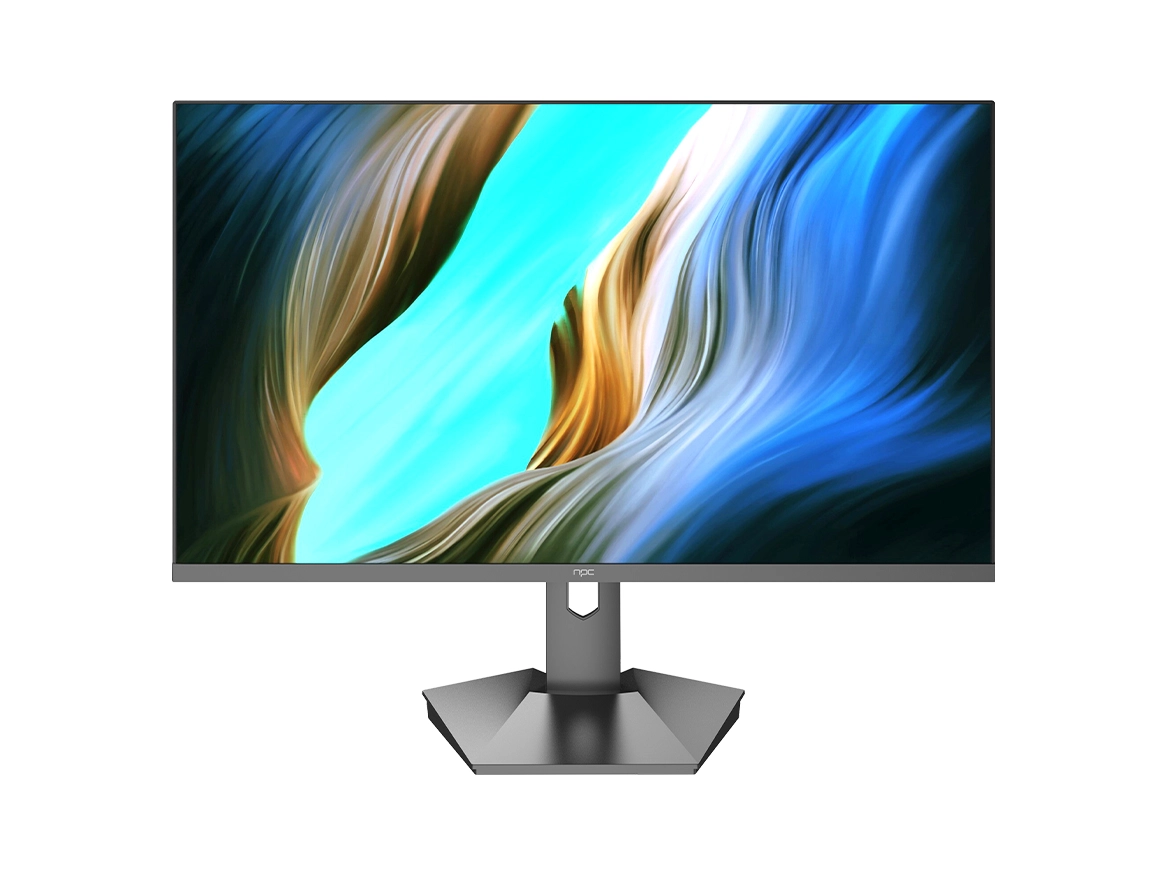
A dual monitor configuration remains a popular choice for many home offices due to its flexibility and cost-effectiveness. With two separate displays, users can dedicate each home office screen to specific tasks, such as having email open on one while working on a document across the other. This physical separation reduces the need for constant window switching and can significantly enhance multitasking efficiency. For businesses supplying office equipment, dual setups are appealing because they often utilize standard-sized monitors, which are easier to source and inventory. The NPC MF240B-V, for instance, is an ideal candidate for such a configuration. Its 24-inch Full HD IPS panel, ultra-thin design, and VESA compatibility make it simple to mount in pairs, creating a seamless dual home office screen system that maximizes workspace without compromising on performance.
The Integrated Experience of an Ultra-Wide Monitor
On the other hand, an ultra-wide monitor offers a unified, bezel-free viewing area that mimics the expanse of two screens merged into one. This setup provides an immersive experience for tasks that benefit from horizontal space, like video editing, financial trading, or coding. The lack of a physical gap between displays means no distraction from bezels, allowing for smoother drag-and-drop actions across applications. However, this option often comes at a higher initial cost and requires more desk real estate. When considering an ultra-wide home office screen, it is important to evaluate the user's specific workflow needs. While NPC focuses on providing versatile standard monitors that excel in dual arrangements, the principles of clarity and comfort—such as the 75Hz refresh rate and wide color gamut found in our products—are equally vital for any high-end display solution.
Key Factors in Selecting the Right Setup for Your Needs
The decision between dual and ultra-wide monitors hinges on several factors, including budget, desk space, and the nature of the work being performed. Dual setups offer scalability and are often more affordable to implement, especially when using reliable models like the NPC MF240B-V. Its mainstream VGA and HDMI interfaces ensure stable output and compatibility with a wide range of devices, making it a practical component for a dual home office screen system. Conversely, ultra-wide monitors suit users who prefer a minimalist setup with fewer cables. Regardless of the choice, features like eye care are non-negotiable for long work hours. NPC integrates blue light filtering and flicker-free technology into our monitors to reduce eye strain, ensuring that every home office screen supports user well-being alongside productivity.
Both dual and ultra-wide monitor configurations have distinct merits, and the ideal choice depends on the end-user's specific requirements. For wholesalers and OEM partners, offering versatile products that adapt to these setups is crucial. At NPC, we engineer our monitors with this flexibility in mind. The MF240B-V model, with its 97% DCI-P3 color gamut, ultra-thin profile, and ergonomic features, exemplifies our commitment to providing high-performance displays that serve as the foundation for efficient home offices. By understanding these setup dynamics, you can better guide your clients toward solutions that enhance their work experience, backed by the reliability of NPC home office screen technology.


