






Let's consider the modern office environment. For countless professionals, the workday is synonymous with long hours spent in front of a computer monitor. This reliance on screens has brought a common issue to the forefront: digital eye strain, often caused by prolonged exposure to blue light. For businesses sourcing equipment, selecting the appropriate computer monitor office setups is no longer just about performance; it's about investing in employee well-being. This article examines the factors behind eye strain and how specific monitor technologies can offer a solution.
The Blue Light Factor in Workplace Fatigue
Blue light is a high-energy visible light emitted by digital screens. While not inherently bad, sustained exposure, especially during an eight-hour workday, can lead to significant discomfort. Symptoms often include dry eyes, headaches, and blurred vision, which can collectively diminish productivity. The key for a business is to provide tools that mitigate this risk. This is where an office monitor with built-in eye-care functions becomes a valuable asset. By integrating features designed to filter harmful blue light emissions without distorting color accuracy, these monitors directly address a primary source of computer monitor office-related health concerns. It's a fundamental step toward creating a more comfortable workspace.
Ergonomics and Visual Clarity for Daily Tasks
Beyond blue light, the physical design and clarity of a computer monitor office unit are critical. A blurry image or a screen with poor contrast forces the eyes to work harder, accelerating fatigue. A Full HD 1920x1080 resolution ensures that text and graphics are sharp and defined, reducing the strain of focusing for extended periods. Furthermore, ergonomic design plays a vital role. A monitor that only offers tilt adjustment, for example, allows a user to find the optimal viewing angle, preventing neck and shoulder pain. A borderless design is another benefit, minimizing distractions and creating a seamless multi-monitor setup that enhances workflow efficiency. These features combine to make the daily interaction with a computer monitor office screen a more natural and less taxing experience.
The Advantage of a Smoother Visual Experience
Another technical aspect that influences eye comfort is the refresh rate. A standard computer monitor office model often operates at 60Hz, which can be sufficient for basic tasks. However, a higher refresh rate, such as 100Hz, provides a noticeably smoother visual flow. When scrolling through documents, navigating large spreadsheets, or simply moving the cursor across the screen, the motion appears more fluid and less jerky. This reduction in motion blur contributes to a more comfortable viewing experience, helping users stay focused and reducing the strain associated with tracking moving objects on screen. It's a specification that significantly upgrades the quality of the computer monitor office interface.
Choosing the right office equipment is a strategic decision that impacts both employee health and operational efficiency. By prioritizing monitors that address blue light emission, offer ergonomic flexibility, and provide superior visual smoothness, businesses can make a direct investment in their team's comfort and productivity.
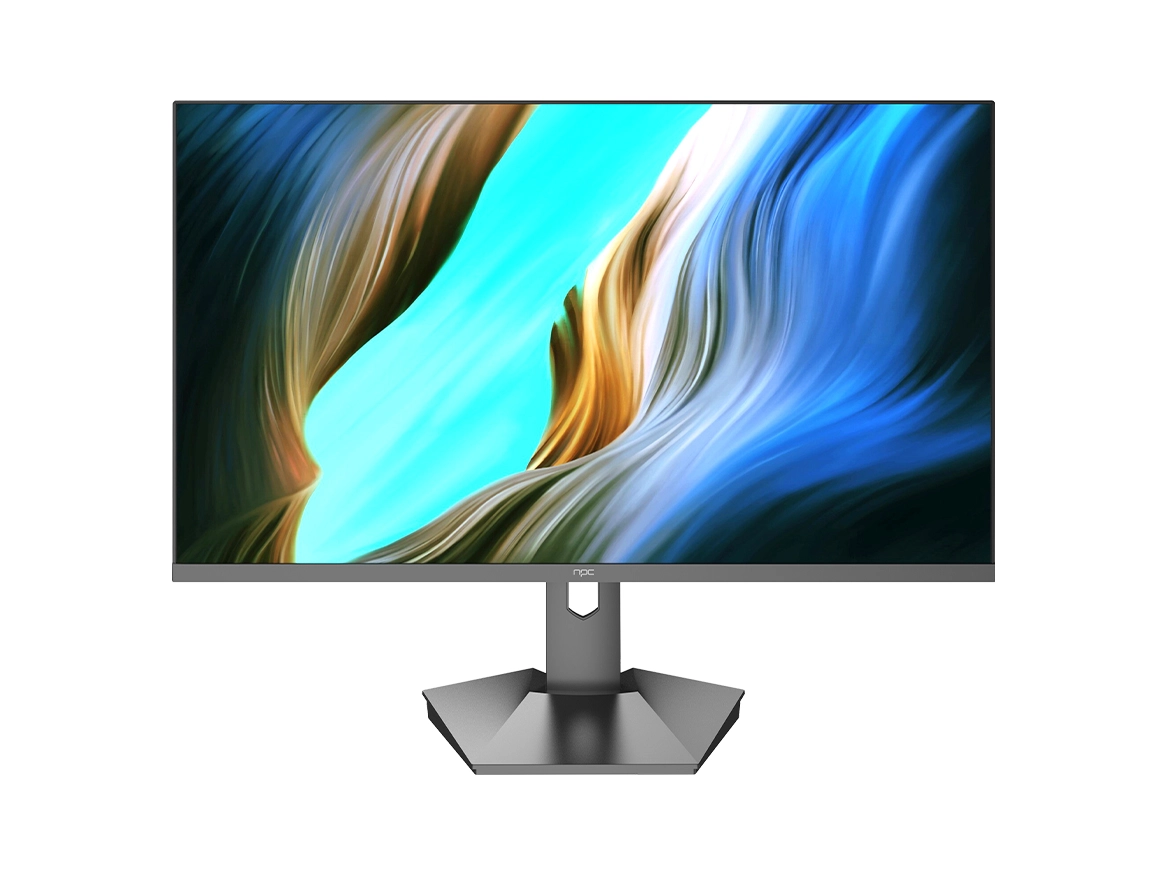
At NPC, we specialize in designing displays that meet the precise demands of the modern workplace. Our focus is on creating reliable hardware for wholesalers, traders, and OEM partners serving the B2B market. A product like our NPC MF2408-U 23.8-inch office monitor exemplifies this approach. It incorporates the essential features discussed: an FHD 100Hz panel for a smooth and responsive experience, built-in eye-care technology to reduce blue light impact, and ergonomic tilt adjustment within a borderless design. For distributors looking to supply a computer monitor office solution that balances performance with well-being, NPC provides the products and support to build a compelling portfolio.


