




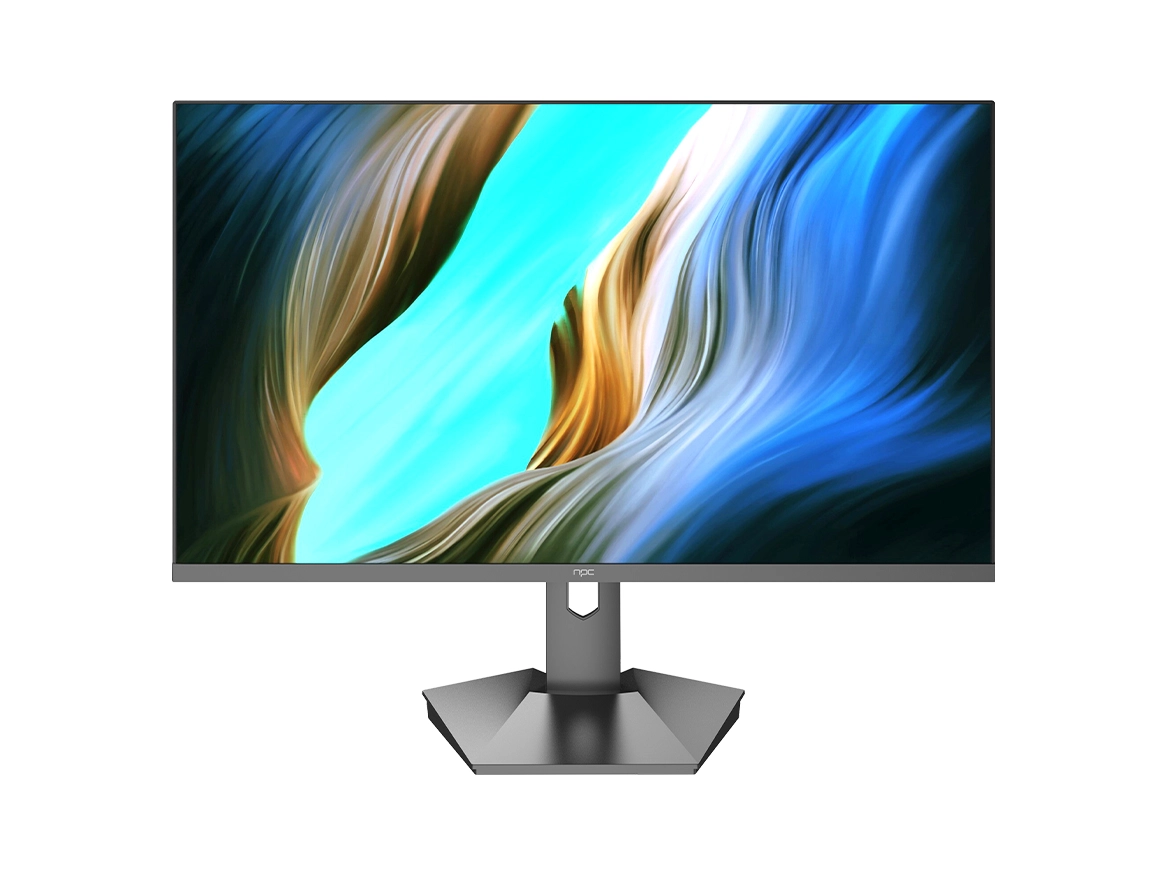


Overclocking your monitor can boost refresh rates and improve responsiveness, but it must be done safely to avoid potential damage. In this article, we’ll guide you through the process of safely overclocking your FHD gaming monitor so you can provide your customers with the best possible advice.
Understanding Overclocking and Its Benefits
Overclocking involves increasing the refresh rate of your FHD gaming monitor beyond its factory settings. The primary benefit of overclocking is a smoother visual experience during gaming. Higher refresh rates reduce motion blur and enhance responsiveness, giving gamers a competitive edge. At NPC, our FHD gaming monitors are designed to support varying refresh rates, making them ideal candidates for overclocking. However, it is essential to understand that not all monitors are built for this purpose, so ensure you are working with quality products that can handle the increased demand.
Step-by-Step Process for Safe Overclocking
To safely overclock your FHD gaming monitor, follow these steps:
1. Research Your Monitor’s Capabilities: Check the specifications of your FHD gaming monitor to determine its maximum refresh rate. Our NPC monitors come with detailed documentation, allowing users to understand their limits.
2. Use Reliable Software: Utilize software tools such as Display Driver Uninstaller (DDU) or MSI Afterburner, which allow users to adjust refresh rates easily. These programs will also let you monitor GPU temperatures, ensuring your system stays within safe operating parameters.
3. Incremental Adjustments: Gradually increase the refresh rate in small increments (e.g., 5Hz at a time). After each adjustment, test for stability by running graphic-intensive applications or benchmarks. This step is crucial to ensure that your FHD gaming monitor functions correctly without artifacts or flickering.
4. Monitor Temperatures: While overclocking, it’s essential to keep an eye on the temperature of both your monitor and graphics card. Excessive heat can lead to hardware failure, so ensure that your setup has proper ventilation.
Testing and Reverting Changes
Once you've found a stable overclocking setting for your FHD gaming monitor, run extensive testing with various games and applications. If you notice instability or overheating, do not hesitate to revert to the original refresh rate. Remember, safety comes first. At NPC, we encourage you to offer this information to your customers when they inquire about maximizing their gaming setups.
Conclusion
We at NPC take great satisfaction in providing some of the greatest FHD gaming monitors on the market and in being at the forefront of gaming technology. We enable our partners to help their clients obtain an increased gaming experience while minimising dangers by knowing how to securely overclock monitors.


