






Our mission at NPC is to supply professionals and gamers with the best display technology available. With our expertise in high-definition monitors, we understand that factors like pixel density and resolution can significantly impact user experience. In the world of gaming, particularly for those seeking a 240 fps gaming monitor, it's vital to grasp the differences between pixel density (PPI) and resolution, as both play crucial roles in delivering outstanding visuals. This article will outline these differences and highlight the importance of both metrics for wholesalers and their clients.
Understanding Resolution
Resolution refers to the number of pixels displayed on a screen, usually represented as width x height (e.g., 1920x1080). The more pixels a monitor has, the sharper and clearer the images will appear, especially when displaying high-definition content. A higher resolution allows for more detail, making it essential for gaming, graphic design, and any task requiring precision.
For gamers, monitoring resolution can be critical. In high-action scenarios, such as racing or first-person shooters, a higher resolution can provide clearer visuals of distant objects and finer details, enabling players to react swiftly and accurately. However, simply having a higher resolution is not enough; it must be supported by adequate hardware capable of handling high refresh rates—especially in a 240 fps gaming monitor setup.
Exploring Pixel Density (PPI)
Pixel density, measured in pixels per inch (PPI), quantifies how many pixels fit into one inch of a display. While resolution indicates the total pixel count, PPI informs users about the sharpness of those pixels, which affects image quality directly. A high PPI means that pixels are closely packed, resulting in smoother lines and clearer text, whereas a low PPI may result in pixelation and blurred edges.
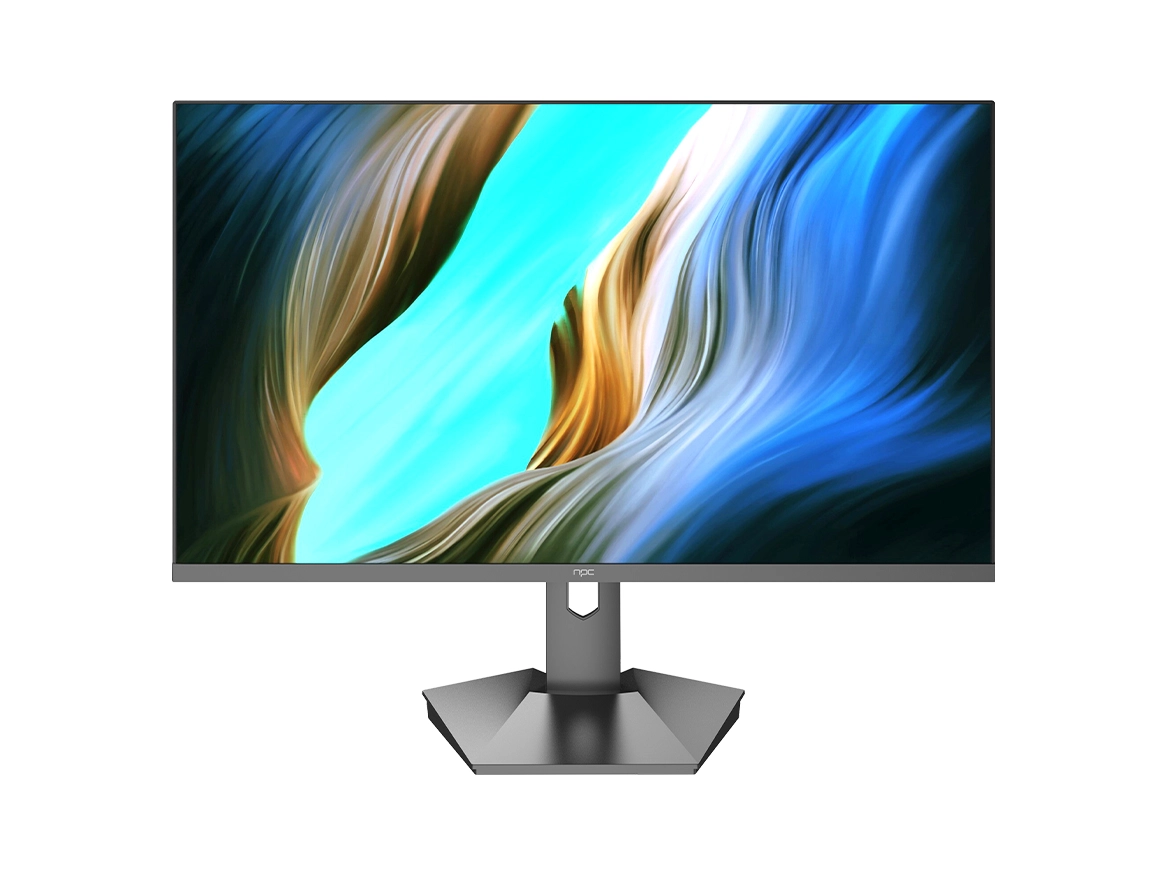
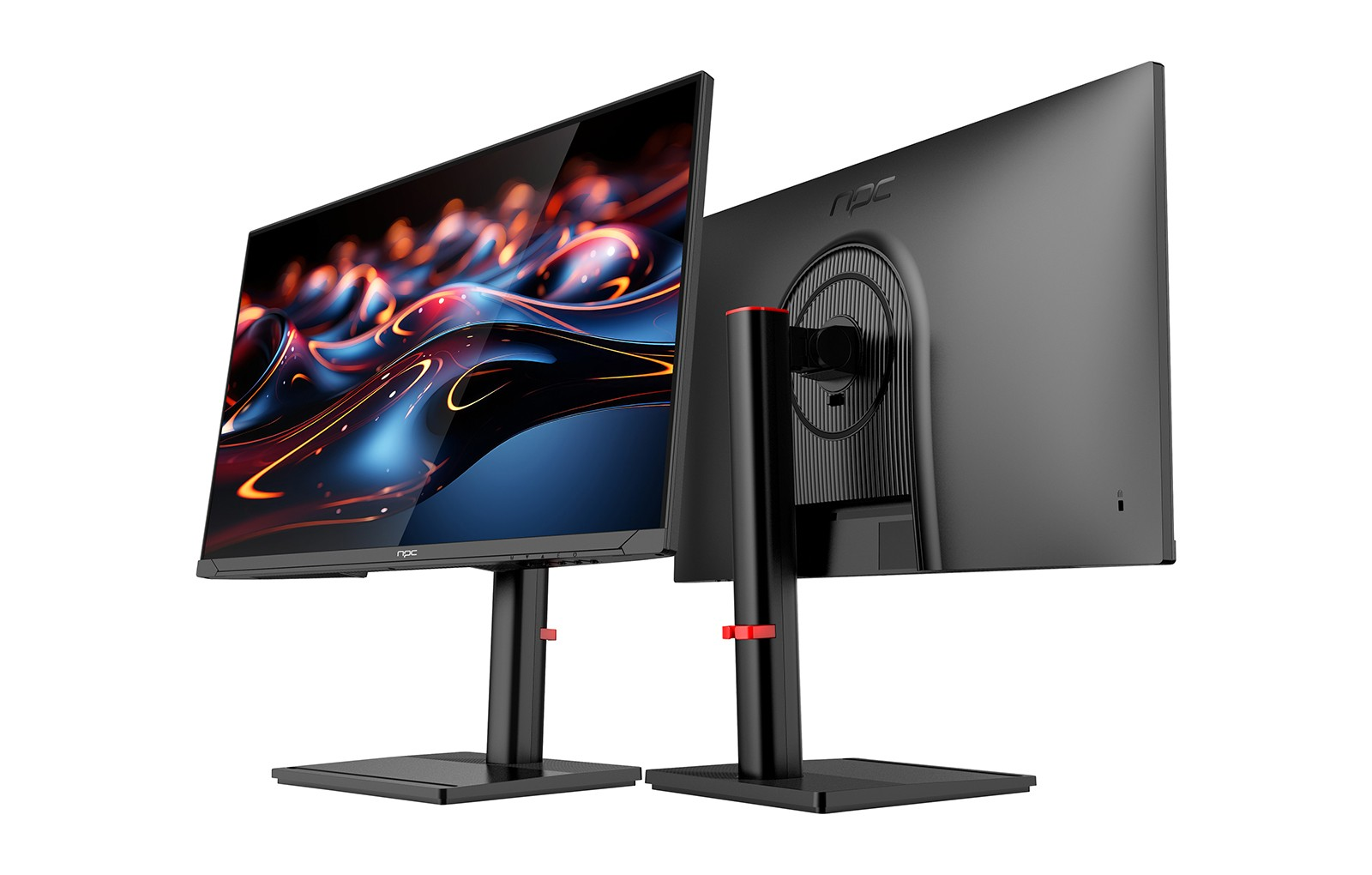
For example, consider a 240 fps gaming monitor like the NPC-WF2433-K4 240 Hz gaming monitor. Its 1920x1080 resolution on a 23.8" screen produces a specific PPI that ensures clarity and detail during fast-paced gaming sessions. Gamers benefit from rapid movements, as the monitor's low response time eliminates lag and offers a competitive edge in speed-critical game genres.
In conclusion, both pixel density and resolution are vital metrics that influence the quality of visuals on a monitor. For your clients seeking a 240 fps gaming monitor, understanding these differences will help them make informed decisions that enhance their gameplay. At NPC, our NPC-WF2433-K4 monitor is engineered to deliver exceptional performance with a perfect balance of resolution and pixel density, ensuring that every gamer enjoys a clear competitive edge. By offering high-quality products like ours, you can provide your customers with the ultimate gaming experience.


