




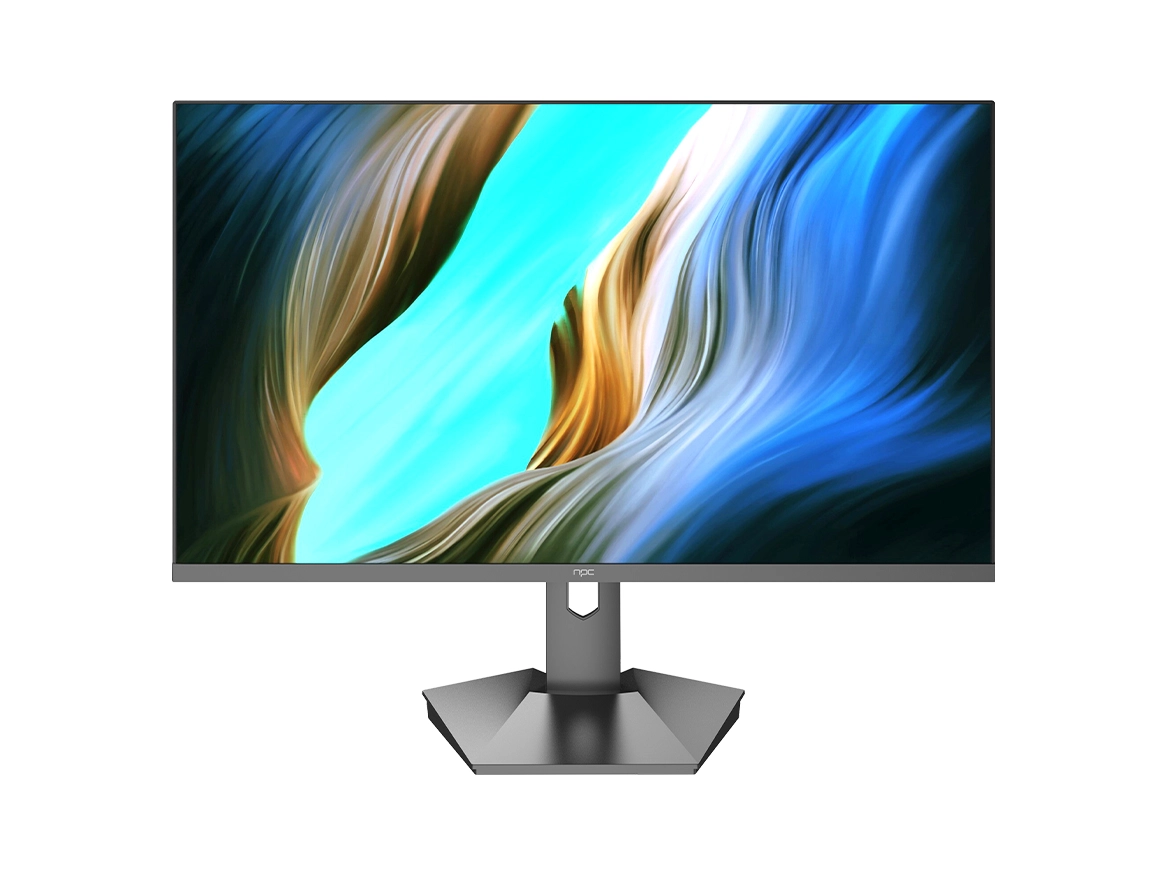


In the world of gaming monitors, understanding the differences in pixel counts between various resolutions is essential for making informed decisions about the visual quality and performance of your gaming setup. Let's explore the comparison between 1440p and 1080p, particularly in the context of an FHD gaming monitor.
Pixel Counts and Resolutions
1080p, also known as Full HD, has a resolution of 1920x1080 pixels. This means there are a total of 2,073,600 pixels on the screen. On the other hand, 1440p, also referred to as Quad HD or QHD, has a resolution of 2560x1440 pixels, resulting in a total of 3,686,400 pixels.
The significant difference in pixel count between the two resolutions has a direct impact on the visual details and clarity that can be displayed. With more pixels in 1440p, images and graphics can be rendered with greater precision and sharpness.
Visual Quality Differences
In gaming scenarios, the increased pixel density of 1440p compared to 1080p is immediately noticeable. Games played on a 1440p monitor exhibit finer textures, smoother edges, and more detailed environments. For example, in a role-playing game with richly detailed landscapes and character models, the extra pixels in 1440p allow for more realistic and immersive visuals.
Text and smaller details within the game, such as the numbers on a scoreboard or the fine print on in-game items, are easier to read and distinguish on a 1440p monitor. This can provide a competitive advantage in games where quick recognition of details is crucial.
Performance Implications
While 1440p offers superior visual quality, it also requires more processing power from the gaming system. The graphics card and CPU need to work harder to render the additional pixels. This can result in lower frame rates compared to gaming at 1080p on the same system, especially if the hardware is not powerful enough to handle the increased workload.
Gamers need to consider their gaming system's capabilities when choosing between 1080p and 1440p. If a high frame rate is more important than absolute visual fidelity, 1080p may be a better choice. However, for those with more powerful gaming rigs or those who prioritize the best visual experience possible, 1440p can be a worthwhile upgrade.
Conclusion
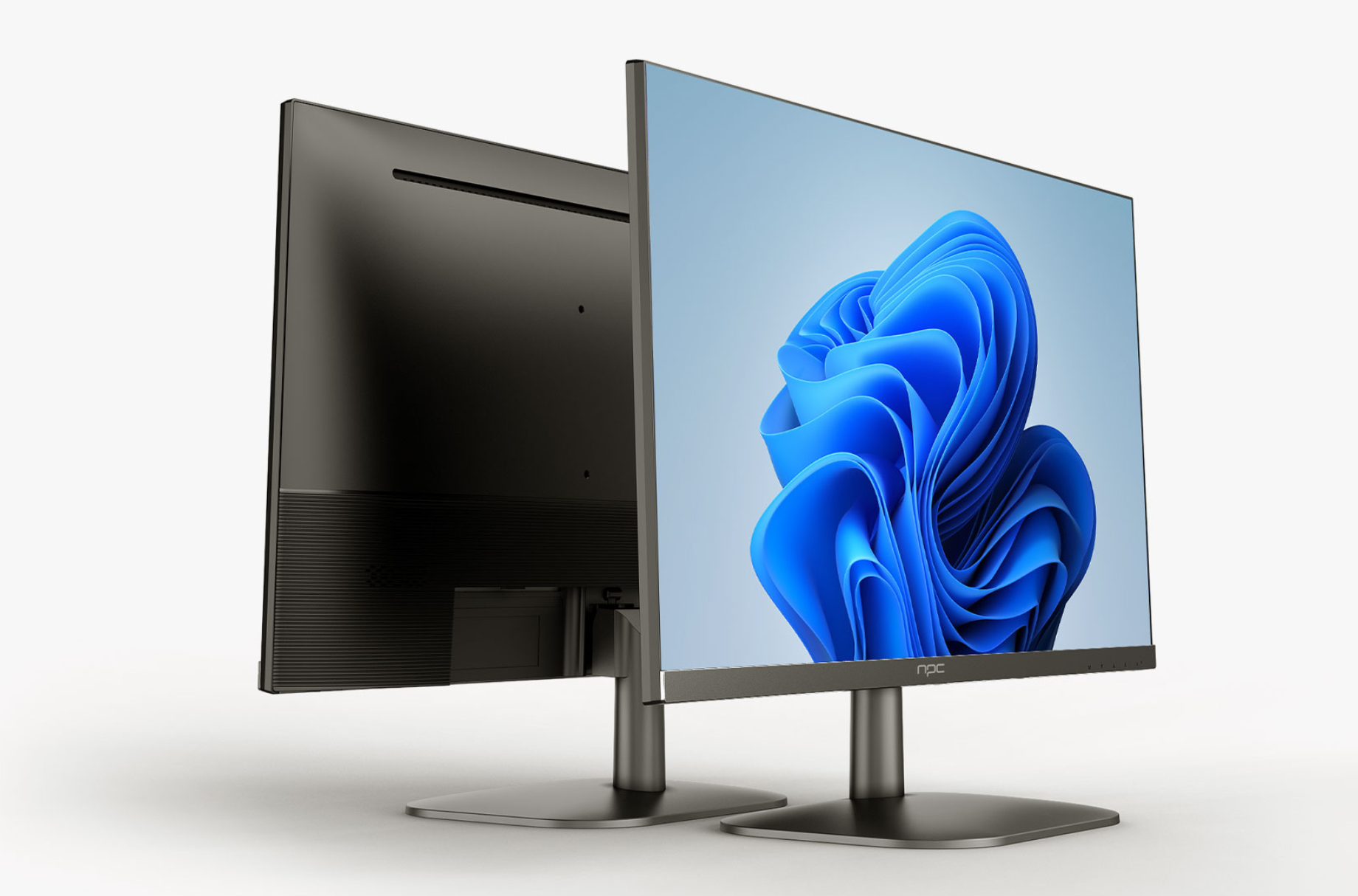
In conclusion, 1440p indeed boasts a substantial increase in pixels compared to 1080p, holding the potential to deliver a highly enhanced visual experience within the gaming realm. Nevertheless, it comes accompanied by trade-offs in the form of heightened system requirements and potential impacts on performance. Gamers and those in the market for an FHD gaming monitor from NPC should meticulously assess their priorities and the capabilities of their gaming systems when making the decision between these two resolutions.


